Over the past half-century of manned spaceflight, scientists have learned a lot about how the human body responds once freed from the confines of Earth’s gravity. Vertebrae drift farther apart, bones lose density, muscles atrophy, and fluids tend to migrate toward the head. But what about the brain?
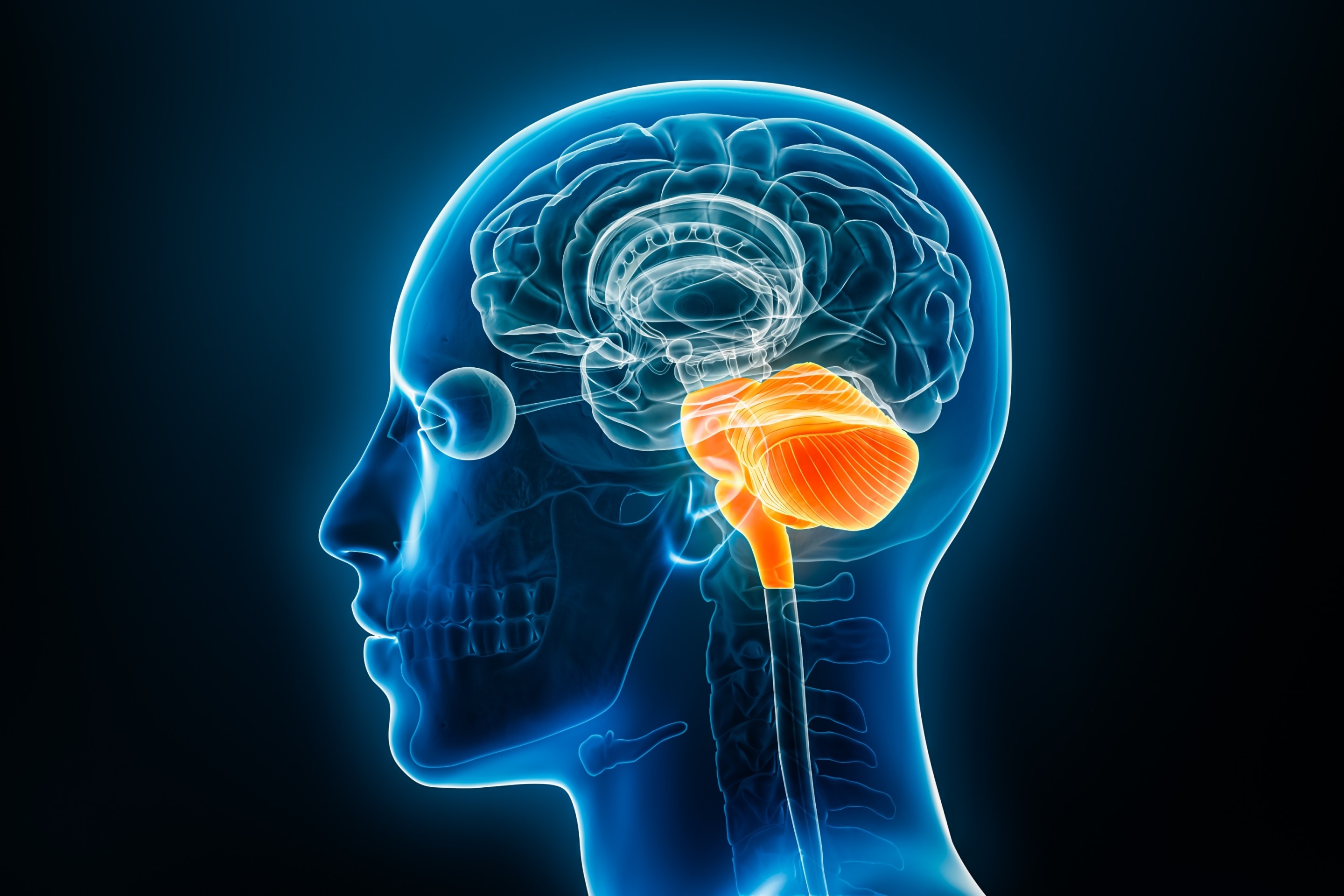
According to new research published today in PNAS, human brains actually move and change shape in space. Scientists came to that conclusion after studying MRIs conducted on 26 astronauts before and after spending time in microgravity. Overall, they found that astronaut brains shifted backward, upward, and rotated toward the back following spaceflight.
Read more: “The Martians Are Coming—and They’re Human”
Of course, detecting displacement of a gelatinous organ surrounded by fluid in microgravity might not seem like brain surgery (or rocket science). So, the scientists decided to go further, looking at changes in specific regions of the brain as well. In fact, that’s where things got interesting. They found that different areas of astronauts’ brains were displaced more than others, and sometimes in a different direction than the brain overall.
Interestingly, the specific regions with the largest displacements were those responsible for sensorimotor functions. In astronauts who spent more than a year in space, the supplementary motor cortex—that is, the part of the brain responsible for planning and coordinating movements—moved upward more than other brain regions.
Some of these changes affected astronauts’ abilities on Earth as well. Bigger movements in the posterior insula, which processes bodily sensations, were associated with greater declines in balance, post-flight. Thankfully, these changes weren’t permanent—astronauts’ brains recovered around six months after their feet were back on terra firma. 
Enjoying Nautilus? Subscribe to our free newsletter.
Lead image: Yta23 / Shutterstock