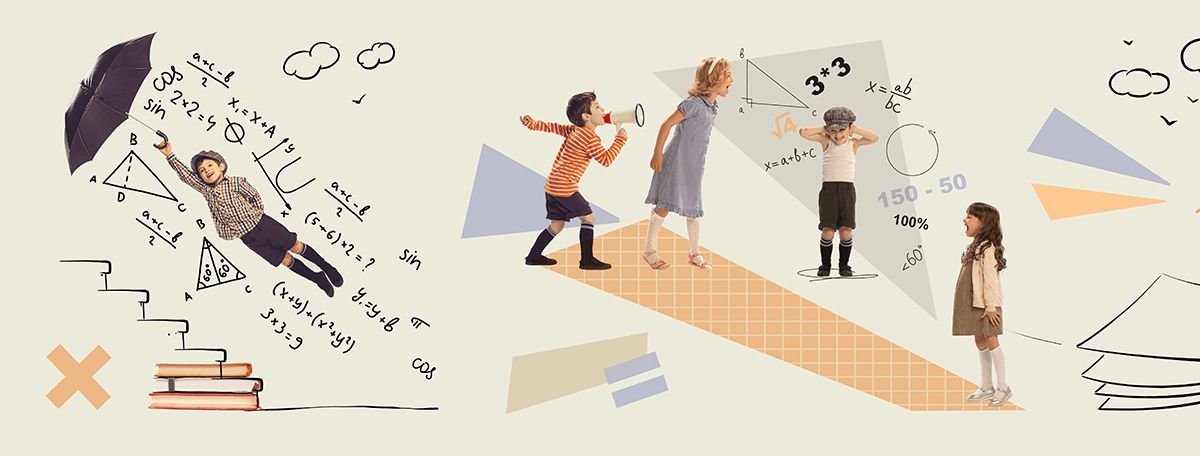
What were you like in third grade? A teacher’s pet, staying silently seated, soaking up knowledge? A rambunctious class clown who spent the school hours in and out of trouble? According to new research published in Developmental Psychology, how well you behaved during this critical period could predict your education level well into adulthood.
A team of United States psychologists arrived at that conclusion after studying data collected on a cohort of 747 children from a longitudinal study that tracked their progress from birth until age 26. Third graders who were more boisterous during the day displayed lower academic achievement later in life compared to their more obedient peers.
“Being in the classroom requires some degree of self-control. Children are expected to walk instead of run, keep their hands to themselves, and stay in their seats when the situation requires,” study author Andrew E. Koepp of New York University said in a statement. “Applying this self-control takes effort, and by the final ring of the school bell, children have been doing it for hours.”
Read more: “Cursive Handwriting and Other Education Myths”
According to the researchers, the third graders all tended to lose a bit of their impulse control as the school day dragged on, but those who were most successful at sitting still earned higher math and reading scores, and were 20 percent more likely to complete a four-year degree. Those who showed more spikes in their activity, as measured by accelerometers they wore for seven days as well as teacher assessments of disruptiveness, fared worse.
The findings suggest that, rather than being an innate personality trait, self-control is more like a resource that can be depleted and restored. “Our findings imply that, behaviorally speaking, most children tend to ‘lose it’ a bit by the end of the school day,” Koepp explained. “Interestingly, those who could ‘keep it together’ for longer tended to do better in school and were more likely to achieve educational success long-term.”
So what’s the solution? Touching grass.
“As a society, we should value activities like recess that could let children blow off some steam and potentially recover some of this self-control,” Koepp said. “It might even benefit their learning.”
Finally, a scientific case for shaking out the sillies. 
Enjoying Nautilus? Subscribe to our free newsletter.
Lead image: Lustre Art Group / Adobe Stock