Math
Computer Scientists Discover Limits of Major Research Algorithm
The most widely used technique for finding the largest or smallest values of a math function turns out to be a fundamentally difficult computational problem.


Pandemic Puts Mathematical Modeling Through Its Paces
Mathematical tools that proved essential during the pandemic were in many cases invented by mathematicians who had no particular goal in mind.
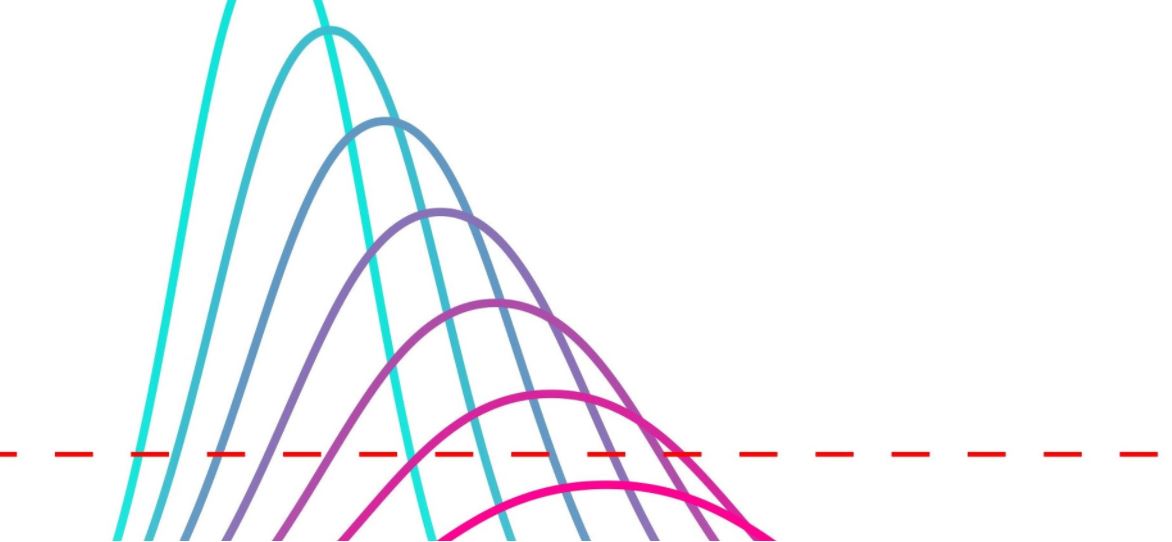
Mathematicians Answer Old Question About Odd Graphs
A pair of mathematicians solved a legendary question about the proportion of vertices in a graph with an odd number of connections.
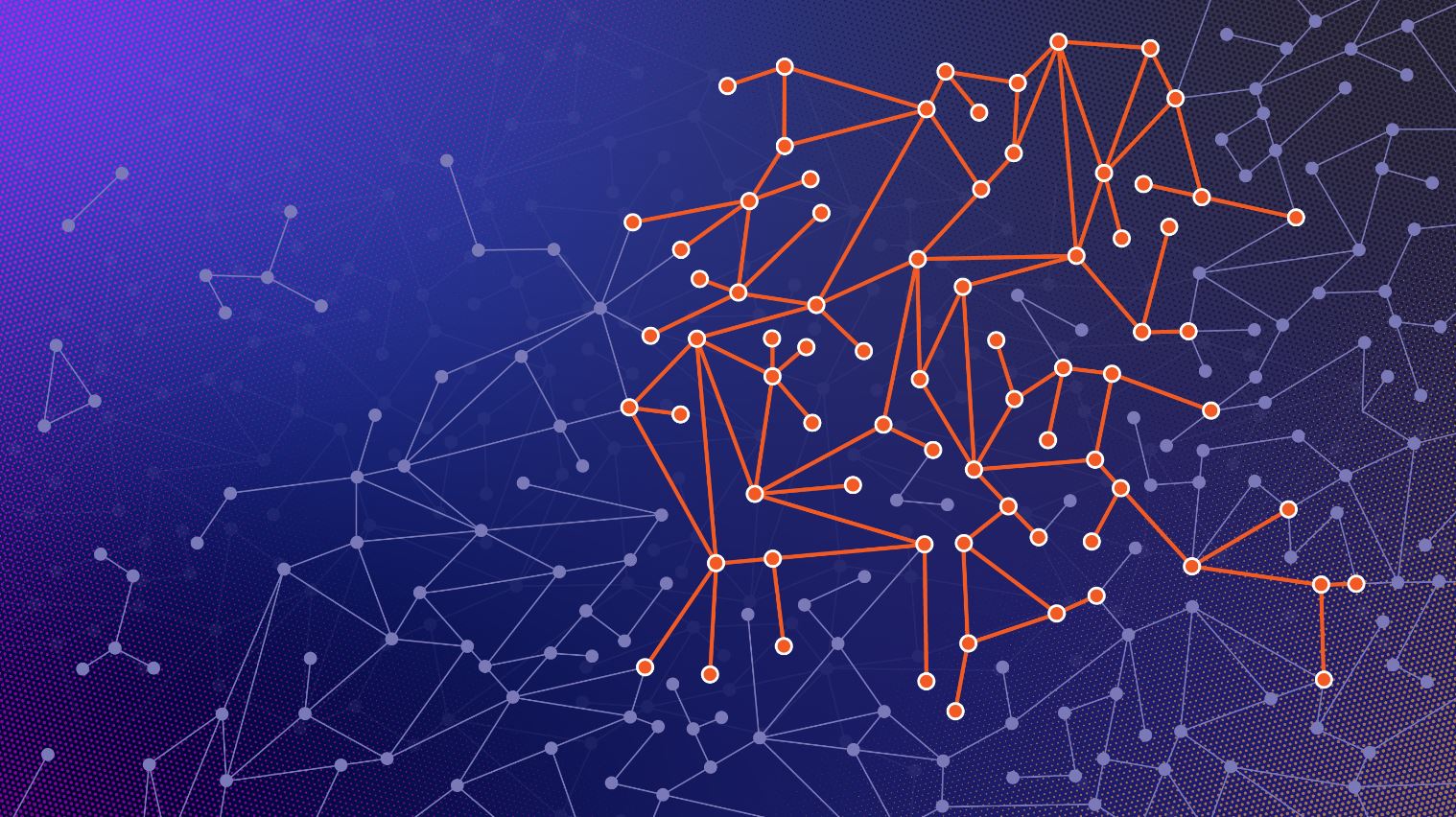
How Mathematicians Use Homology to Make Sense of Topology
Originally devised as a rigorous means of counting holes, homology provides a scaffolding for mathematical ideas, allowing for a new way to analyze the shapes within data.

New Quantum Algorithms Finally Crack Nonlinear Equations
Two teams found different ways for quantum computers to process nonlinear systems by first disguising them as linear ones.
How the Slowest Computer Programs Illuminate Math’s Fundamental Limits
The goal of the “busy beaver” game is to find the longest-running computer program. Its pursuit has surprising connections to some of the most profound questions and concepts in mathematics.
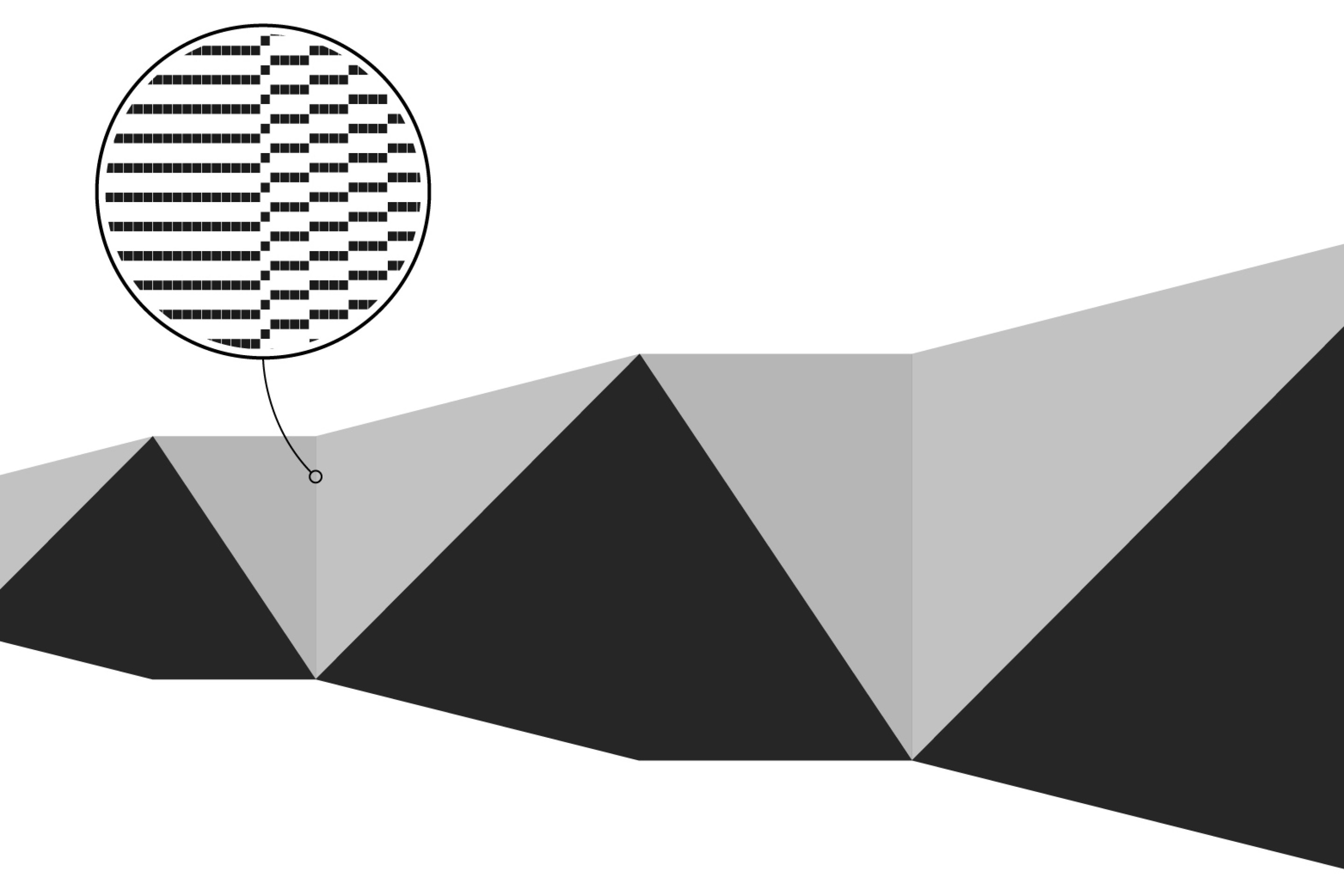
Undergraduate Math Student Pushes Frontier of Graph Theory
At 21, Ashwin Sah has produced a body of work that senior mathematicians say is nearly unprecedented for a college student.
Inside the Secret Math Society Known Simply as Nicolas Bourbaki
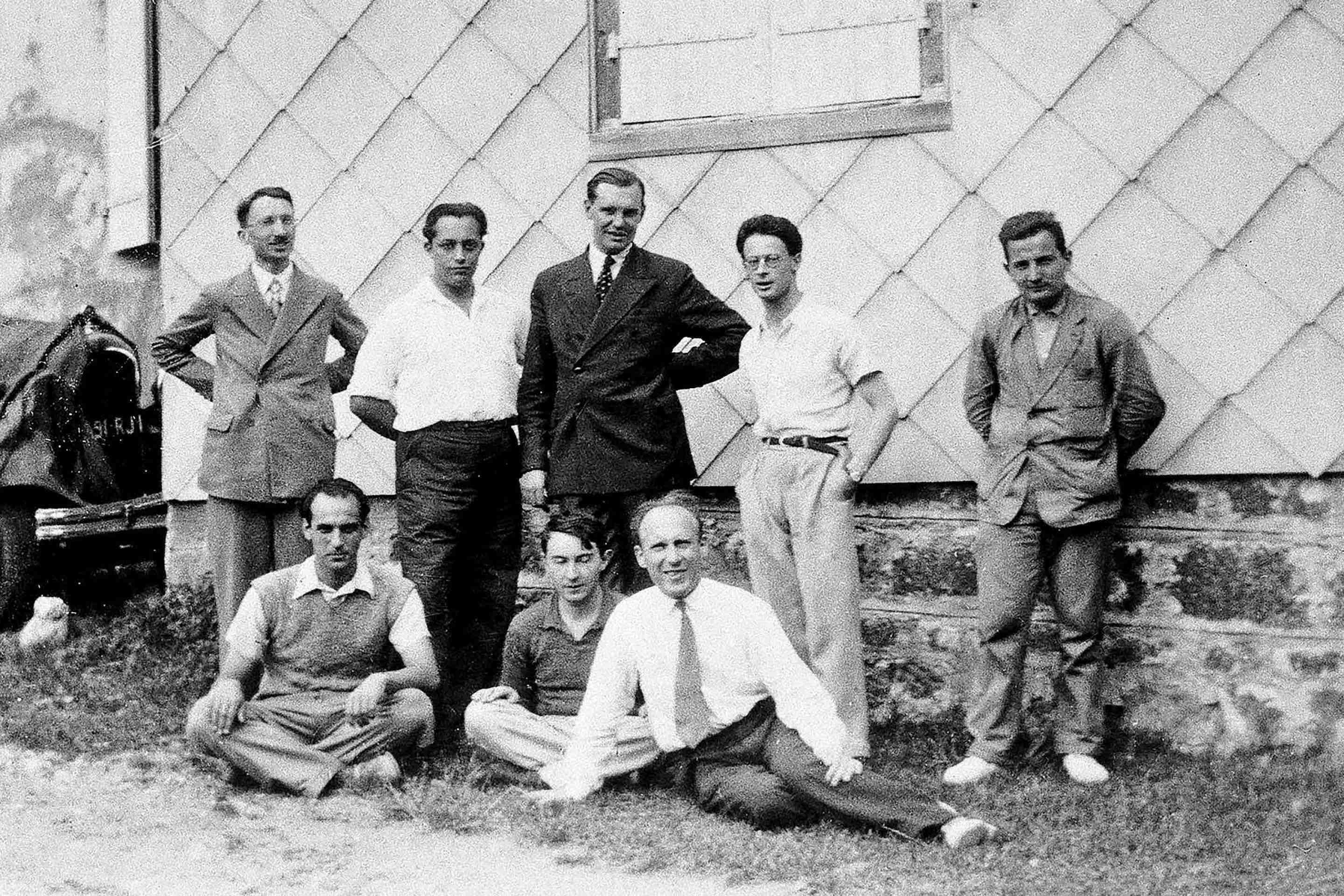
For almost a century, the anonymous members of Nicolas Bourbaki have written books intended as pure expressions of mathematical thought.
An Infinite Universe of Number Systems
The p-adics form an infinite collection of number systems based on prime numbers. They’re at the heart of modern number theory.


A New Algorithm for Graph Crossings, Hiding in Plain Sight
Two computer scientists found—in the unlikeliest of places—just the idea they needed to make a big leap in graph theory.