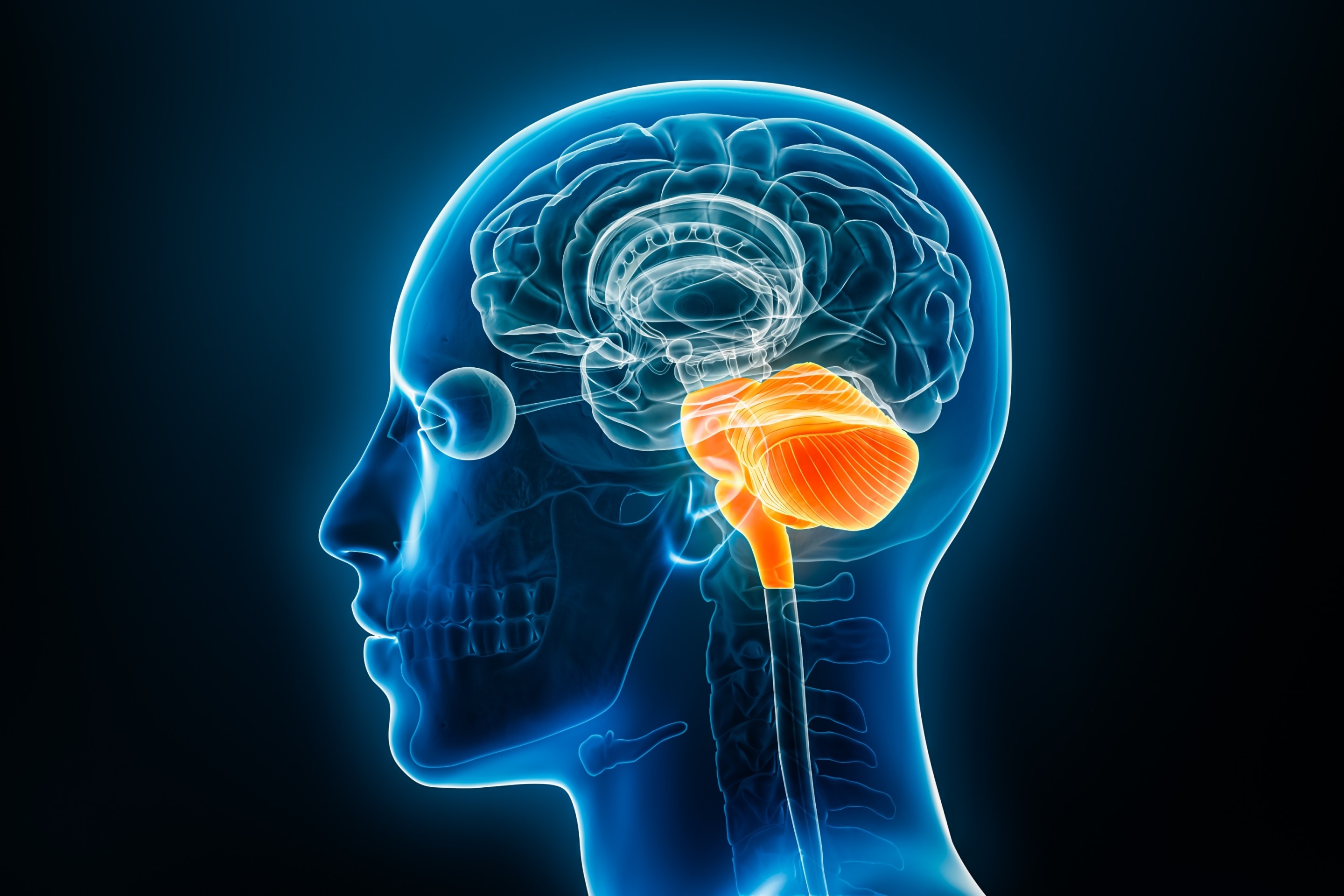
Studying the inner workings of the human mind is always a thorny endeavor, and models for how our brains operate are continually being reexamined, revised, and reconfigured. While neurologists have mapped which regions of the brain are responsible for different functions, things get hazier when we move into the realm of nebulous phenomena like memory.
Traditionally, explicit long-term memory (the intentional, conscious recollection of things and experiences) is divided into two subcategories: episodic memory and semantic memory. Episodic memory, as its name indicates, is the recollection of experiences—places, time, and the emotions associated with them. Semantic memory, on the other hand, is the recollection of general facts and information.
To put it simply, you rely on semantic memory to win a game of bar trivia, but you rely on episodic memory while recounting the story of your victory to friends. Or at least that’s what psychologists believed. New research from the School of Psychology at the University of Nottingham and the Cognition and Brain Sciences Unit at the University of Cambridge published this week in Nature Human Behavior is blurring the lines between the two.
Read more: “Your Memories Are Like Paintings”
To study the retrieval and processing of information associated with semantic and episodic memory, researchers asked 40 people to recall pairings between logos and brand names that either corresponded to their real-world knowledge (for the semantic portion) or that they learned in an initial study phase (for the episodic portion). While recalling the pairings, subjects were scanned by functional MRI (fMRI), which shows the relative blood flow to different areas of the brain to indicate neural activity.
Interestingly, the researchers found no real difference in brain activity during the two tasks. “We were very surprised by the results of this study as a long-standing research tradition suggested there would be differences in brain activity with episodic and semantic retrieval,” study author Roni Tibon explained in a statement. “But when we used neuroimaging to investigate this alongside the task-based study we found that the distinction didn’t exist and that there is considerable overlap in the brain regions involved in semantic and episodic retrieval.”
In other words, the same parts of the brain are involved in these two distinct forms of memory retrieval, suggesting they may be more connected than previously thought. Still, fMRI studies have come under scrutiny lately (who can forget the infamous dead salmon experiment?), and these findings will definitely warrant a second look. In the meantime, the study authors hope their results will yield new insights into memory disorders like Alzheimer’s disease.
“These findings could help to better understand diseases like dementia as we can begin to see that the whole brain is involved in the different types of memory, so interventions could be developed to support this view,” Tibon said. 
Enjoying Nautilus? Subscribe to our free newsletter.
Lead image: Jorm Sangsorn / Shutterstock