It’s not our fault. Blame the theorists, explorers, experimenters, and inventors.
We at Nautilus try to keep on top of all the amazing new things happening in science, but there’s simply too much of it to cover. So as 2013 winds down, I’d like to try to identify the science news that we didn’t cover this year, but that is so important that we’re bound to cover its progress—and its influence on philosophy and culture—in 2014.
“Brainlike Computers, Learning From Experience.” Neuromorphic chips have just started to appear commercially, and are poised to knock down a lot of the frustrating limitations of artificial intelligence.
High-Energy Neutrinos From Space Detected for the First Time. Where do they come from? No one knows. But the neutral particles are traceable, and looking for the sources marks the beginning of a new kind of astronomy, based on particles, rather than light.
“Tiny Injectable LEDs Manipulate the Brain With Light.” The wireless electrodes offer unprecedented access for using optogenetics to control neurons inside the brain. If that doesn’t sound futuristic, maybe nothing does anymore.
”Quantum Teleportation Approaches the Computer Chip.” A groundbreaking solid-state chip makes the prospect of quantum computers seem a lot more solid.
“Breakthrough: Scientists Succeed in Using DNA as New Form of Data Storage.” One gram of DNA can hold more about as much information as your whole brain, and it’s far more secure than digital storage.
”English May Have Retained Words From an Ice Age Language.” Newly reconstructed “protowords” from a 15,000-year-old language may have lexical descendants in languages as diverse as Russian, Hindi, and French.
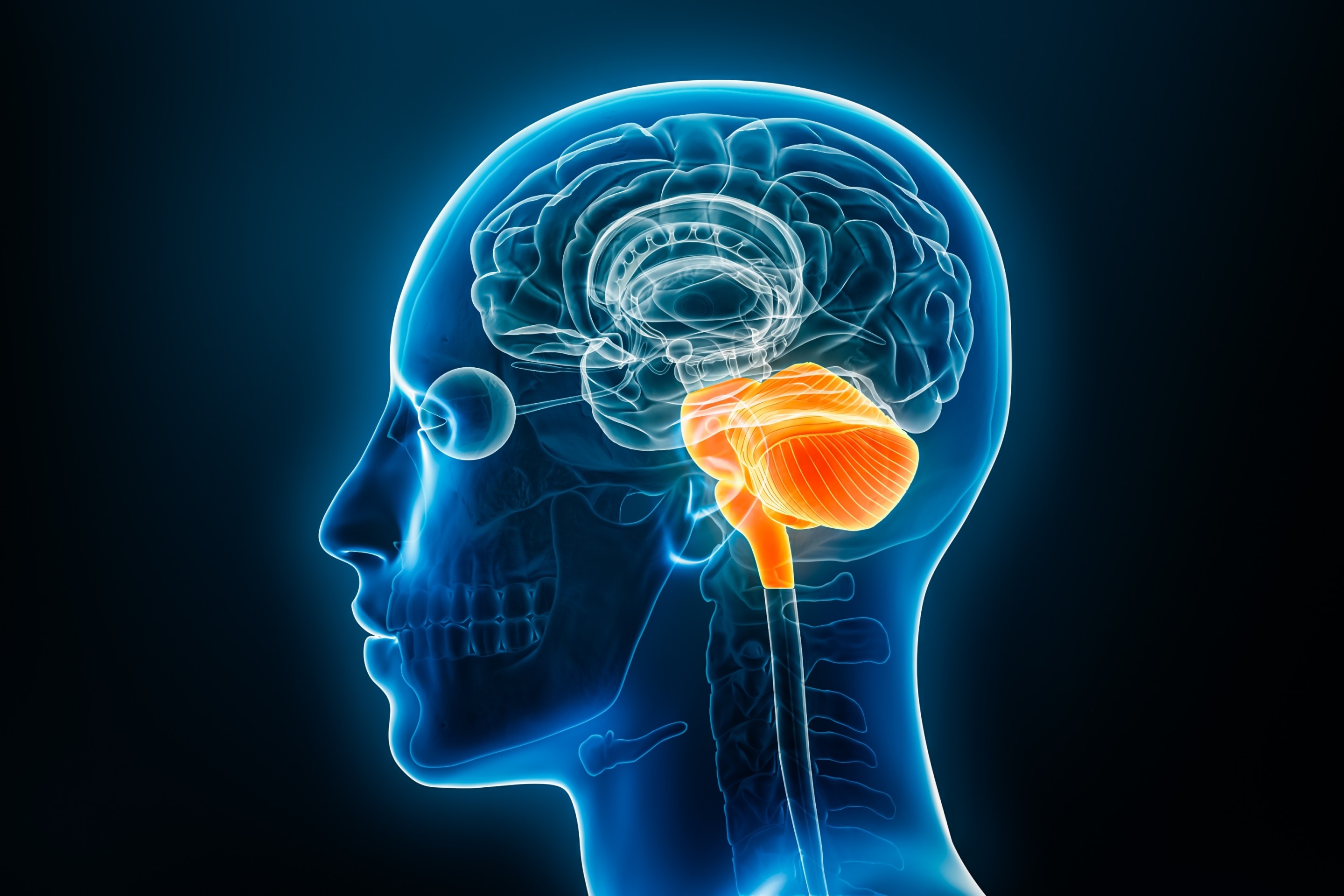
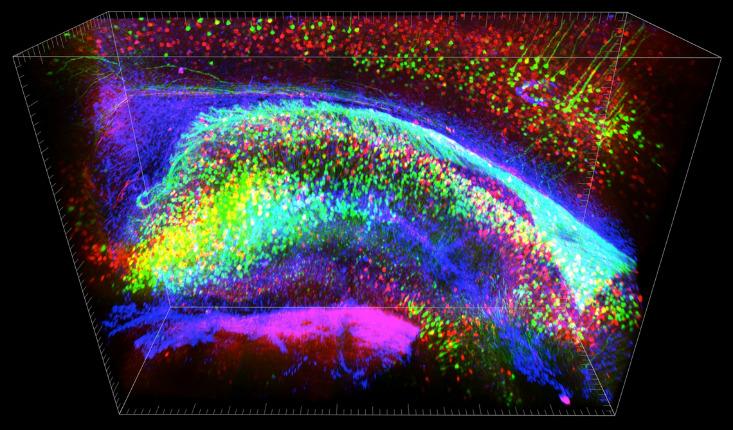
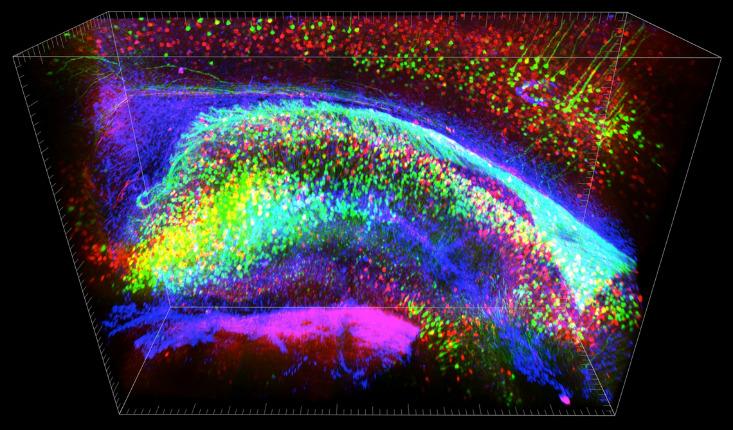
“Brains as Clear as Jell-O for Scientists to Explore.” This astounding process, called CLARITY, leaves the brain transparent but still perfectly functional, and may help crack some of its biggest mysteries.
Immunotherapy Becomes a Promising Tool Against Cancer. There is gradually building evidence that the human body can be encouraged to fight off this problem that emerges within itself.
Plants Perform “Molecular Mathematics” to Survive Night. They use division to pace their consumption of energy reserves.
“Imagining the Post-Antibiotics Future.” Without medicine’s greatest tool, our future sounds like a science-fiction dystopia—but it’s very much a non-fiction possibility.
“Fear of Death Makes People Into Believers (of Science).” The study participants all had weak religious beliefs, but still, something to ponder if you’re feeling reflective at the end of the year.
I’m sure I missed many huge advances. Set me straight in the comments, and have a good new year.
Amos Zeeberg is Nautilus’ digital editor.