Far from being just a glib reminder to take it easy on junk food, “you are what you eat” is literally true on a chemical level. When you break down food into its molecular components, the isotopes of the elements contained within get incorporated into your body. If they become bone and teeth, these isotopes can last for tens of thousands of years, and archaeologists analyzing their unique chemical fingerprints can get a pretty good idea of what they were before they were food.
Now a new study applies that method to a 2,700-year-old Italian necropolis, and it’s revealing more than just the inhabitants’ diet.
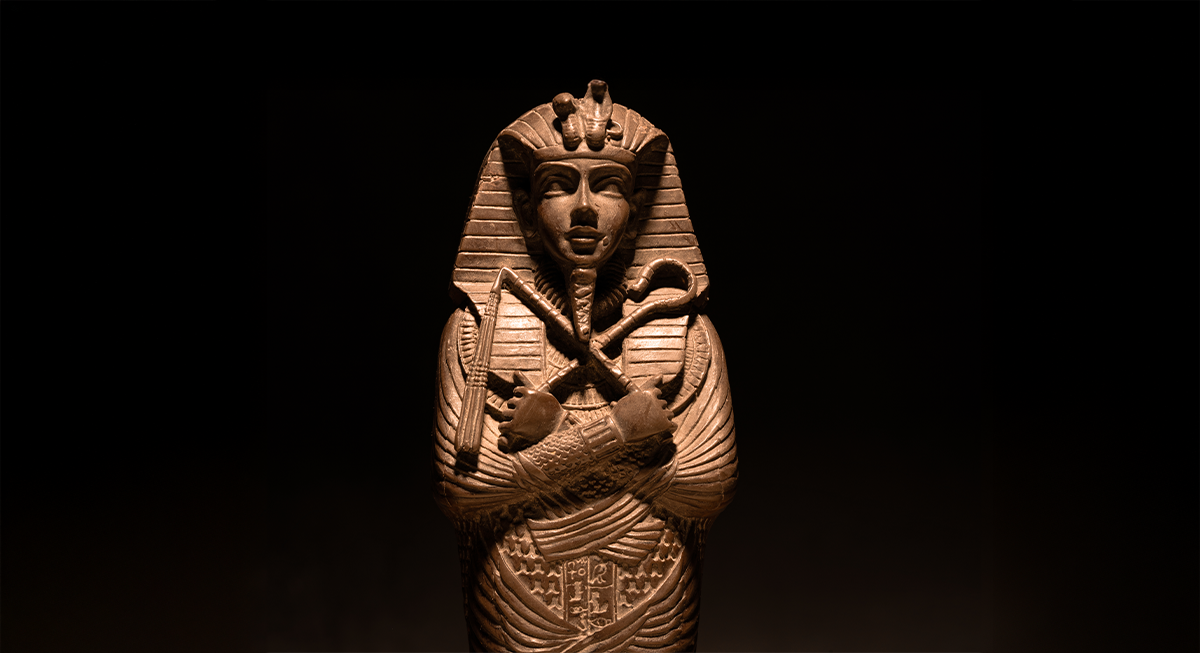
Discovered in the late 19th century, the Novilara necropolis is located near Italy’s northeastern coast and contains hundreds of bodies. The bodies buried there were adorned with a variety of artifacts, from the elegant, like ornate amber jewelry and weaponry, to the more quotidian, like spools and spindles. Basically, Novilara is the final resting place for an interesting cross-section of people.
Read more: “Eat Like a Neanderthal”
As such, it’s been a rich source of information about both life and death in the region during the Iron Age, before the Roman conquest. Now a team of Italian archaeologists has analyzed the isotopes from the bones of 148 individuals (representing both sexes and several age groups) that were interred there and published their findings in the Journal of Archaeological Science.
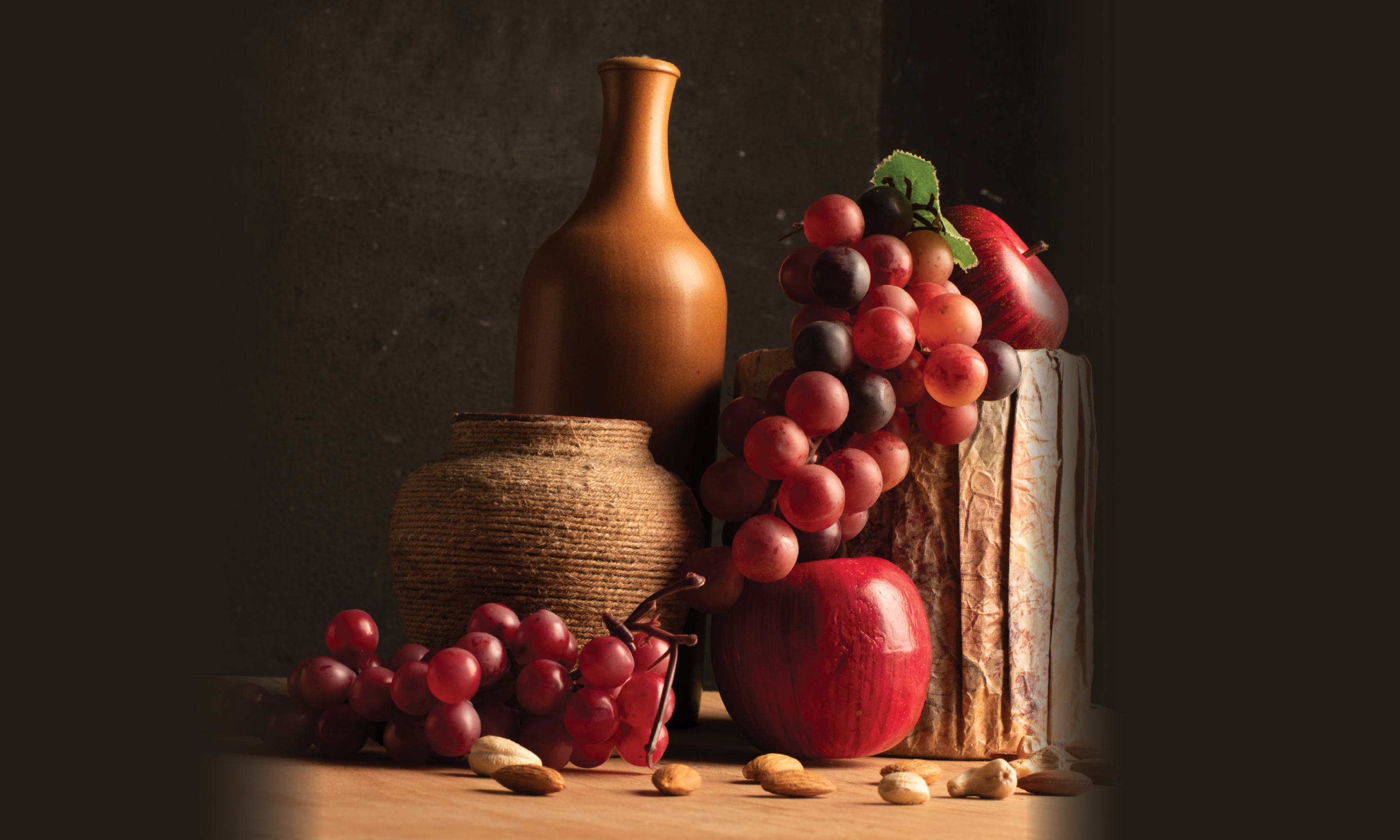
Curiously, despite being a stone’s throw from the Adriatic Sea, those buried in Novilara didn’t eat a lot of seafood. Instead their diets were primarily based on meats, cereals, and plants, although there were some significant sex differences (men, for example, seemed to have more access to meat than women did). Unfortunately, the researchers couldn’t be more specific than that, but noted that their findings match up with writings by Pliny the Elder, who wrote about the region’s olives, apples, grapes, and fine spelt flour.
Additionally, the diets of those buried with more glamorous artifacts appeared to be the same as those with more modest objects, suggesting a degree of dietary egalitarianism. “The study shows that social inequality cannot be interpreted solely based on the objects placed in graves,” study author Zita Laffranchi of the University of Córdoba said in a statement.
Rich or poor, death comes for us all, and we all have to eat. 
Enjoying Nautilus? Subscribe to our free newsletter.
Lead image: Andrey Boyarskiy / Adobe Stock