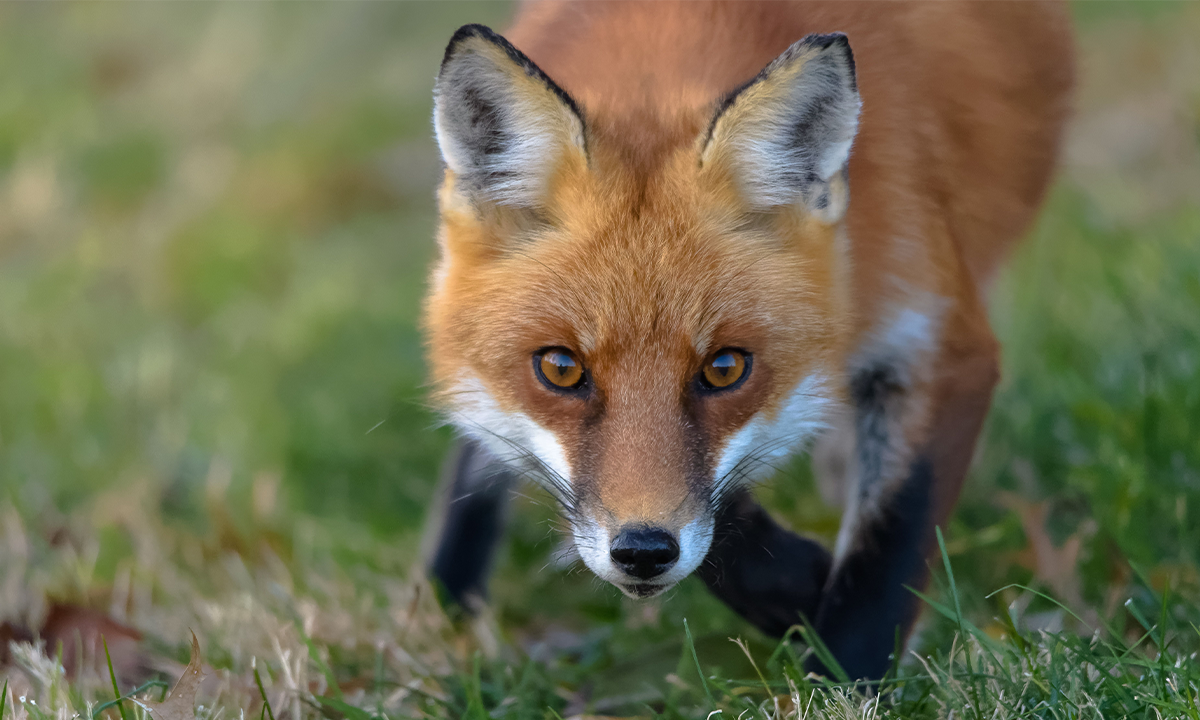
In 2017, gray wolves recolonized the Castelporziano Presidential Estate, a nature preserve on the outskirts of Rome. There, they hunted roe deer, hares, and wild boars with no interference from humans, save the team of scientists monitoring them. As the apex predators of the preserve, they were free to thrive—or so it seemed. Scientists recently caught a red fox on camera killing wolf pups for the first time.
Researchers from the University of Sassari in Italy studying the reproductive behaviors of the wolf population made the discovery after setting up motion-activated camera traps near a wolf den in the preserve.
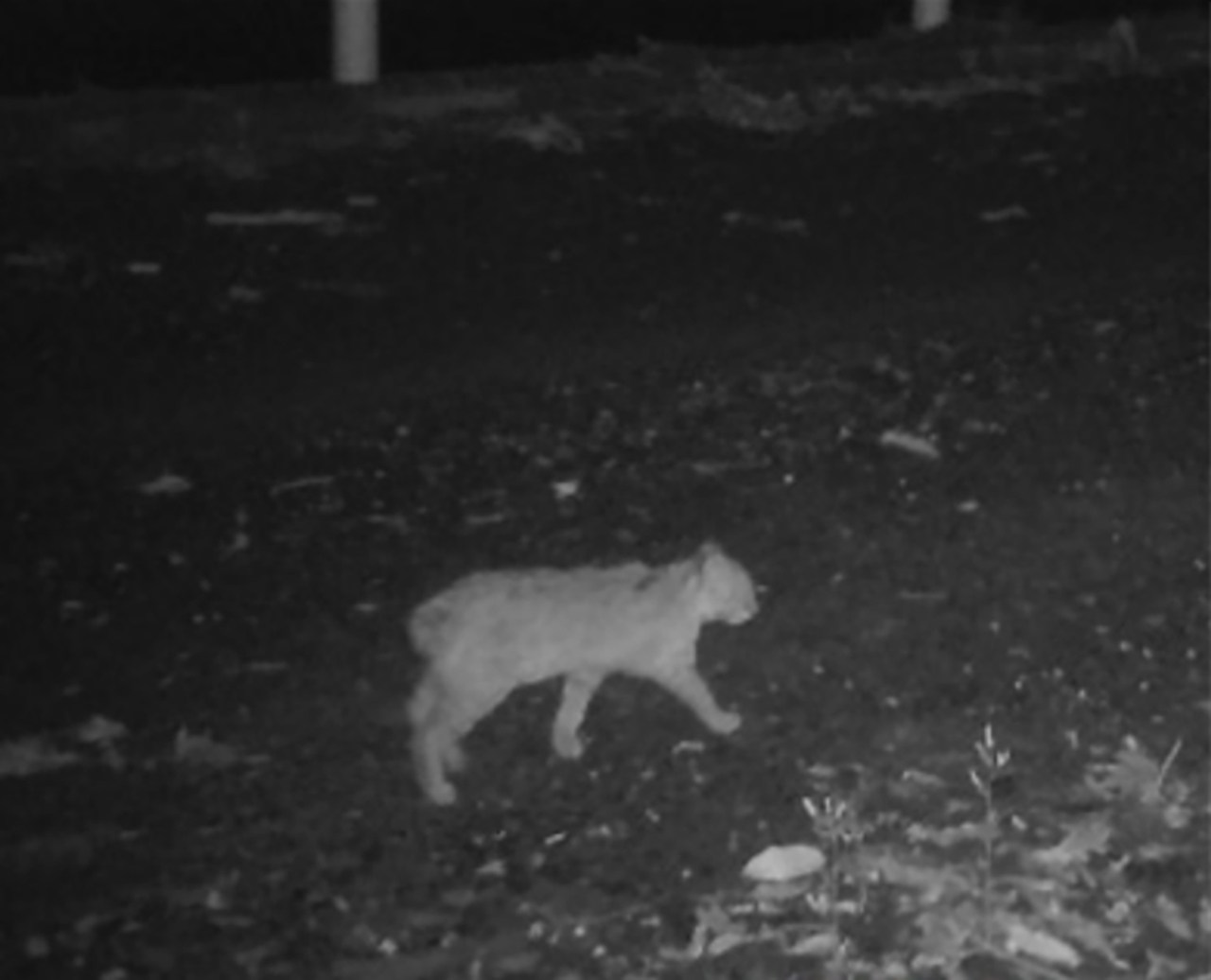
The footage shows two wolf pups exploring the area around the entrance to the den before a red fox enters the frame around 30 minutes later. The red fox enters the den, pulling one of the pups out while they cry in distress. The wolf pup breaks free, retreating back into the den, but the red fox soon follows, absconding with the pup in its jaws.
Although the video cuts out after that moment, the wolf pup was never seen again, and the researchers presume it was killed and eaten by the fox. The adult wolves, out hunting during the attack, returned later, and the pack moved to another den shortly thereafter, likely because of the incident.
According to the International Wolf Center, wolf pup mortality is fairly high—around 40 to 60 percent. However this attack marks the first time a medium-sized predator (mesocarnivore) is known to have been the cause of mortality.
Read more: “What Makes Us Bold”
“Our observation broadens the known range of antagonistic interactions affecting wolf offspring, demonstrating that even mesocarnivores can exert direct pressure on the reproductive performance of this apex predator,” the researchers wrote in their paper, published recently in Current Zoology.
It’s not clear why the fox chose to attack the pups with so many other food sources available in the preserve, but researchers believe it was an opportunistic killing. If so, it might not be in the red fox population’s long-term interests. Researchers say the remains of deer meat in fox droppings increased with arrival of wolves in the area, indicating they benefit from snacking on the apex predators’ leftovers.
It’s another reminder that nature can be messy, brutal, and full of surprises. 
Enjoying Nautilus? Subscribe to our free newsletter.
Lead image: Wirestock Creators / Shutterstock