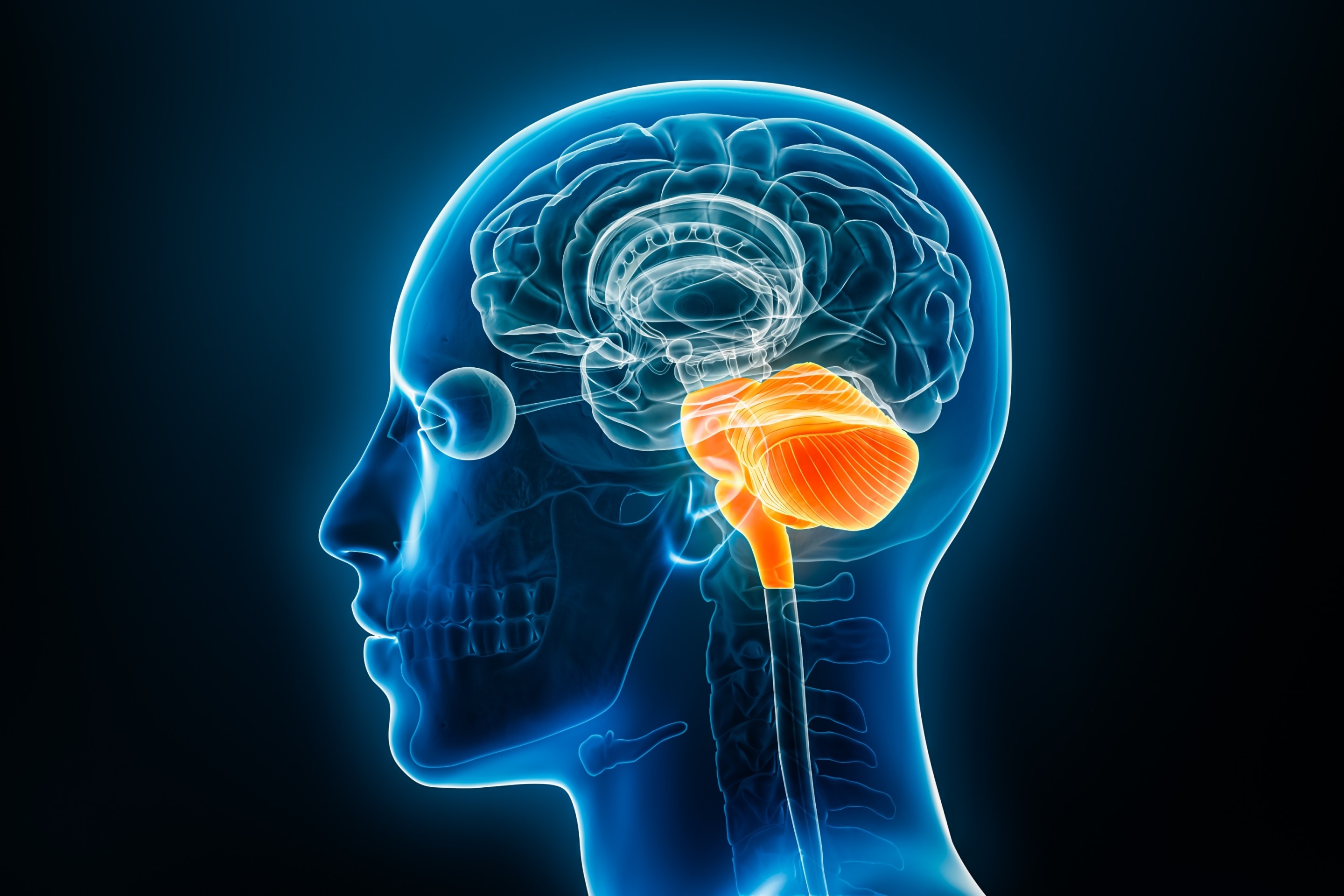
Sex differences in the structure of the brain are well-documented, hotly debated, and ultimately, kind of fuzzy. In humans, at least, they tend to be subtle with plenty of overlap in the bell curves between the sexes. The same is true for mice, but neurologists recently discovered one area in the little critters’ brains that shows a striking difference in males and females. They published their findings in the Proceedings of the National Academy of Sciences.
Tamar Licht and Dan Rokni of the Hebrew University of Jerusalem, identified a small cluster of cells that displays a fascinating pattern of activity in males and females. Located in the medial amygdala, an area of the brain that plays a major role in social and reproductive behavior, this previously unknown cluster acts like a kind of neural switch. In female mice, the area is always active, but in male mice, it toggles off when they reach sexual maturity and then back on again after mating.
“Most sex differences in the brain are subtle and distributed,” Licht explained in a statement. “What surprised us here was the clarity of the signal. This is a discrete group of neurons that behaves almost like a biological switch, reflecting sex and social state in a very robust way.”
Read more: “The Science Behind Better Visualizing Brain Function”
In other words, it’s possible to tell if a male mouse is a virgin just by looking at its brain activity.
To uncover the mechanism behind the switch, the team removed the testes and ovaries of mice. Surprisingly, the on/off switch still worked, meaning sex hormones weren’t the culprits. They then administered prolactin, a hormone released post-mating, to virgin male mice and discovered that it did, in fact, activate the switch. However, when they administered a chemical to block prolactin activity in male mice after mating, the switch still activated, suggesting there’s more to the story.
So what does this switch do?
Interestingly, it was only active when male mice were housed together with their female mates. When they were separated, the neural cluster toggled off again. The researchers think it could be involved in the neural circuitry that triggers behavioral changes in mice once they become fathers, including suppressed infanticidal behavior.
They say fatherhood changes a man, turns out it changes a mouse, too. 
Enjoying Nautilus? Subscribe to our free newsletter.
Lead image: acilino / Shutterstock