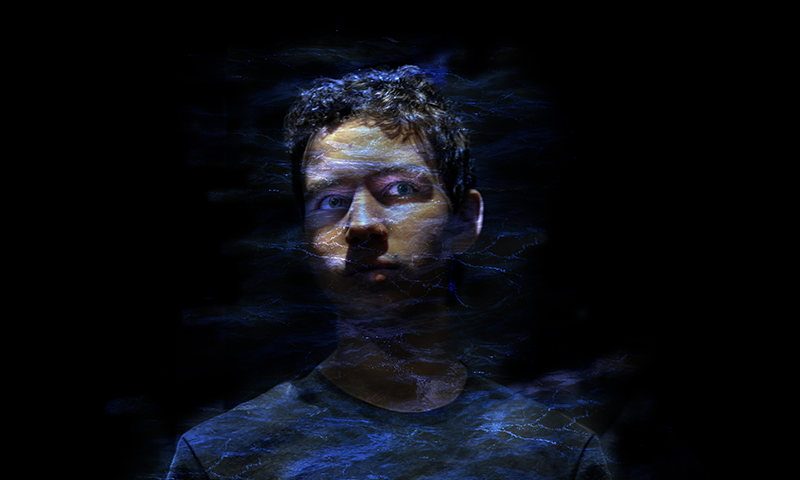
Plenty of teens have tripped on psychedelics. At a party, a friend may slip them a pill or a tab and suddenly they tumble into the bizarro world of mind-altering drugs, the boundaries of the self dissolving into ecstatic visions.
These trips do not always end well. Some teens end up in the emergency room for psychological distress or dangerous behavior, suffer persistent hallucinations and perceptual disorders, develop symptoms of schizophrenia, or have other cognitive and social troubles.
But other teens may find that, in the weeks following their trip, they are better able to psychologically cope with the stressors of daily life. Given the real need for new therapies that work for adolescents with treatment-resistant mental illness, is there room to consider hallucinogens—or are the risks too great?
This is one of the questions posed by a recent review of the psychedelic literature published in Lancet Child Adolescent Health by a team of international scientists.
Clinical research on the use of psychedelic drugs for mental health treatment has mushroomed over the past couple of decades. To date, ketamine is the only psychedelic that has been approved for treatment of mental health conditions, but evidence suggests other varieties can also be effective for some conditions in some adults. A couple of months ago, for example, researchers found that psilocybin therapy was linked to lasting recovery from depression over a period of five years.
The problem is, the vast majority of studies focus exclusively on adults, as investigating these therapies in teenagers is much more ethically fraught.
Some teenagers find they're better able to cope with daily life in the weeks following their trip.
“If we want to explore whether young people with unmet mental health needs might benefit from psychedelic therapies currently being tested in adults, then we need to gather evidence and develop clinical knowledge which, as we show, does not currently exist,” said lead author Khaleel Rajwani, in an email. As a doctoral candidate at the McGill University Department of Philosophy, Rajwani studies ethical issues in psychiatry and mental health.
Over the past 25 years, only four of almost 1,600 psychedelics studies registered or published in the medical literature have involved adolescents younger than 18, according to the review by Rajwani and his colleagues. These trials, which propose to investigate the use of MDMA- and psilocybin-assisted therapy in adolescents suffering from post-traumatic stress disorder, autism, social anxiety, and self-harm, haven’t been completed and no findings have been published.
Some research has looked into the impact recreational use has on healthy kids, however. One Swedish study of more than 16,000 healthy adolescent twins published in Jama Psychiatry in 2024 found that kids who used psychedelics recreationally had fewer episodes of psychosis than kids who did not use them—at least when substance use was accounted for, as 99 percent of the kids in the study were also using other drugs. On the other hand, psychedelic use was associated with more manic symptoms in young people with genetic vulnerabilities to schizophrenia.
The gap in research on how adolescents with mental health conditions respond to psychedelics needs to be addressed, the authors of the new Lancet paper argue. Even though adolescent brain structures that support planning and impulse control are still developing, they say, the risks of treatment-resistant mental illness for kids may be greater than the risks presented by the hallucinogens—and clinicians may try treating younger patients with these substances anyway.
Many psychiatric medicines are prescribed now to adolescents even when there is little evidence from clinical trials that they are effective for that age group, Rajwani and his colleagues write. If psychedelics are approved for treatment of mental illnesses in adults, psychiatrists may similarly begin prescribing them off label to adolescents despite a lack of clinical evidence.
The scientists urge caution, of course—such research should only proceed in populations for whom the potential benefits are substantially greater than the risks, and with strong consent controls in place.
“We must stay mindful of the unique risks and vulnerabilities in adolescent contexts, and make sure that any psychedelic research conducted in this population is rigorous and held to the highest ethical standards,” writes Rajwani in an email.
It’s unlikely adolescents will stop taking psychedelics recreationally or even to self medicate. But at least, with a little more careful research, we may know more about where their minds go after they take a brain-bending trip. 
More from Nautilus about psychedelics:
“What Is Your Brain Doing on Psychedelics?” Something is happening here, but neuroscientists don’t know what it is.
“Will Psychedelics Replace Antidepressants?” Psychedelic treatment is helping patients make difficult emotional breakthroughs.
“Clergy Blown Away by Psilocybin” A 10-year-old study finally comes into the light.
Enjoying Nautilus? Subscribe to our free newsletter.
Lead image: ooodles / Shutterstock