For many surgical patients, going under general anesthesia can be almost as scary as going under the knife. But research indicates experiencing dreams as you exit twilight can have some therapeutic effects. Now, according to a study published in the journal Anesthesiology, researchers believe they’ve discovered a five-part recipe for inducing these healing anesthesia dreams.
The protocol, developed by anesthesiologists from the American Society of Anesthesiologists, includes a verbal instruction to the patients that they might dream, using propofol to wake them, monitoring their brain activity with an EEG, minimizing stimulation for 10 minutes while they wake, and interviewing them afterward. After following the five-step plan, the researchers found that 69 percent of the patients reported dreaming and that most of their dreams were positive.
Read more: “Under Anesthesia, Where Do Our Minds Go?”
The authors report that the most difficult part of the plan is “maintaining the full 10-min hands-off emergence period” (seems like it’s tough to get 10 minutes to yourself even when you’re recovering from surgery). In the subgroup that was able to get an uninterrupted 10 minutes, the portion who reported dreaming rose to a whopping 93 percent. So a little downtime seems to be the crucial ingredient for anesthesia dreams.
According to the researchers, this new protocol opens up opportunities for post-surgery dreaming to become part of the healing process itself. “We know from prior case reports that some patients have experienced reductions in post-traumatic stress disorder symptoms, depression, and anxiety following anesthetic dreams,” study author Boris Heifets explained in a statement. “The key ingredient may be as simple as a 10-minute period of quiet during emergence from anesthesia.”
Ten minutes of peace and quiet is a dream we can all aspire to. 
Enjoying Nautilus? Subscribe to our free newsletter.
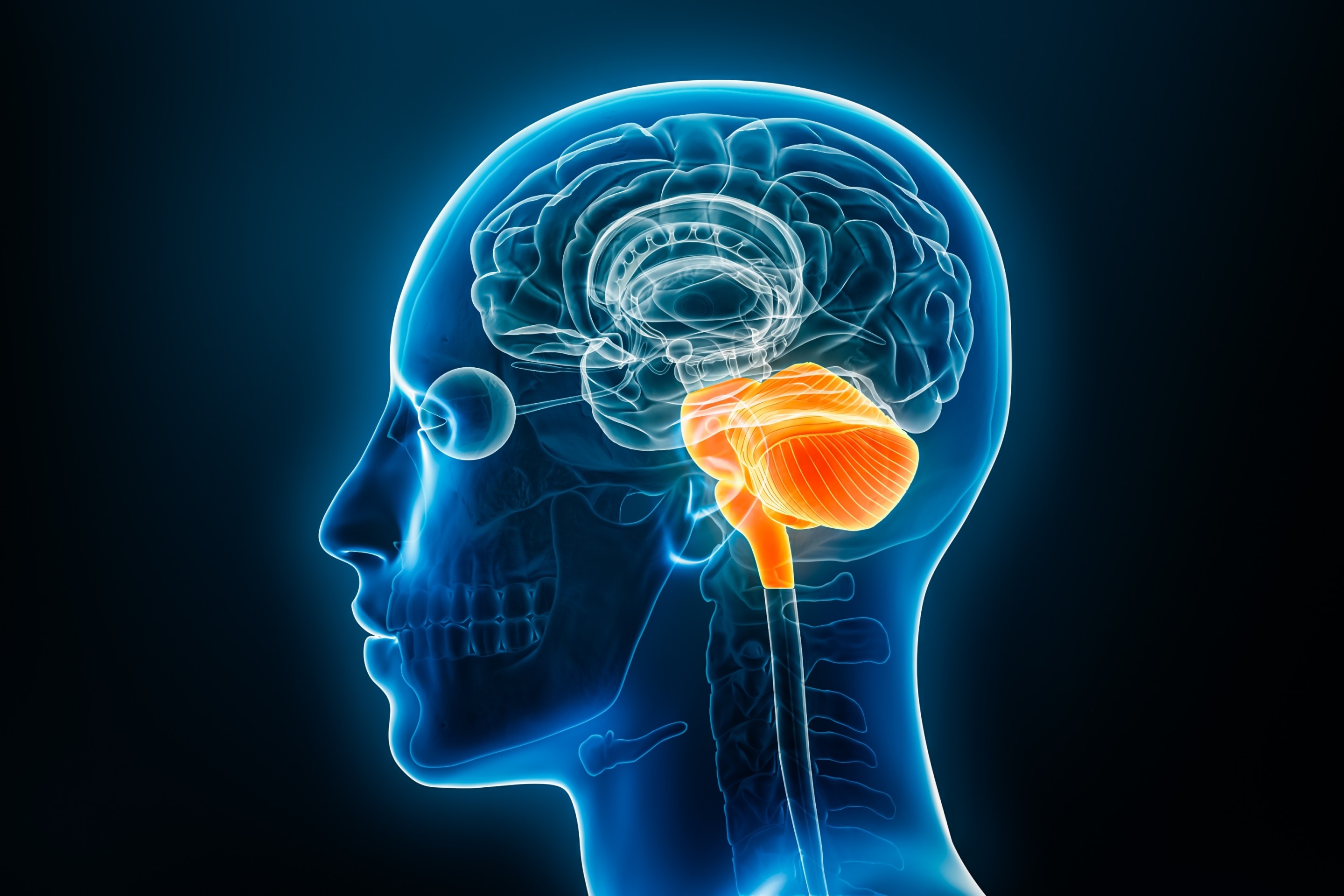
Lead image: Jorm Sangsorn / Adobe Stock