Disappointment stings. But this feeling may be more useful than you might think. It seems to help mice change their behavior so that they can avoid similar outcomes in the future, a skill essential to survival for many living things.
Scientists from the Okinawa Institute of Science and Technology (OIST) Graduate University have found that disappointment actually triggers specific changes in the brains of mice that predict adaptive behavior. The findings, which were published in the journal Nature Communications, could help scientists understand a variety of diseases and disorders, from addiction to obsessive compulsive disorder to Parkinson’s disease.
“The brain mechanisms behind changing behaviors have remained elusive, because adapting to a given scenario is very neurologically complex,” said co-author Jeffery Wickens, head of the Neurobiology Research Unit at OIST, in a statement. “It requires interconnected activity across multiple areas of the brain.”
Read more: “Where Is My Mind?”
Wickens and his colleagues trained mice to navigate a virtual maze, meting out a sugary reward when the rodents were successful. They then switched the route, so the mice lost the sweet treat. Using an advanced imaging technique known as two-photon microscopy, they monitored the release of neurotransmitters in the mouse brains in real time as they navigated the maze.
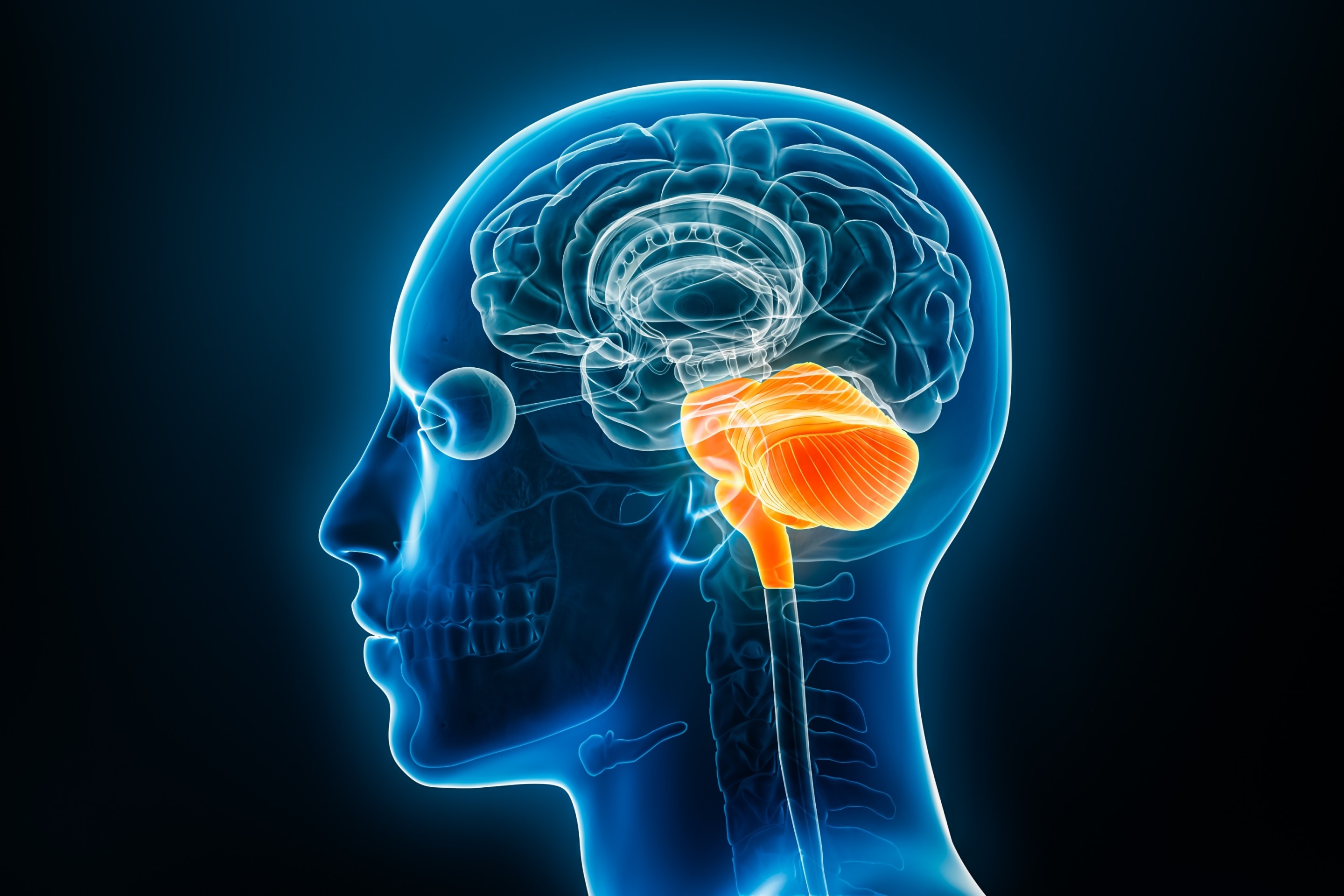
When the goodie the mice had come to expect suddenly went poof, the scientists observed acetylcholine flooding the striatum, a part of the brain associated with movement and reward. The greater the release of neurotransmitter, the more likely the mice were to change their behavior, trying out new routes through the maze. This wasn’t the case, however, during the training phase when they made a wrong choice—only after they had learned to expect the sugary treat.
To confirm their findings, the researchers then turned off the acetylcholine source in the mice—by delivering a specific receptor to their brains using a virus and then activating it—and tried the experiment again. Without the deluge of acetylcholine saturating their brains, the mice were far less likely to hunt for alternative ways to solve the maze when the game changed.
“Our results demonstrated the importance of acetylcholine in breaking habits and enabling new choices to be made,” said co-author Gideon Sarpong, a neuroscientist at OIST.
Previous work had already shown that brain cells that release acetylcholine were involved in behavioral flexibility, but exactly how this worked was unclear. The findings could help scientists better understand the specific roles the neurotransmitter plays in certain neurological disorders.
Maybe this knowledge could even help lessen the bitter sting of disappointments, making feelings of defeat just a little sweeter. 
Enjoying Nautilus? Subscribe to our free newsletter.
Lead image: Simple Line / Shutterstock