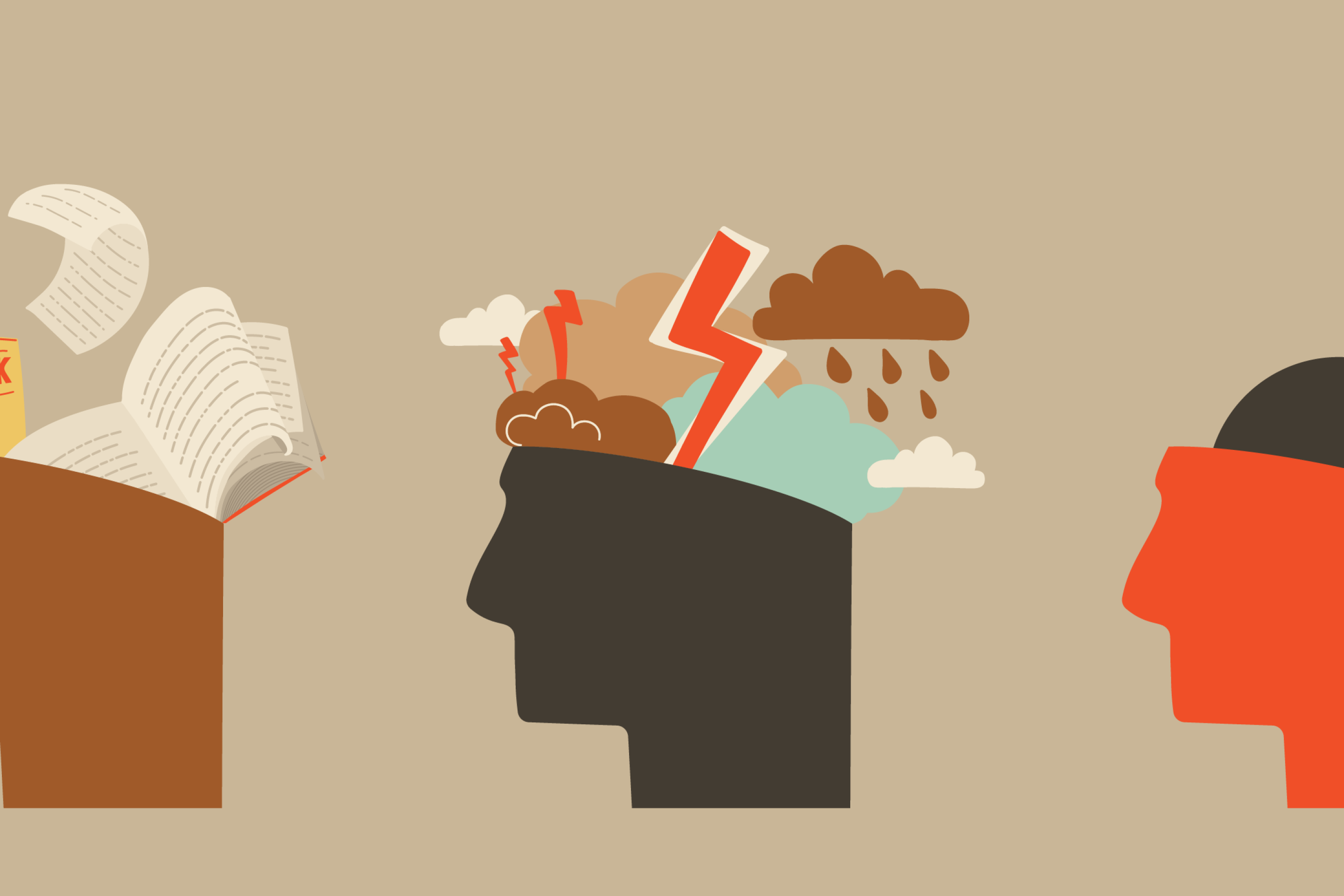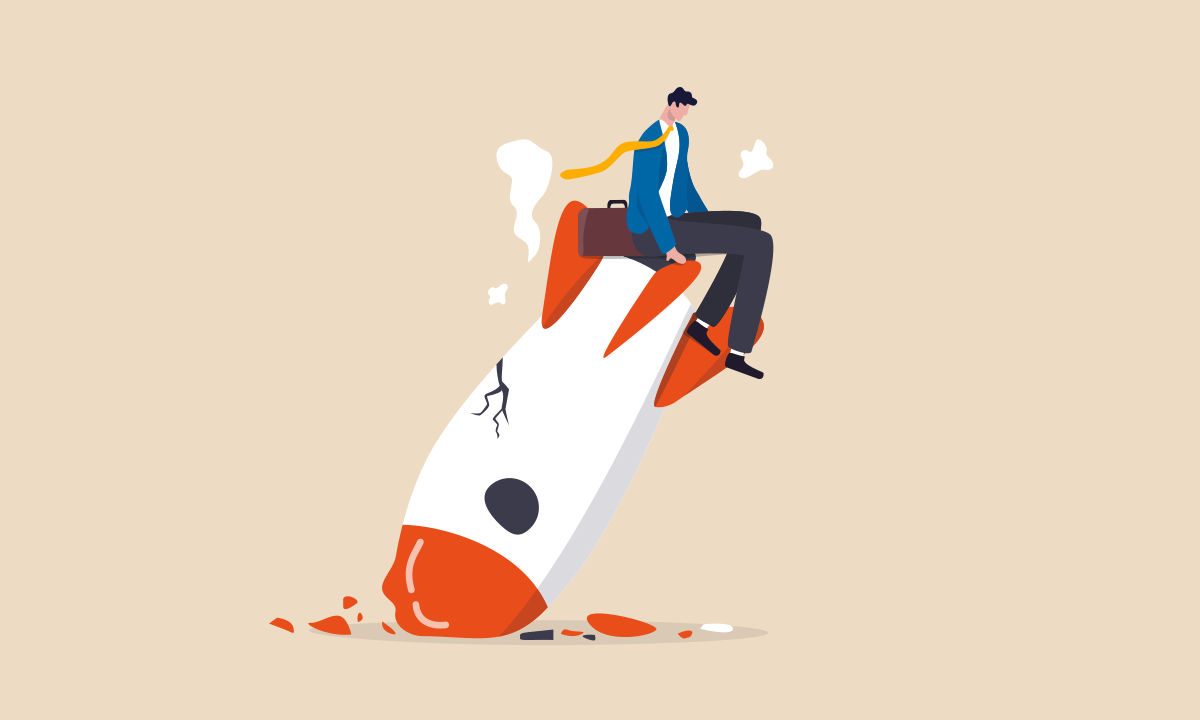
You might've been told to “hang in there” throughout your childhood, as illustrated by a kitten dangling from a rope. But it turns out that quitting might often be your healthiest option.
Researchers have long sought to understand how persistence is linked to personal well-being and human evolution more broadly. One poorly supported theory posited that our ancestors were so determined to catch prey that they ran for long stretches in hot, dry environments.
Newer evidence suggests that ditching tough-to-attain goals can actually be good for us. According to a review of more than 230 studies recently published in the journal Nature Human Behaviour, adjusting our goals in response to stress or challenges, rather than grinding on, is often “a more appropriate and beneficial response.”
The authors of the sweeping meta-analysis examined 235 studies spanning various fields, including psychology, health, and social sciences, that detailed how people shift their goals after encountering obstacles to success. The researchers wanted to consolidate this “fragmented” information and observe how adjusting goals relates not only to psychological well-being but also physical health, social functioning, and future ambitions. This allowed them to chart a goal “roadmap.”
Read more: “We Can Be Heroes”
“Sticking with impossible goals can take a real toll, with previous research suggesting it can lead to higher stress, poorer well-being, and even physical health costs such as illness,” said study author Hugh Riddell, a professor at the School of Population Health at Curtin University in Australia, in a statement. “But letting go and—crucially—reengaging with new goals, was found to restore purpose and well-being.”
The team employed statistical analysis to illuminate what causes people to ditch, adjust, or re-engage with goals. Disengagement from goals, for example, was most strongly linked to negative feedback on these ideas and an “action crisis” stemming from one’s failure to overcome related obstacles. Our personalities might also play a major role in these types of decisions: Optimism tended to be strongly linked to one’s openness to revise a goal to better fit their skills and resources. “These findings indicate that goal-striving flexibility is more likely to emerge when individuals feel secure, exhibit stable regulation, and possess emotional resilience,” the paper notes.
The scientists also analyzed the impacts of these decisions. Giving up on goals was significantly linked to reduced stress, anxiety, and depression, for instance. And adopting new ones was strongly associated with high social and physical functioning. Finding new goals also came with moderate to large benefits to psychological functioning, feeling a sense of purpose in life, satisfaction, and personal growth.
This analysis comes with limitations, the authors acknowledge, due to observational data collected at specific points in time and risks of bias in individual papers. The next step, they write, is to pinpoint the specific moment that people should rethink their dreams or keep on chugging. “Finding out when exactly people should stick with their goals or change course, without giving up too early, is really the next piece of the puzzle,” Riddell said in the statement.
So whether you’re the type to stick with it to the bitter end or change course when you sense trouble up ahead, there may be an optimal method to help you achieve—or alter—your goals. 
Enjoying Nautilus? Subscribe to our free newsletter.
Lead image: eamesBot / Shutterstock