Old age can land a hard blow. But physical strength and resilience can help you punch back. Without it, older adults become increasingly vulnerable to all kinds of calamities: illness and injury, hospitalization, heart disease, cancer. The more criteria for frailty a person meets, the higher the risk of death.
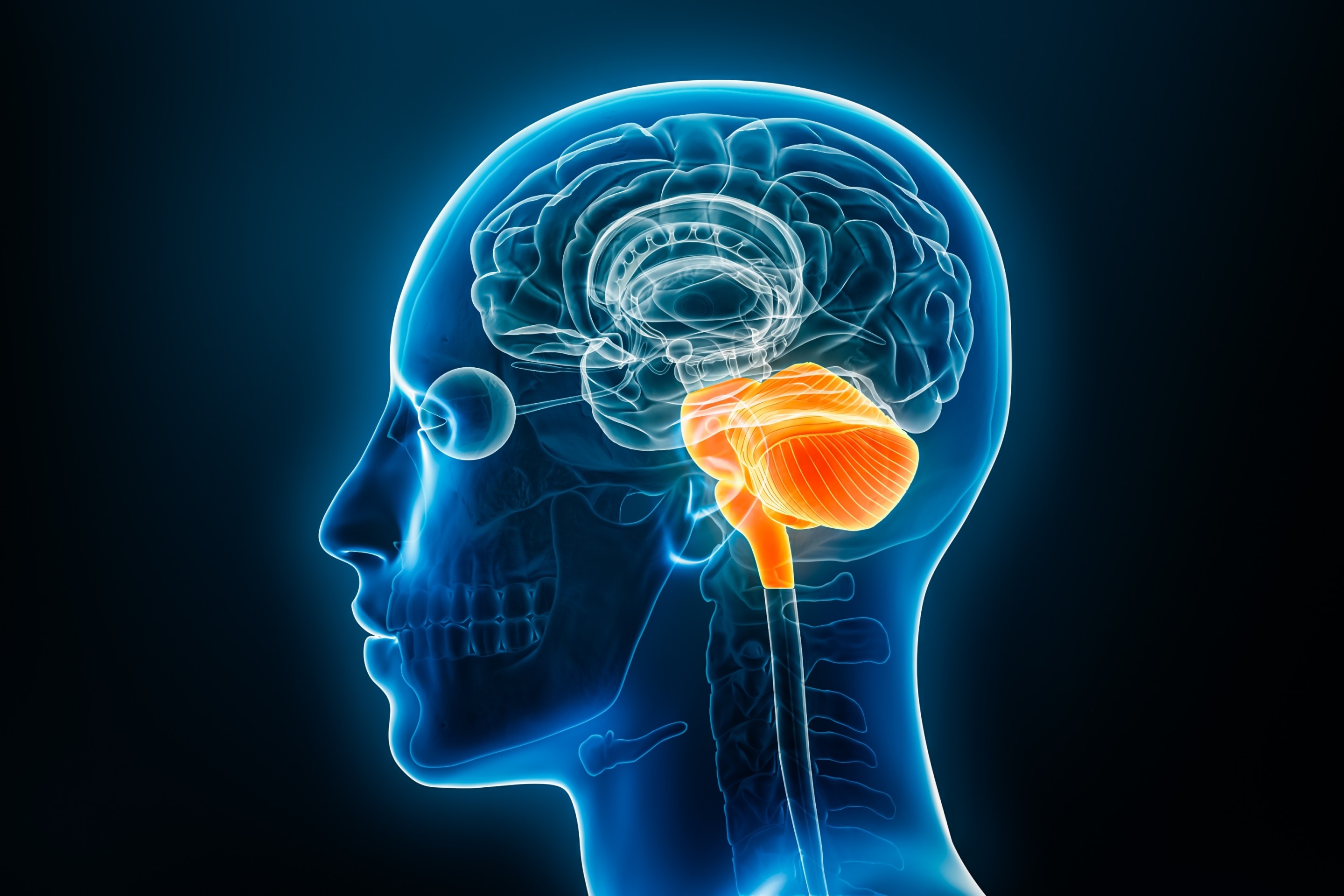
Now scientists have identified a little-known region of the brain that may be tied to how well we preserve physical and cognitive resilience as we age. The findings could help clinicians uncover risk of frailty before it creeps in—and even protect against it.
Frailty involves not just muscle loss, but loss of coordination and cognitive and emotional decline. A simple test known as the grip test is increasingly considered the most promising way to measure it. The grip test is exactly what it sounds like: Squeezing your hand into a grip around an object with as much strength as you can muster. And so researchers at the University of California, Riverside, decided to use functional MRI to track activity in the brains of 60 older adults while they performed the grip task.
Read more: “Raising the American Weakling”
“Grip strength is more than just muscle,” explained Xiaoping Hu, a professor of bioengineering at University of California, Riverside and senior study author, in a statement. “It’s a marker of how well your body and your brain are functioning as you get older.”
Hu and his colleagues monitored many parts of the brains of their participants while they clenched their hands into a tight grip, but one structure materialized as the hero in these tests. Activity in the caudate nucleus, known for helping to manage movement and decision-making, was correlated with grip strength.
The caudate nucleus is a c-shaped structure deep in the basal ganglia known to play a key role in learning, memory, movement control, and executive functions, such as focus. But until now it hadn’t been considered a potential early beacon of frailty and resilience. “This could eventually help clinicians spot frailty earlier, by identifying patterns in brain activity before people begin to lose strength,” Hu said via statement. The researchers published their findings in Frontiers in Neuroscience.
Hu and his colleagues used advanced modeling to map the internal communication systems in the brains of their participants, also known as the “functional connectome.” To make sure that they were, in fact, measuring frailty and not other variables, they adjusted their findings for differences in sex, age, and muscle mass. The participants were all 65 to 87 years of age and had no significant health problems.
If the findings hold up in more diverse populations—the participants in the study were all from Riverside, California—the team is hoping to use them to design a new diagnostic tool and even therapies or training programs that can target the caudate nucleus.
“We’re trying to understand aging not as a single event, but as a process,” Hu said. “And of course we hope, long term, that more specific and accurate predictions about how people will age can reduce the worst effects of aging.” 
Lead image: oneinchpunch / Shutterstock