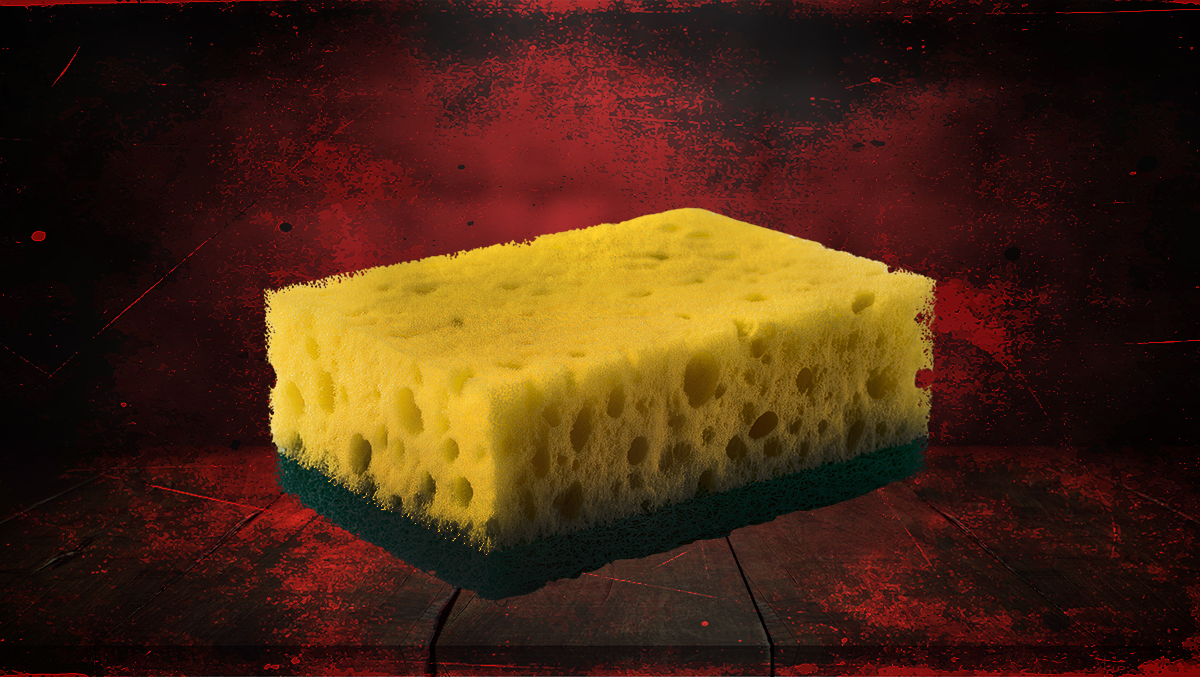
The gunk that seems to inevitably proliferate in our household appliances, from dishwashers to air conditioners, could be home to tiny organisms unknown to science—and with potentially very useful futures. The severe conditions in many of these appliances welcome extremophiles, organisms that persist in harsh environments.
Extremophiles have been found everywhere, from miles within the Earth’s crust to Antarctica. Scientists are now finding that some have traits that could help us clean up our bigger messes, by sequestrating carbon and breaking down heavy metals and industrial chemicals. But they need help in finding more of these mini marvels: They want people to hunt within our homes for these hardy creatures.
Aspiring amateur scientists can pitch in to The Extremophile Campaign: In Your Home, a project launched by Colorado State University and partners last fall. The team includes James Henriksen, a microbiologist at Colorado State University who helped discover a helpful strain of cyanobacteria lovingly nicknamed “Chonkus”—which was found in carbon dioxide-rich volcanic ocean vents off the coast of Italy. Chonkus can quickly eat up carbon dioxide, and it sinks in water, so it could be wielded for future carbon sequestration projects.
Henriksen and his colleagues are asking participants to search for signs of microbe communities, such as slime, crusty mats, and stringy bits. Essentially, look for “those kinds of things that normally you’d be like, ‘Let’s clean that,’” said Sarah Newman, director of operations at CitSci.org, the campaign’s web platform, in a statement. And pay close attention to spots that are hot or cold, or fluctuate between wet and dry, she said. If you’ve found something interesting, you can upload a photo and fill out an online survey.
If the researchers want to get into the nitty gritty of your grime, they’ll provide you with a collection kit to send back for DNA sequencing. So far, Henriksen thinks his team has already found new species because they’re flourishing in “unique” environments, according to a press release.
You can peruse for useful goo outside of your home, too. Carbon dioxide-rich natural springs in western states such as Colorado and California can contain microbes that extract lots of carbon dioxide from the water and air. If you notice odd features in a spring, such as brown goo on rocks or green slime floating in water, you can also contribute to the team’s newly launched In the Wild extremophile campaign.
Whether they’re lurking in your kitchen or bubbling in a nearby spring, your detective work could be key to uncovering the microbes of the future. 
Lead image: Croaker / Shutterstock