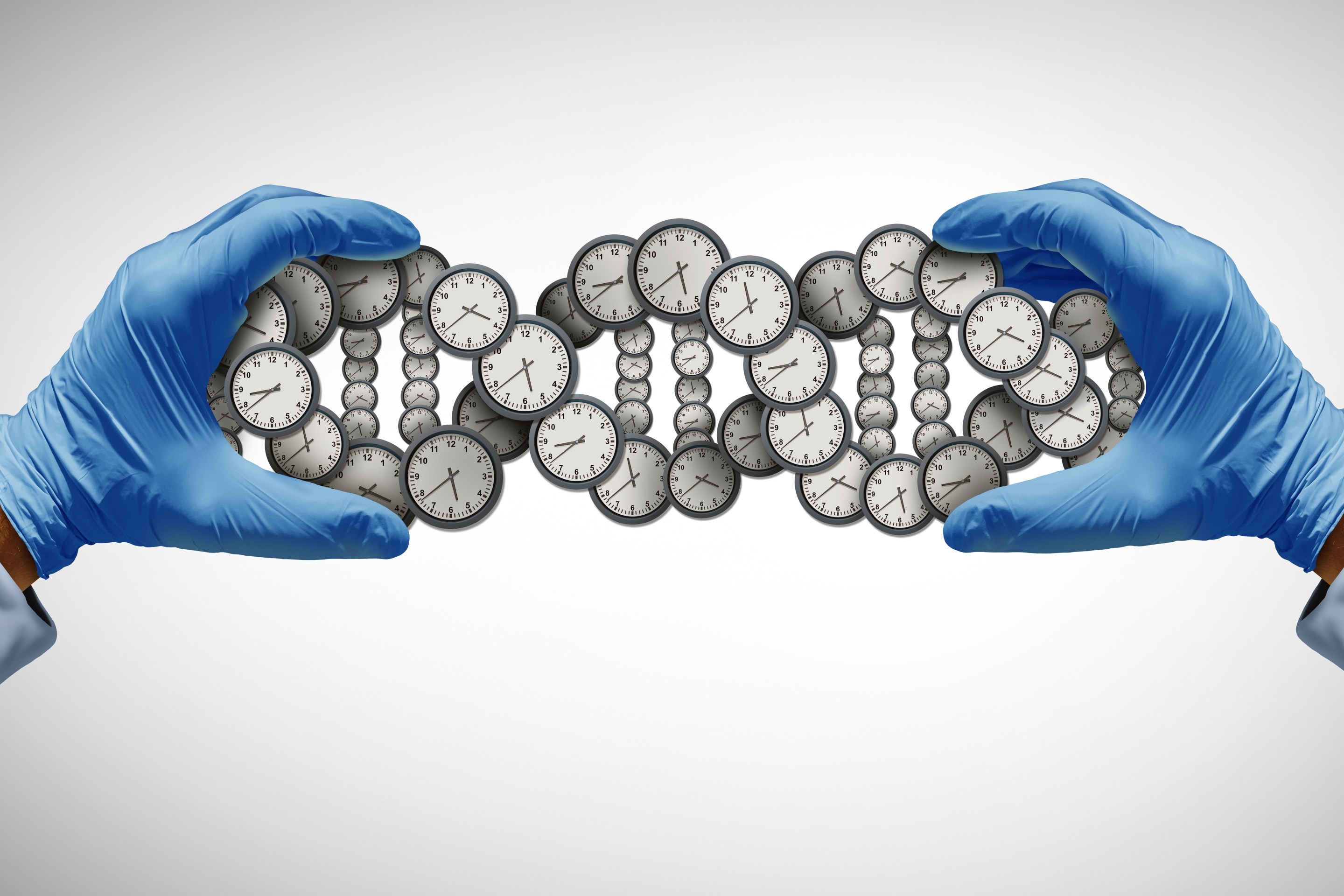
Almost everywhere you go, you leave a bit of yourself behind—a hair, a fingernail clipping, a bit of skin, a few skin cells from your lips on a drinking cup. For a long time, that trace of you was little different from any other refuse—useless waste swept up into a garbage can, where it belonged. But as DNA technology gets better, that left-behind piece of you could take on a life of its own.
For you or me, this might seem like an idle fear. Aside from the occasional art project, the chances of someone going through the trouble of collecting and sequencing a stranger’s DNA is extremely low. But for world leaders, the traces they leave behind might take on far more importance.
Last year, a long piece in The Atlantic outlined some ways in which discarded DNA could potentially become a weapon—especially when it comes to VIPs like major politicians, celebrities, or corporate bosses. It argues that as DNA collection and sequencing becomes cheaper and easier, and as we get more and more insight into what those genes mean, we’re opening the door to a whole new kind of weaponry. The authors say that with the DNA of a sitting U.S. president, terrorists could do anything from “fabricate evidence of an affair, fuel speculation about birthplace and heritage, or identify genetic markers for diseases that could cast doubt on leadership ability and mental acuity.” With a person’s DNA, someone with the right tools might be able to find or engineer microbes that could harm or kill a specific VIP; with a sample of living cells, they could potentially create a biologically related “love child” without the donor’s participation or knowledge. These scenarios are not possible today, but with genetic technology increasing by leaps and bounds, they may not be for long.
The U.S. government is well aware of these futuristic-sounding scenarios. According to the 2009 book In the President’s Secret Service, whenever the president travels, his team collects and sanitizes or destroys bed sheets, drinking glasses, and anything else the president touches. In China, when leaders left water bottles behind at press conferences and journalists snatched them up, many raised questions of security. There are stories of Kim Jong-Il having his feces and urine shipped back to North Korea during foreign trips to keep people from getting their sequencers on his DNA. And in one of the cables released by WikiLeaks, the U.S. government directed its employees to find probing information on African leaders including “biographic and biometric data, including health…[and] facial images, DNA, and iris scans.”
The law, at least in the U.S., is unlikely to provide much relief (pdf) to people concerned about the privacy of their DNA. The genetic material you leave in a trail behind you is called “abandoned DNA,” and it’s currently treated just like the umbrella you leave at the restaurant—whoever finds it can claim ownership. In nearly every place in the United States, this kind of DNA acquisition is not a crime. In a handful of cases, which looked at everything from a licked envelope to discarded cigarette butts to the DNA left on a milk carton, courts have overwhelmingly concluded that the DNA you abandon is not covered by the 4th Amendment’s protections against unreasonable searches and seizures. It is garbage. But it is garbage that has some remarkably personal, and potentially important, information in it.
Even with a team cleaning up after him, obtaining DNA from the president really wouldn’t be that hard. Nobody can entirely keep from leaving DNA behind, not even with the Secret Service picking up each fork you bring to your mouth. It just takes one napkin, one water bottle, or one flush to provide enough genetic material to sequence. And collecting it isn’t a crime. There are neither legal nor practical ways to keep people from gathering other people’s DNA and sequencing it. Which could become a problem, when one person’s trash is another person’s genetic treasure.
Rose Eveleth is Nautilus’ special media manager.