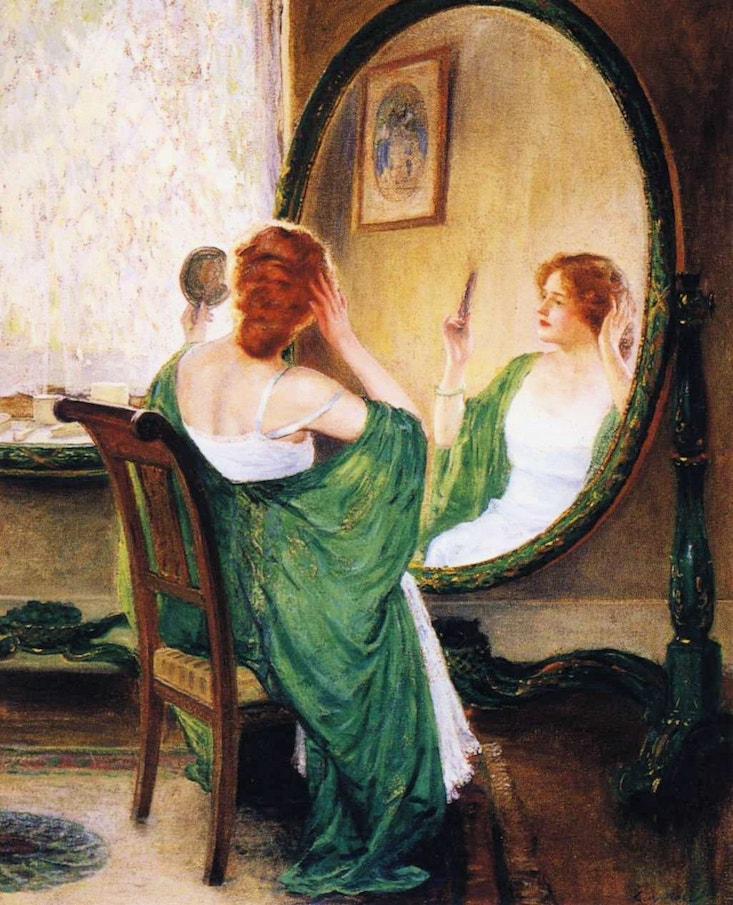
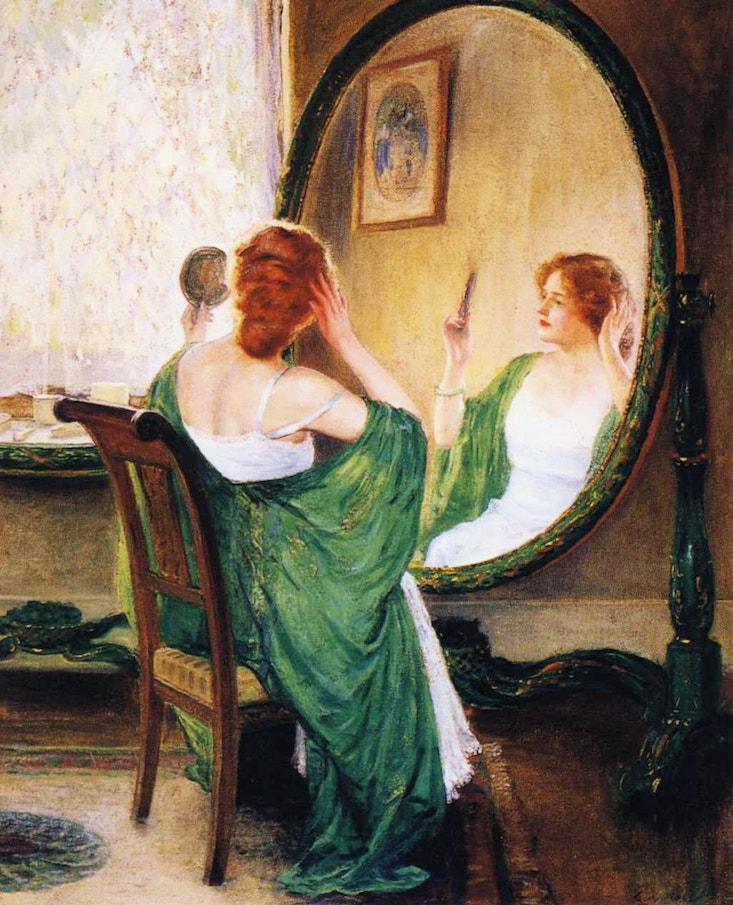
There’s the full-body bedroom mirror, the bathroom mirror, and the trusty living-room mirror, the one closest to the front door—the last one I look at before presenting myself to the outside world: Does the hair look okay? Is my face dry? Will that pimple be visible in different light?
For some people, that’s not where the self-assessment ends. The reflective screen of a smartphone can be seen doubling as a portable mirror in subways, on city sidewalks, in class. “College students in particular perhaps spend a lot of time doing this, so this is a judgment that we ought to be pretty good at!” Nicholas Epley, a behavioral scientist at the University of Chicago, told Nautilus’ features editor Kevin Berger. “We should know whether somebody else is going to judge us to be attractive or not.”
That’s the intuition, at least. Epley wondered if it holds up. In one of his experiments, he asked undergrads to sit in front of a picture he’d just taken of them and had them predict, on a zero to 10 scale—the former being “not at all attractive” and the latter being “very attractive”—how good-looking a member of the opposite sex would find them. Two members of the opposite sex then rated the person on the same scale. Epley found that the predictions were not significantly better than chance. Your guess of how attractive you are to others is almost as good as anyone’s. As Epley said, “Those people had no clue about how attractive they were, seen in the eyes of others.”
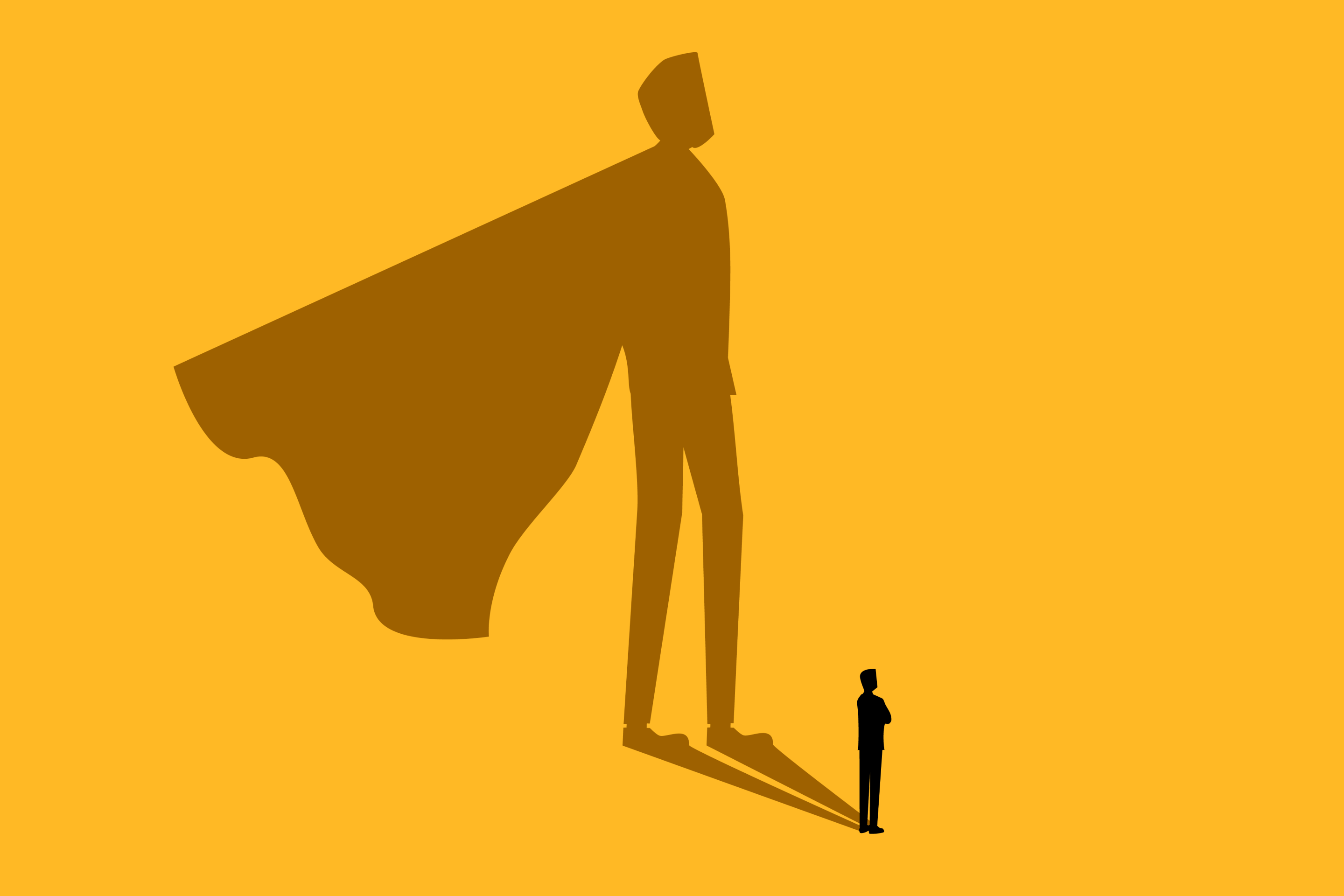
Why are we such bad judges of how others see us? Epley’s answer is that other people are novices about us, while we’re experts.
“If you’re an expert mathematician, you can look at a formula and notice all of its intricacies in a way that a novice can’t,” he said. “The same is true with yourself…Novices don’t pay that much attention to detail. They’re not judging you based on how much better you look today than you did yesterday or this picture compared to another; they’re judging you compared to other people. Whatever the comparison may be, it’s a much higher level perspective. You’re looking at yourself with a microscope, they’re looking at you with their naked eyes; and if you’re looking at the same thing with different lenses, you’re going to have a hard time anticipating or knowing what another person thinks of you.”
Brian Gallagher is the editor of Facts So Romantic, the Nautilus blog. Follow him on Twitter @brianga11agher.