Skip to Content
Advertisement
History

40 Years Ago, Oceanographers Found the Wreckage of the RMS Titanic

The maritime disaster of 1912 wasn’t fully understood until the shipwreck was rediscovered

7:00 AM CDT on September 3, 2026

This week in 1985, oceanographers Jean-Louis Michel and Robert Ballard made a discovery of untold cultural impact: the wreckage of ill-fated oceanliner RMS Titanic

Featured Video

The pair found the ship some 73 years after it collided with an iceberg and sank to the bottom of the Atlantic. The wreckage ended up around 12,500 feet under the surface, about 370 miles from the coast of Canada.

Finding the long-lost ship wasn’t a simple task. For one, sonar scanning didn’t work, so Michel and Ballard decided instead to look for the debris that had spilled out of the Titanic, guessing (correctly) that this would cover a much wider area than the actual wreck. After a week of seeing nothing, the Titanic’s boiler was spotted on September 1st, and the researchers followed the debris trail back to the ship.

Read more: “The Iceberg Cowboys Who Wrangle the Purest Water on Earth”

Advertisement

The discovery immediately told us a lot more about the events of April 1912—including the fact that the ship had split into two as it sank. What’s more, many of the interiors toward the bow of the ship were in surprisingly good condition.

Numerous proposals have been put forth to try and raise the Titanic—some of which involved magnets, balloons, and ping-pong balls—but very few got past the drawing-board stage. Now considered too fragile to move, the Titanic wreckage is protected by a UNESCO convention and a joint U.S.-U.K. agreement.

The first-class dining room, before disaster struck. Credit: John Bernard Walker/An Unsinkable Titanic
Some parts of the Titanic were incredibly well-preserved underwater—like the bathtub in the quarters of Captain Edward Smith. Credit: Lori Johnston/RMS Titanic Expedition 2003/NOAA-OE
Advertisement
The promenade along A Deck, a day into the Titanic’s first and last voyage. Credit: Francis Browne/Wikimedia Commons
More rusticles covering the starboard side anchor as the metal of the wreck is slowly dissolved by the sea. Credit: Lori Johnston/RMS Titanic Expedition 2003/NOAA-OE
The Titanic docked in Southampton, getting ready to set sail. Credit: Wikimedia Commons
Another photo of rusticles covering the wreck, this time hanging from the stern of the ship. Credit: Lori Johnston/RMS Titanic Expedition 2003/NOAA-OE
Advertisement
One of the structures on the deck of the Titanic. Credit: RMS Titanic Team Expedition 2004/ROI/IFE/NOAA-OE
Part of the Titanic’s anchor machinery. Credit: RMS Titanic Team Expedition 2004/ROI/IFE/NOAA-OE
Survivors on the last lifeboat off the Titanic—official figures say 712 out of 2,208 passengers and crew were saved. Credit: Louis Ogden/Wikimedia Commons

Enjoying Nautilus? Subscribe to our free newsletter.

Advertisement

Lead Image: NOAA/Institute for Exploration/University of Rhode Island
Advertisement

Stay in touch

Sign up for our free newsletter

Related Stories

This Viking Dress Survived for 1,300 Years, Protected by Its Metal Ornaments

Such delicate textiles typically decompose within a few years

August 31, 2026

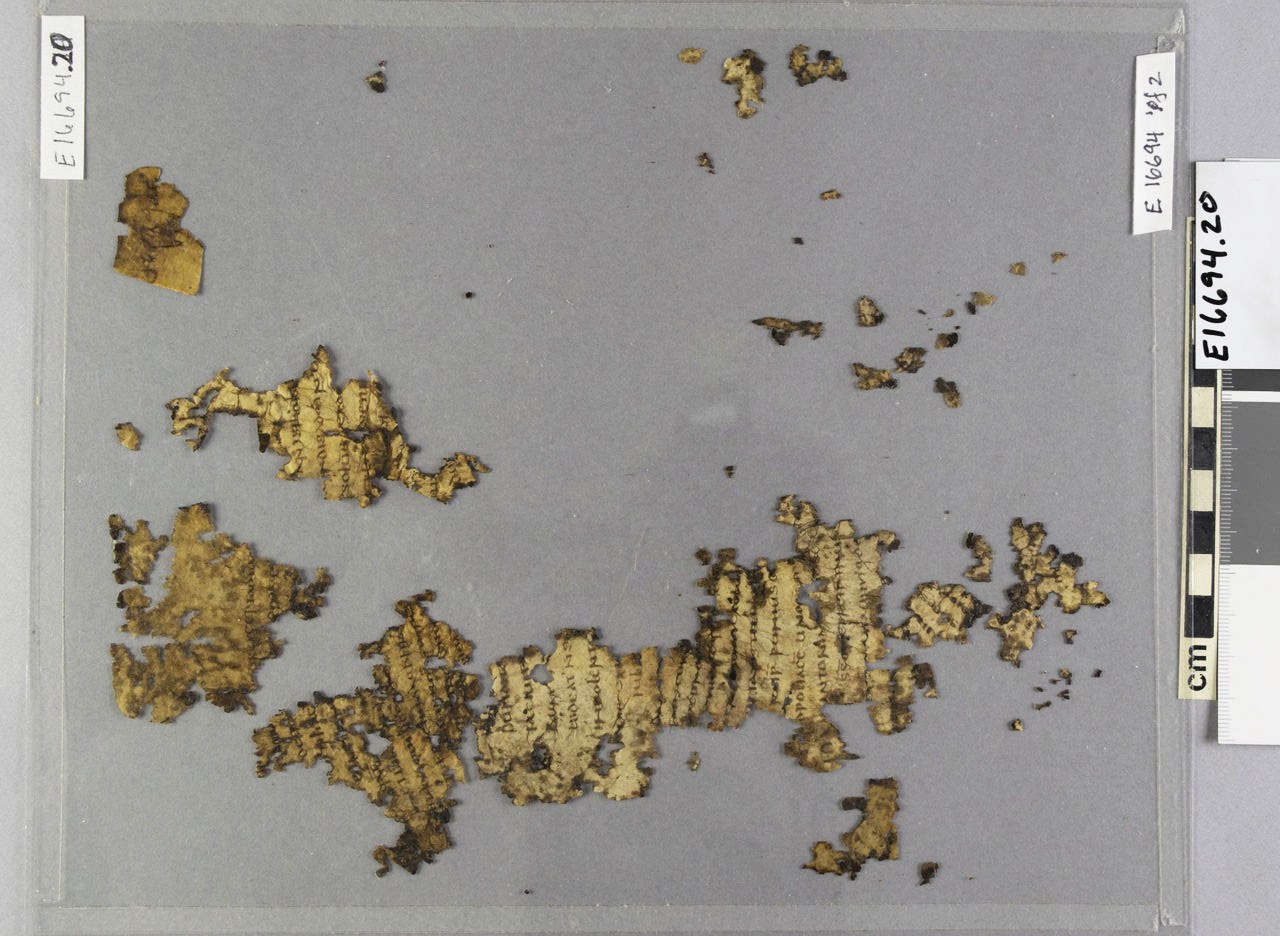
An Expert Pieced Together This Roman Document Like a Jigsaw Puzzle. You’ll Never Guess What It’s About

Classics researchers think it was part of a reference booklet traveling officials carried with them

August 31, 2026

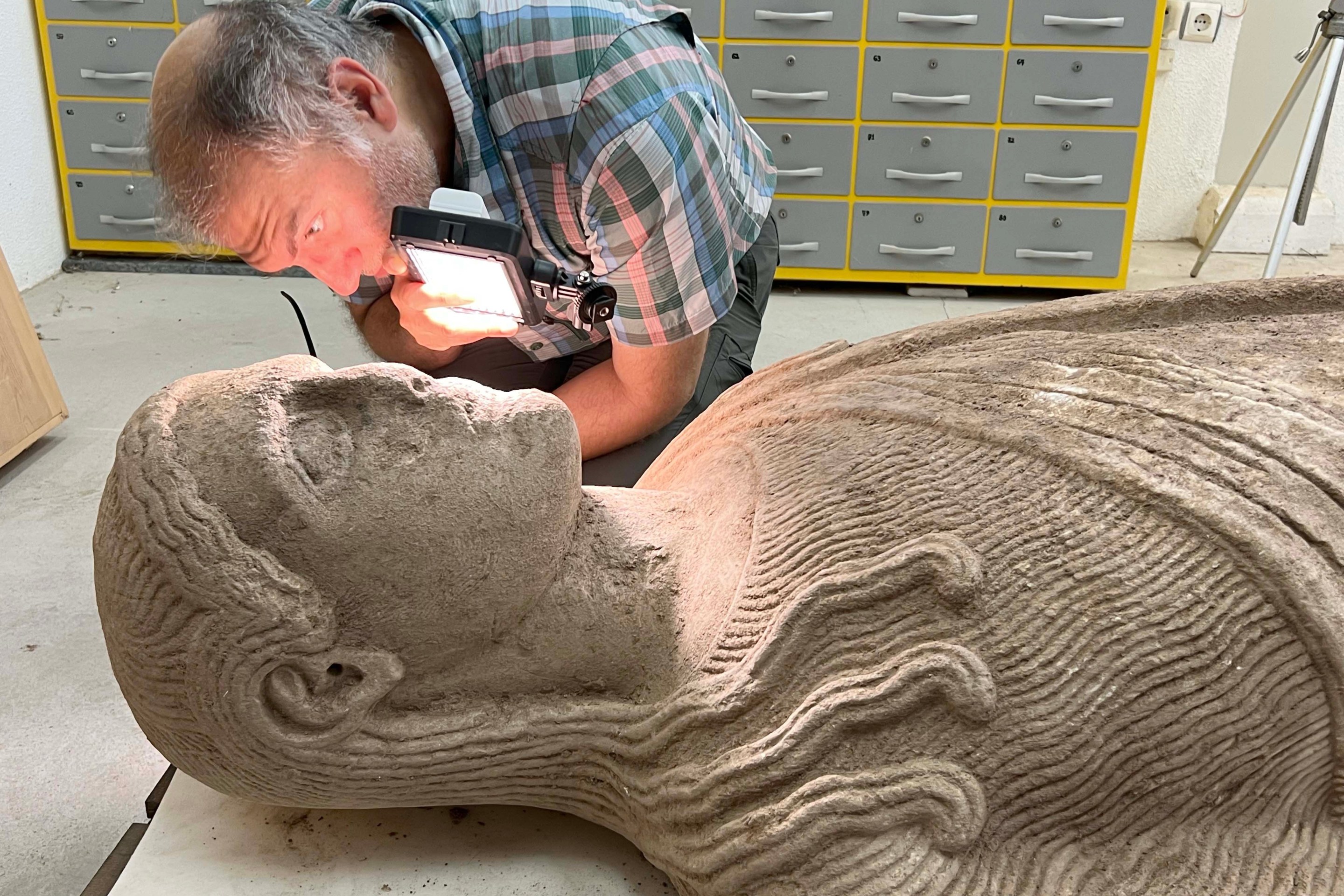
Archaeologists Just Found a Fascinating Ancient Statue—Used as a Paving Stone in a Roman Road

The statue dates back 2,500 years, and offers researchers clues about the culture of the period

August 27, 2026

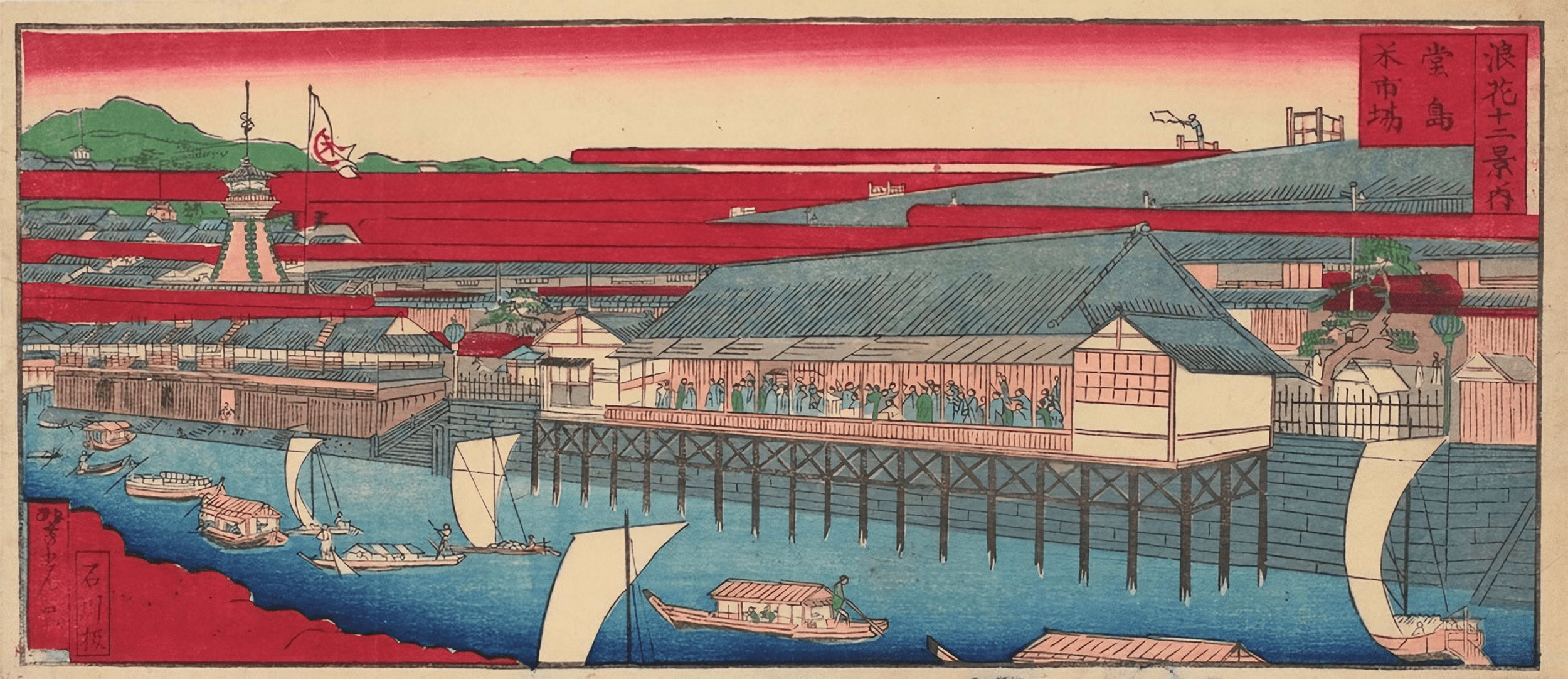
The Kitchen of the Realm: Even the Commoners Ate Well in Ancient Osaka

But their dental hygiene may leave something to be desired

August 26, 2026

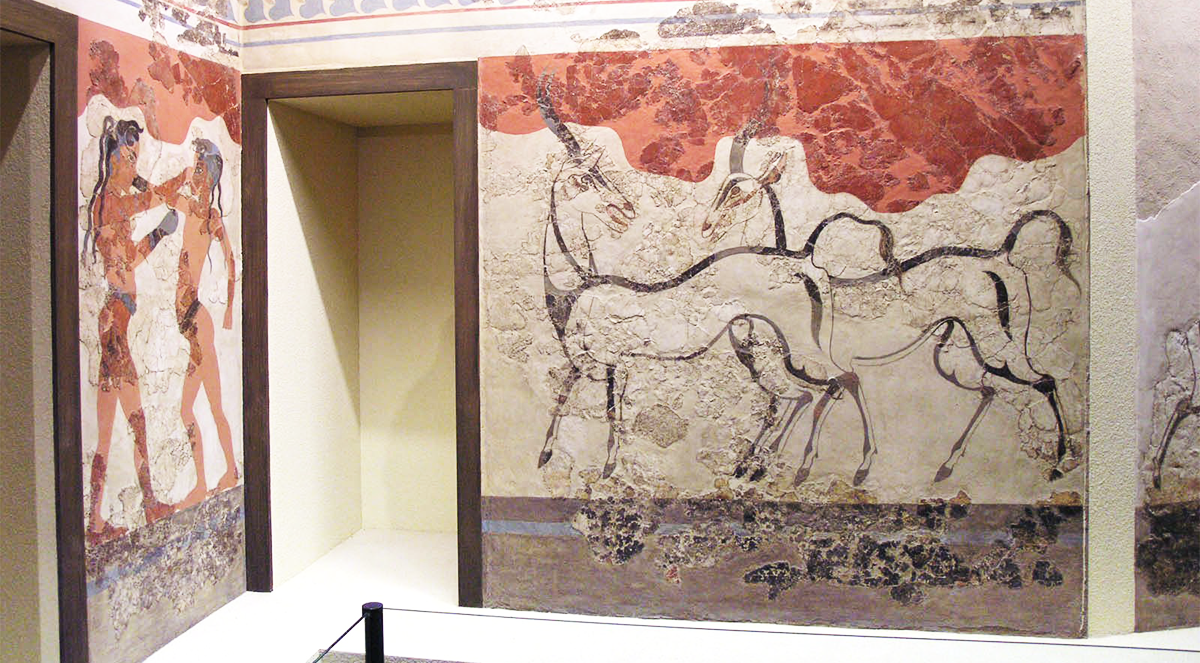
A Peek Inside the Pompeii of Greece

It’s a treasure trove of Minoan art and antiques

August 21, 2026

How the Ancient Greeks Interpreted Their Dreams

Certain concepts such as metaphor may derive from early dream interpretation

August 20, 2026