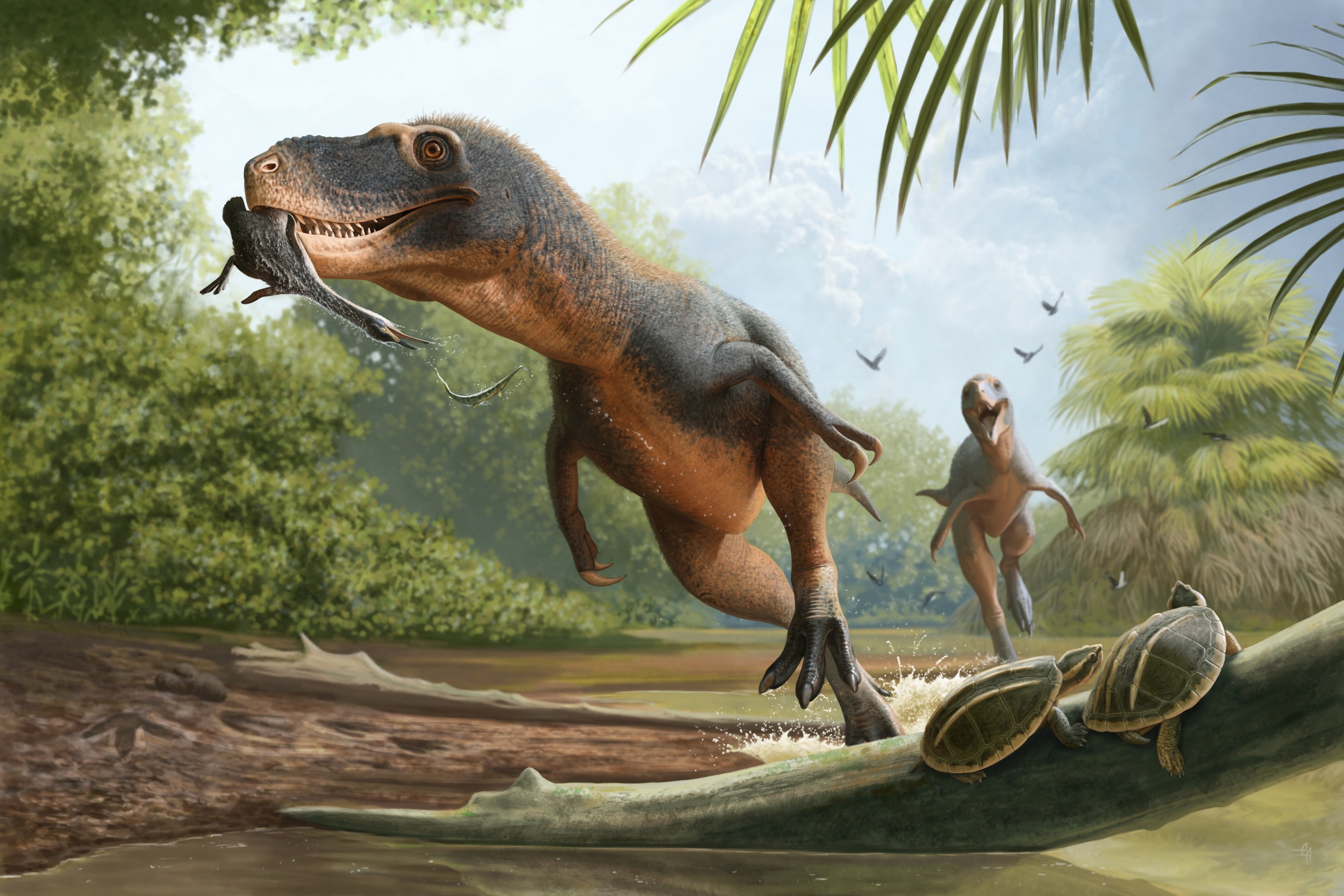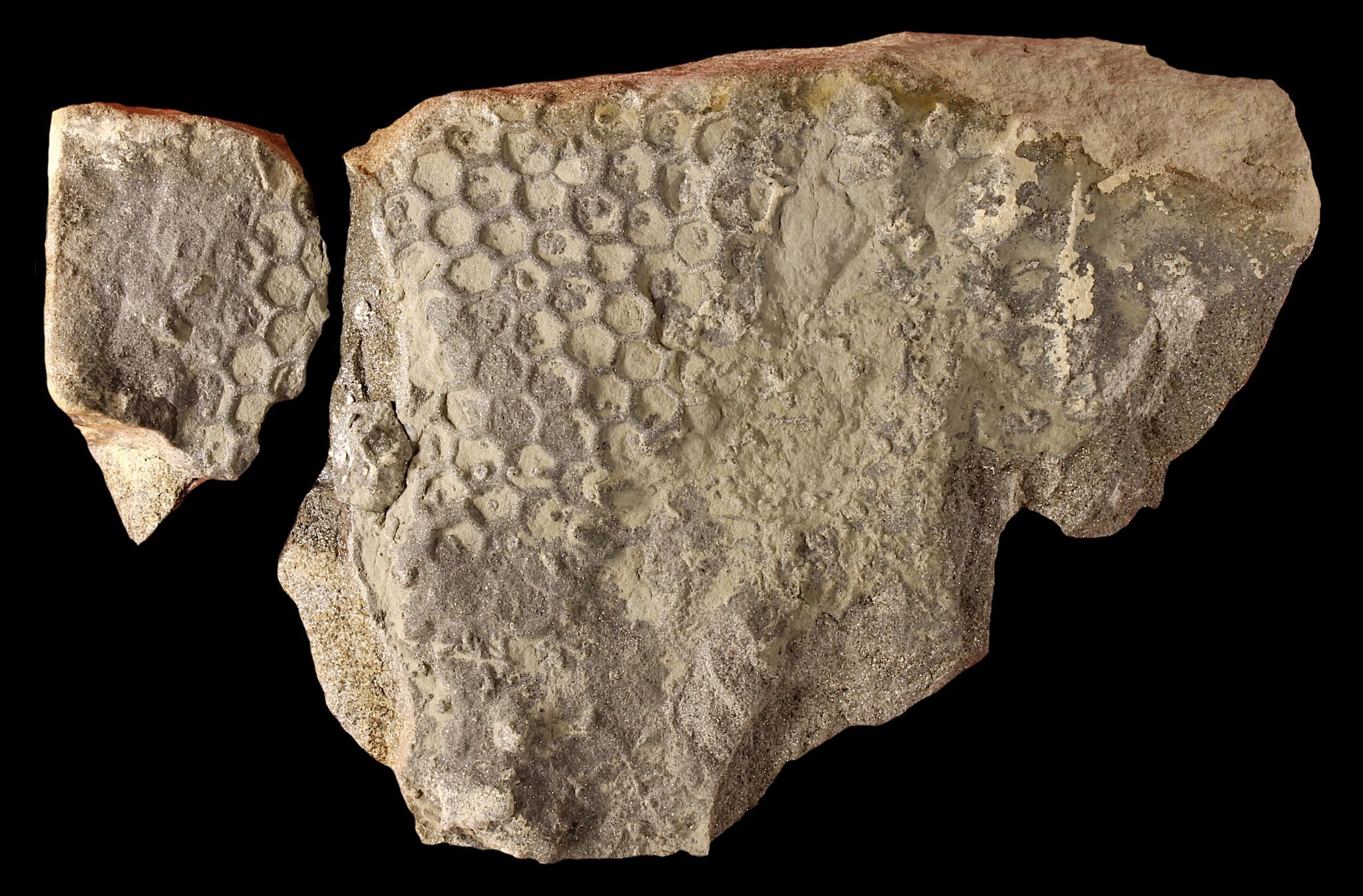
The closest thing we have to a real-life Jurassic Park is the Morrison Formation, a sprawling deposit of fossil-rich sedimentary rock dating back to the Jurassic Period spanning several Southwestern states. While the dinosaurs unearthed there have captivated paleontologists for over a century, they’re only now starting to get a fuller picture of the ecosystem they thrived in.
Paleontologists led by Cassius Morrison of the University College London used data from the Morrison Formation to assemble a Jurassic food web. By analyzing the wear and tear of dinosaur teeth, the chemical composition of their remains, and even the fossilized remnants of their last meal, the team was able to reconstruct the ecological connections between the species. They published their findings in the New Mexico Museum of Natural History and Science Bulletin.
So what was on the Jurassic menu?
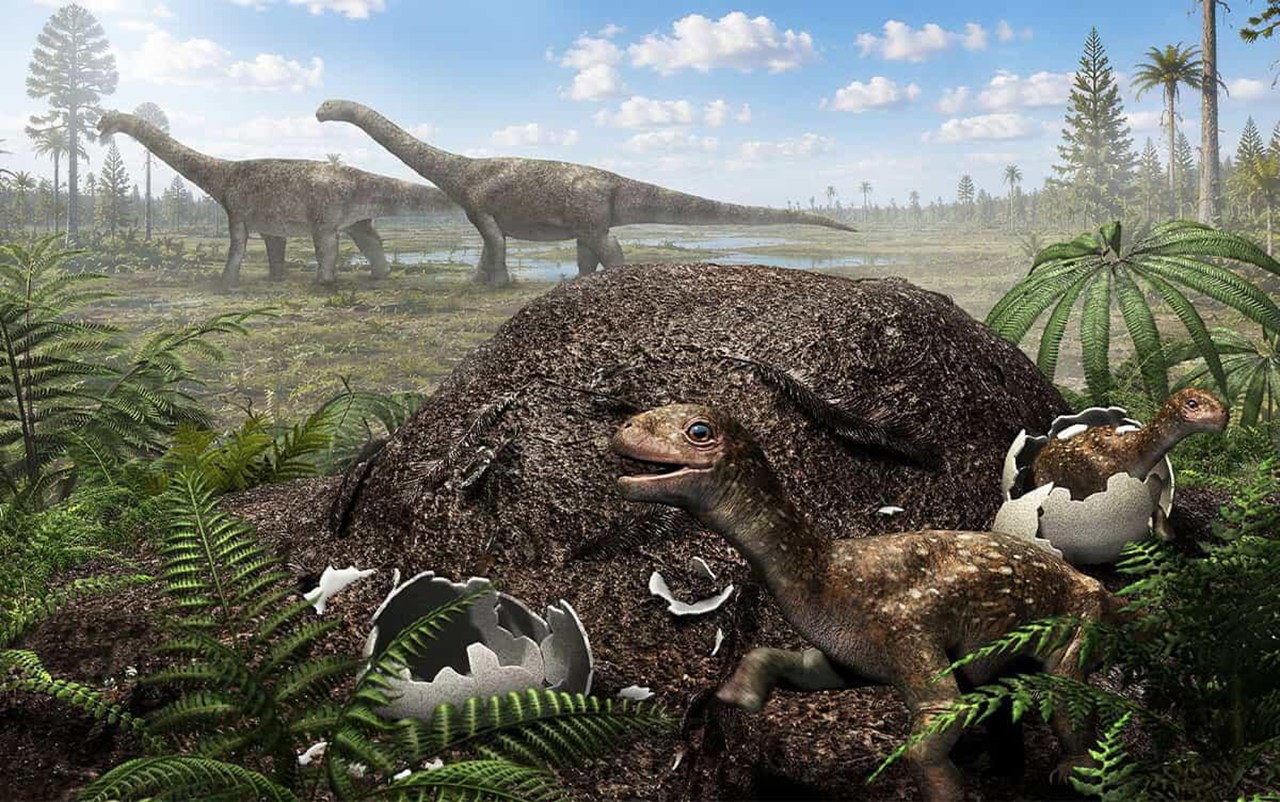
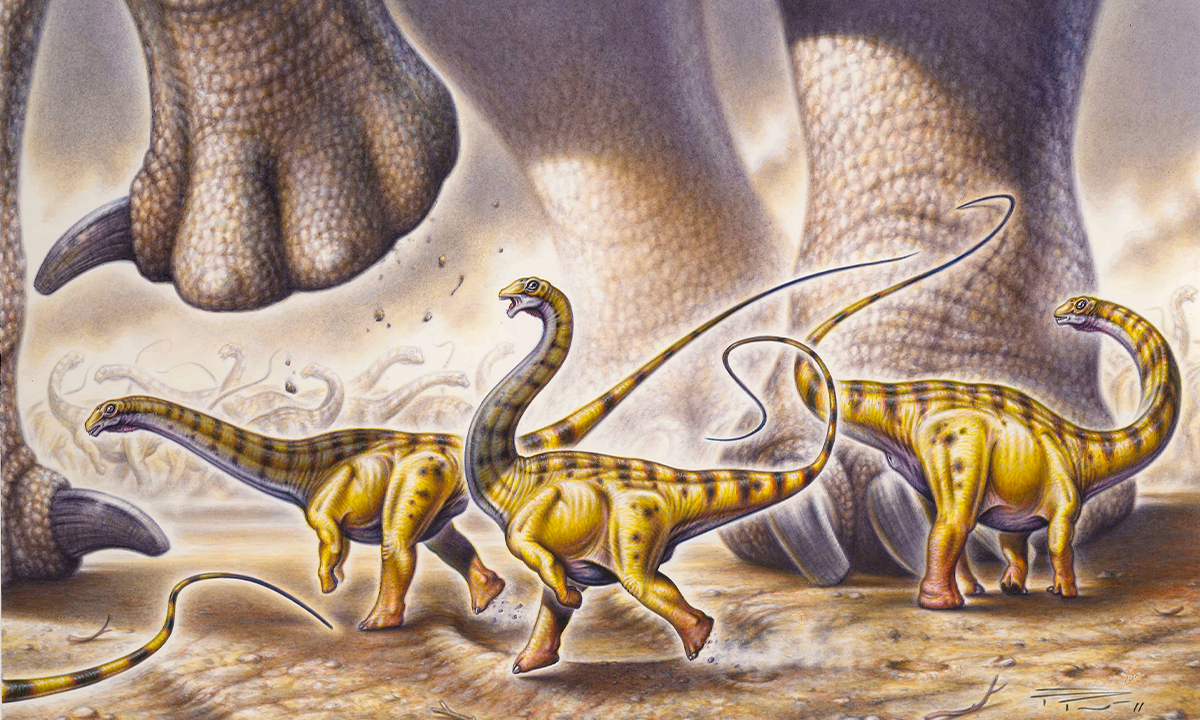
In a blow to anyone who grew up watching The Land Before Time, the team found that helpless baby sauropods were a vital food source for several species. Although these long-necked behemoths were among the largest land animals to ever live, they started their lives relatively snack-sized and free from parental supervision, an irresistible combination for Jurassic predators.
Read more: “T. Rex Was a Slacker”
“Size alone would make it difficult for sauropods to look after their eggs without destroying them, and evidence suggests that, much like baby turtles today, young sauropods were not looked after by their parents,” Morrison said in a statement. “Life was cheap in this ecosystem, and the lives of predators such as the Allosaurus were likely fuelled by the consumption of these baby sauropods.”
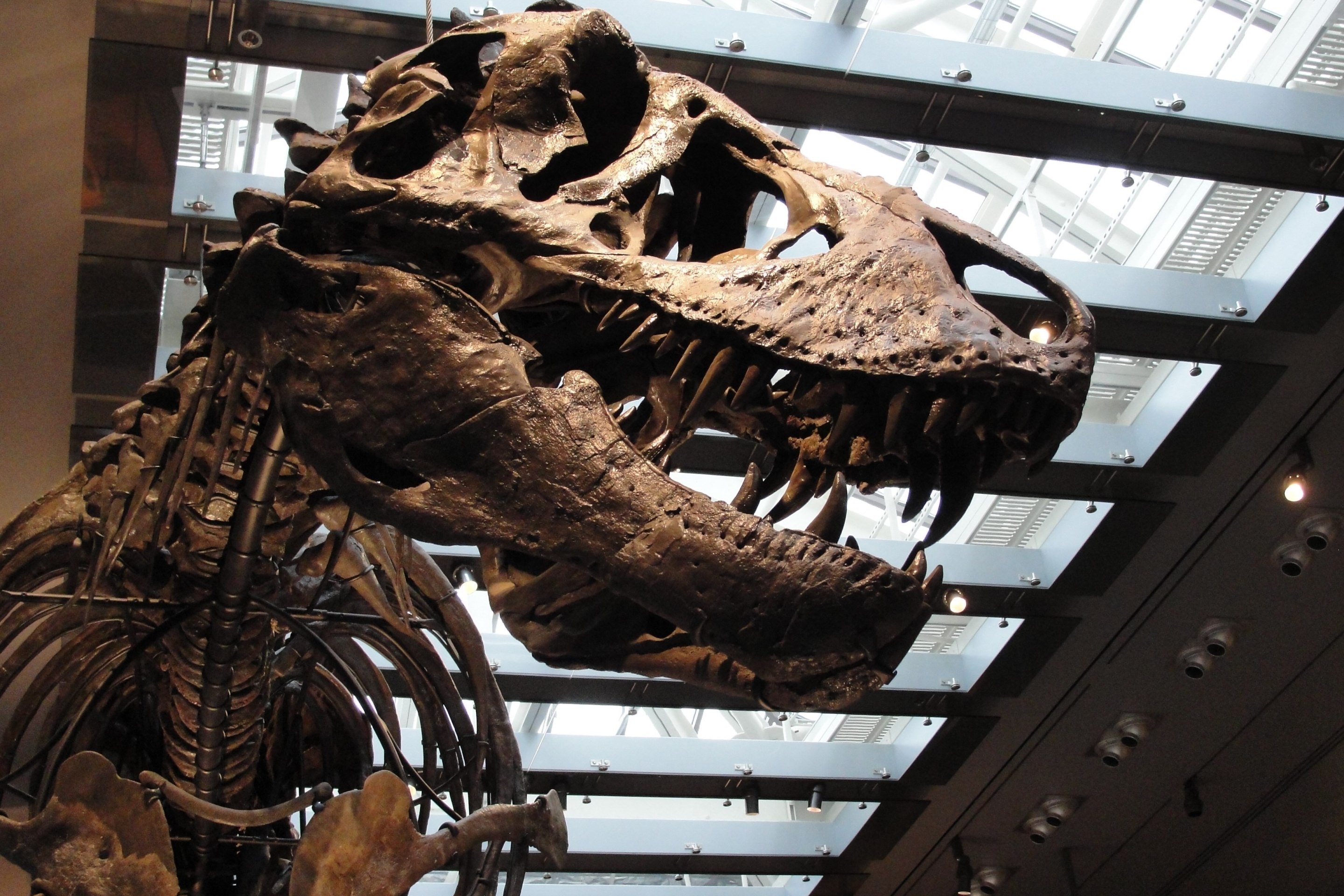
The team also said that dwindling sauropod numbers 70 million years later may have provided the ecological pressure that led to the Jurassic’s most famous killing machine: Tyrannosaurs rex. According to the team, as sauropod populations declined, larger prey may have become more attractive, paving the way for adaptations like stronger bite force, larger size, and better vision that allowed them to prey on dinosaurs like Triceratops. 
Enjoying Nautilus? Subscribe to our free newsletter.
Lead image: Fabio pastori / Wikimedia Commons.