Humans started brewing alcohol for consumption thousands of years ago, and researchers have suggested that our ability to break down booze in our bodies has evolutionary roots dating back millions of years. Alcohol, known to scientists as ethanol, occurs naturally throughout nature, when microbes like bacteria and yeast break down sugars. This process of fermentation, harnessed by humans since ancient times, has given us the gifts of cheese, pickles, and wine, among other delights.*
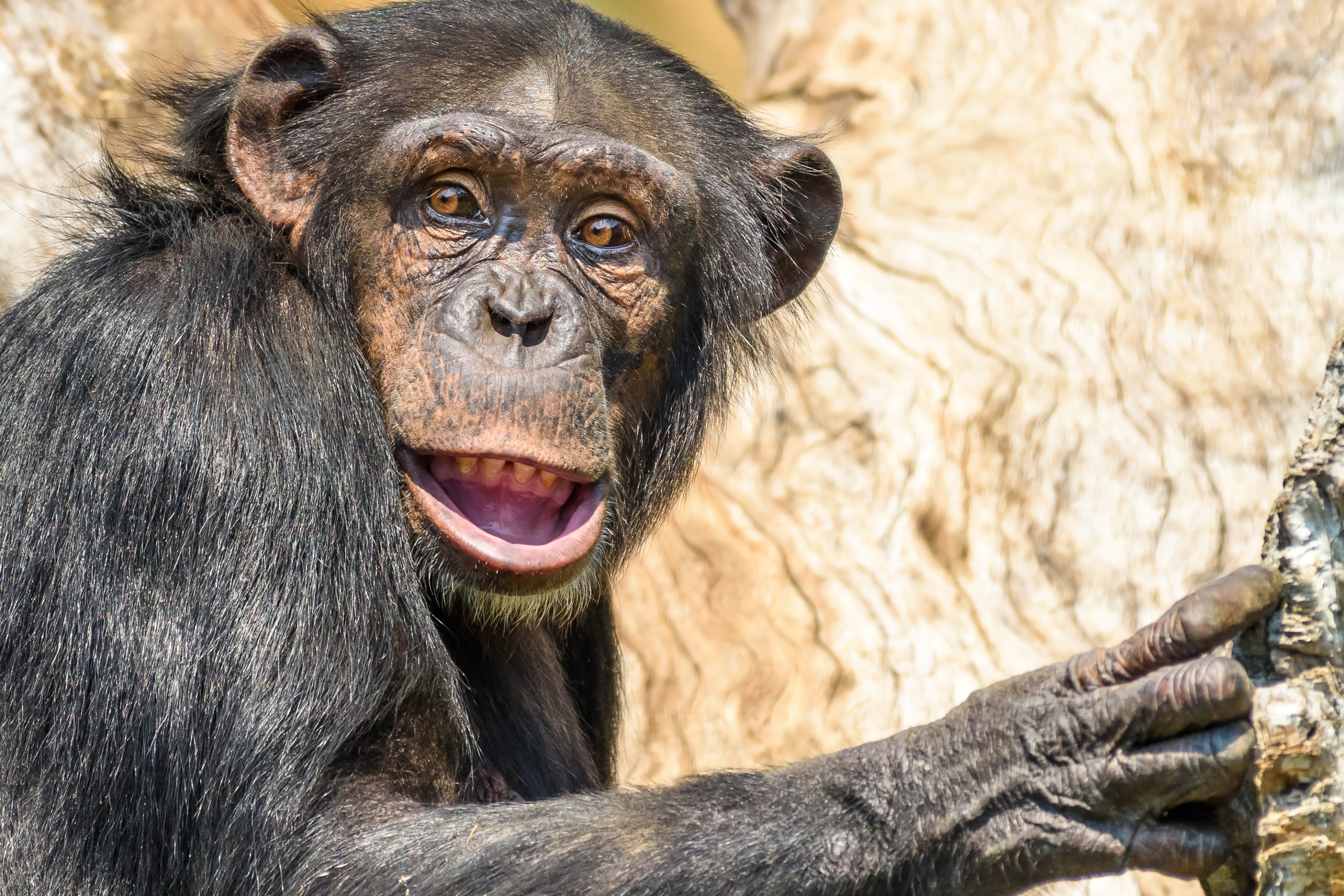
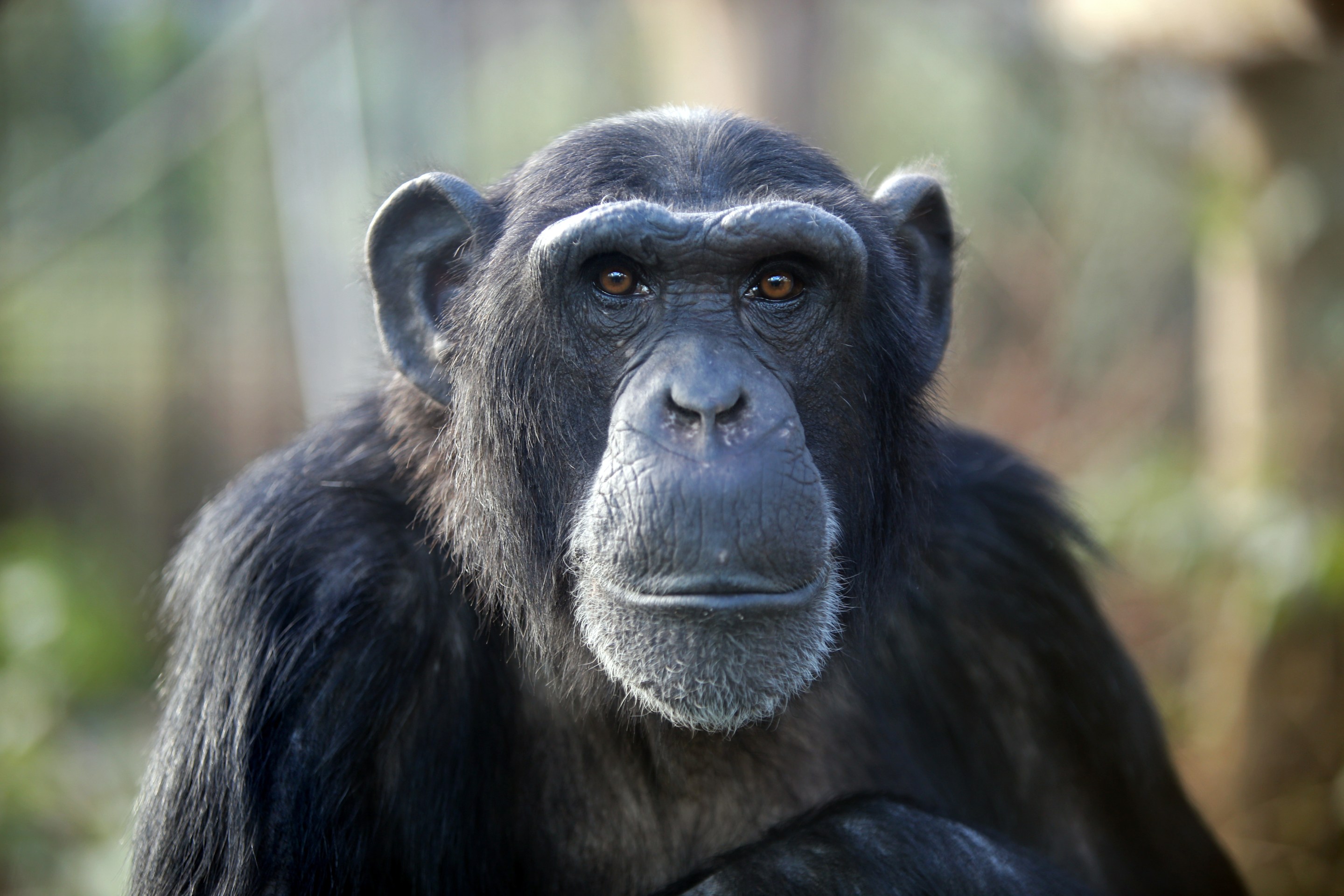
But humans are far from the only creatures that imbibe—aye ayes, a species of lemur, will seek out nectar with a higher alcohol content, and spider monkey urine has been found to contain secondary metabolites of alcohol. Wild chimps, with whom humans share over 95 percent of our DNA, were caught on film snacking on fermenting fruit with their buddies earlier this year.
It’s like having a third of a beer at breakfast, lunch, and dinner.
Now, for the first time, researchers have discovered just how much alcohol some chimps are getting out of their fermented fruit snacks. In a new paper published in Science Advances, a team of scientists from the United States and the Ivory Coast reported that, in the course of a day, the wild chimps in their study consumed about 14 grams of pure ethanol. That’s about the equivalent, adjusting for body mass, of a human imbibing more than one standard drink a day, says University of California, Berkeley graduate student and study author Aleksey Maro.
“We can say, pretty officially, that animals are chronically ingesting ethanol, especially our chimpanzee relatives,” Maro says.
Maro and his colleagues made their discovery by following around wild chimps at two national parks in Africa—Kibale in Uganda and Taï in Ivory Coast—and scooping up test samples of 20 species of ripe fruits that the chimps typically like to eat. What they found is that these fruits have an average alcohol content of around 0.26 percent by weight. That might not sound like much, but primatologists at these locations estimate that chimps eat a whopping 10 pounds—or some 7 to 14 percent of their body weight—of fruit a day. The apes tended to prefer a fig called the Ficus mucuso at Kibale and the plum-esque fruit from Parinari excelsa trees at Taï. These treats were among the fruits with the highest alcohol content.
These chimps likely aren’t getting wasted.
Captive chimps are a bit different—these animals don’t eat as much fruit due to their more sedentary lifestyles, says Maro. The fruit they do eat comes from plants that are domesticated by humans to have a hearty shelf-life, and are less likely to ferment into boozy goodness.
But the big question—do chimps actually get drunk from their daily diet—still needs a bit of research. Maro is working on it. This summer, he spent time tracking down chimpanzee urine—catching it in an umbrella of sorts or using a pipette to gather it from a leaf—to see if the chimps were metabolizing the alcohol the way humans do. “If chimps are metabolizing ethanol in their liver, that means it's circulating in their blood and going to their brain as well,” he adds.
Considering that the average amount of alcohol the ordinary wild chimp is taking in each day would be equivalent in human terms to slurping a third of a beer at every meal, it’s unlikely the chimps are getting wasted, Maro says. But the findings still could have evolutionary implications for humans, whether that’s unpacking human attraction to alcohol or the risk of alcohol dependency from which millions of people suffer. Chimps' ability to get drunk is limited to how fast they can gobble up fruit, and how much they can fit in their stomach. For humans, these same limits don’t apply.
“Why are humans like this, why do we have the diseases that we have and the problems and the ailments?” Maro asks. “A lot of that can be answered with evolutionary medicine, or the intersection of medicine and the study of how humans evolved.” 
To read more on Nautilus about animals imbibing, check out our feature from Marco Altamirano, "Do Animals Get Drunk?"
Lead image: MoreVector / Shutterstock
*The original version of this story suggested tofu, while delicious, was fermented. This is not the case and in this version tofu has been replaced by pickles (also delicious), which are in fact fermented.