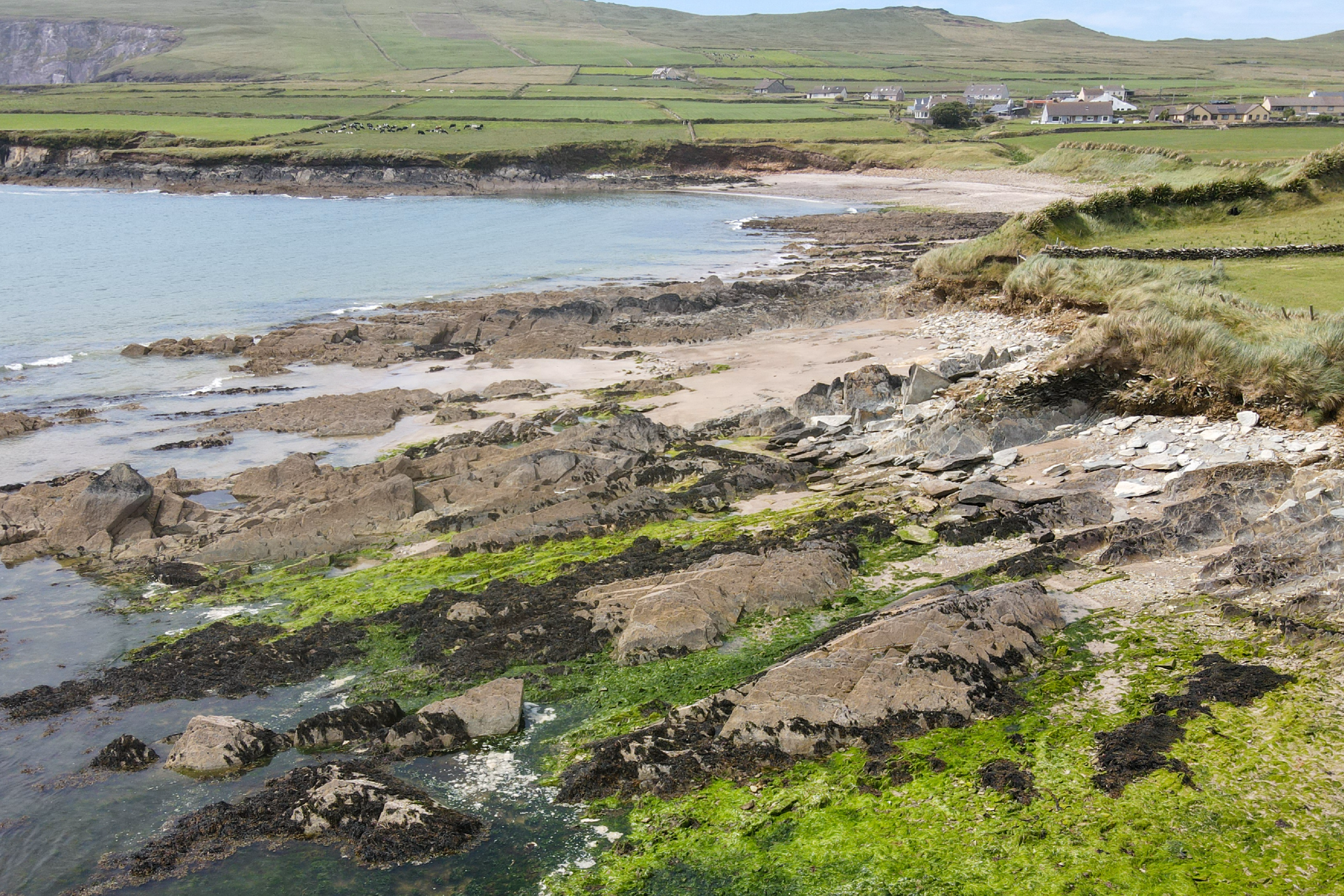
Around 40,000 years ago, a band of early humans rolled into the Iberian Peninsula, an area of Europe thought to have been a late Neanderthal holdout.
Researchers aren’t entirely sure what went down next. Past genetic studies suggest Neanderthals and early humans interbred in some regions, including eastern Europe and southwestern Asia, but it’s unclear whether this transpired on the Iberian peninsula, too.
To learn more about potential Iberian run-ins, as well as patterns of migration on the peninsula, a team of scientists from the University of Cologne in Germany ran a series of simulations that incorporated ancient climate data, along with archaeological evidence of Neanderthal and human presence at sites throughout the region.
Read more: “The Human Family Tree, It Turns Out, Is Complicated”
The scientists ran the model through several different scenarios: an early extinction of Neanderthals, a small Neanderthal population highly vulnerable to extinction, or longer Neanderthal survival that would enable them to mingle with our ancestors. Evidence of past climates, gleaned from sources including bogs and marine sediment, helped determine whether a specific region over a certain time period would be suitable for humans or Neanderthals. The time period was characterized by dramatic swings between cold and warm temperatures.
In each of the scenarios the researchers simulated, the Neanderthals were imperiled by climactic shifts. But there was still a small chance that the species might have maintained stable populations long enough to mate with humans. Overall, the model estimated a 1 percent chance of genetic mixing between the two species and a total of around 2 to 6 percent of all Neanderthals and humans possessing genes from both species. The findings were reported in PLOS One.
This fraternization was most likely to occur in the northwest of the Iberian peninsula, the model suggested. Here, modern humans might have settled in before the Neanderthals disappeared.
In future research, the team hopes to incorporate more information to make the simulations more realistic, including data on animals that could have served as prey—offering clearer insights into the possible interbreeding between our ancestors that survived and the ones that vanished. 
Enjoying Nautilus? Subscribe to our free newsletter.
Lead image: Alicia G. Monedero / Shutterstock