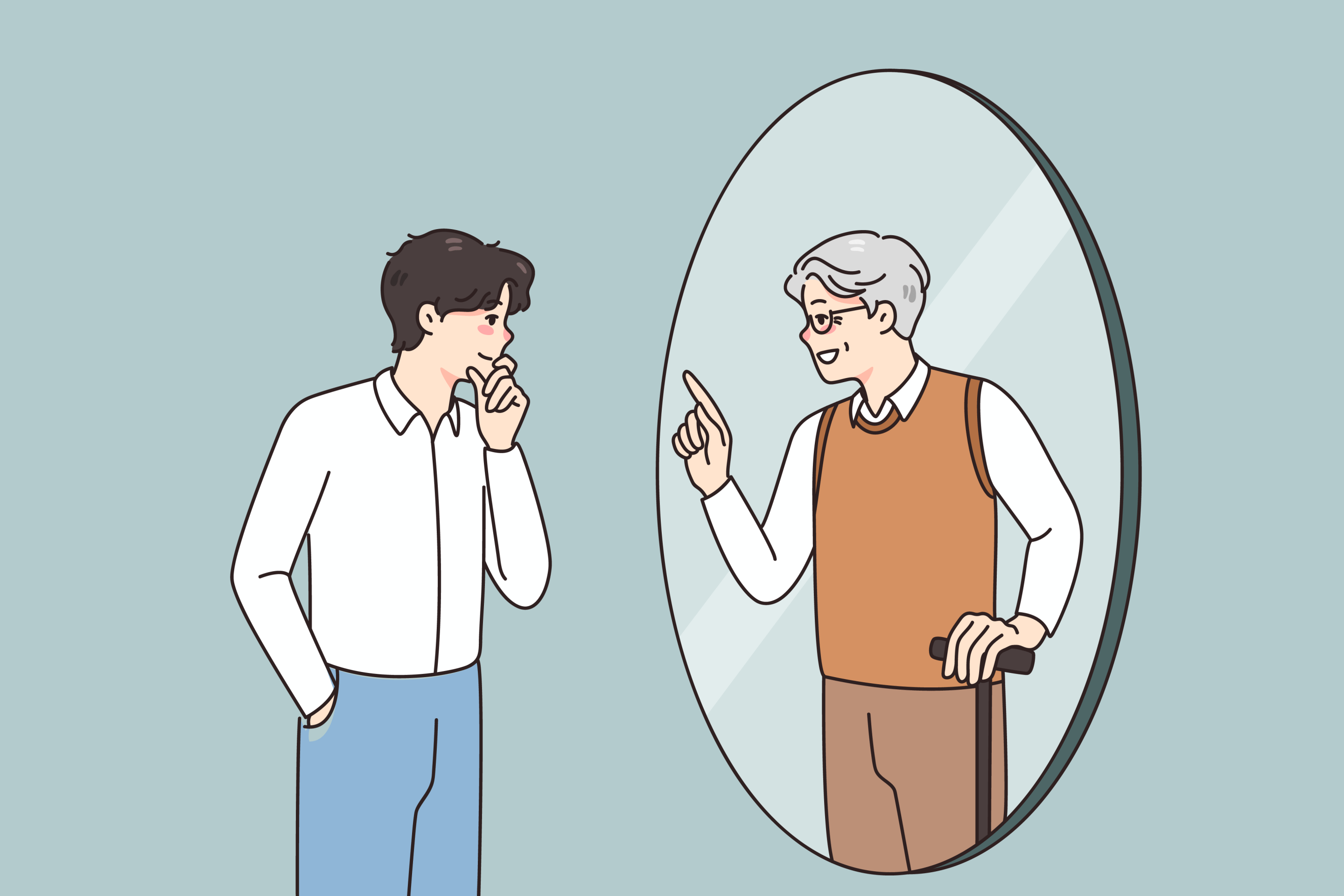
As our own personal timelines shorten, so too does our list of favorite tunes. At least, that’s what a group of researchers in Europe suggest. The scientists propose that as we transition into adulthood, the world of music opens up, and we seek out new genres, artists, and styles. But as we continue to age, our listening habits narrow, our explorations tending to be more informed by our personal histories.
“When you're young, you want to experience everything,” co-author Alan Said, computer scientist at the University of Gothenburg in Sweden, noted in a statement. “You don't go to a music festival just to listen to one particular band, but when you become an adult, you've usually found a style of music that you identify with.”
Said and his colleagues arrived at this conclusion after analyzing data from more than 40,000 users of last.fm, a platform that allows listeners to share their musical tastes as curated by streaming services like Spotify. Crucially, when someone registers on last.fm, they can enter their age, giving the researchers a way to connect listening habits to age. For the study, the team considered 15 years worth of data that captured more than 540 million plays of more than 1 million distinct songs.
The researchers found that younger listeners tended to seek out diverse musical inputs, but as people grew into middle age and beyond, they became more beholden to a narrower band of music, often with nostalgia as a central refrain in their listening. While older folks continued to seek out new musical experiences to some degree, they frequently returned to the musical styles that defined their youth. “Most 65-year-olds don't embark on a musical exploration journey,” Said added. The scientists presented their findings at an international computer science conference in June and recently posted a version of the paper, which is not yet peer reviewed, on the pre-publication site ArXiv.
The trends that Said and his co-authors reported may help fine tune and customize recommendation algorithms that suggest music to listeners on popular streaming platforms, such as Spotify or YouTube Music.
The study is also a welcome reminder that there is a virtually boundless universe of music out there, more accessible to contemporary humans than at any point in history. That makes for unprecedented opportunities to challenge these proclivities and discover a new and exciting song, no matter your age. 
Lead image: KurArt / Shutterstock