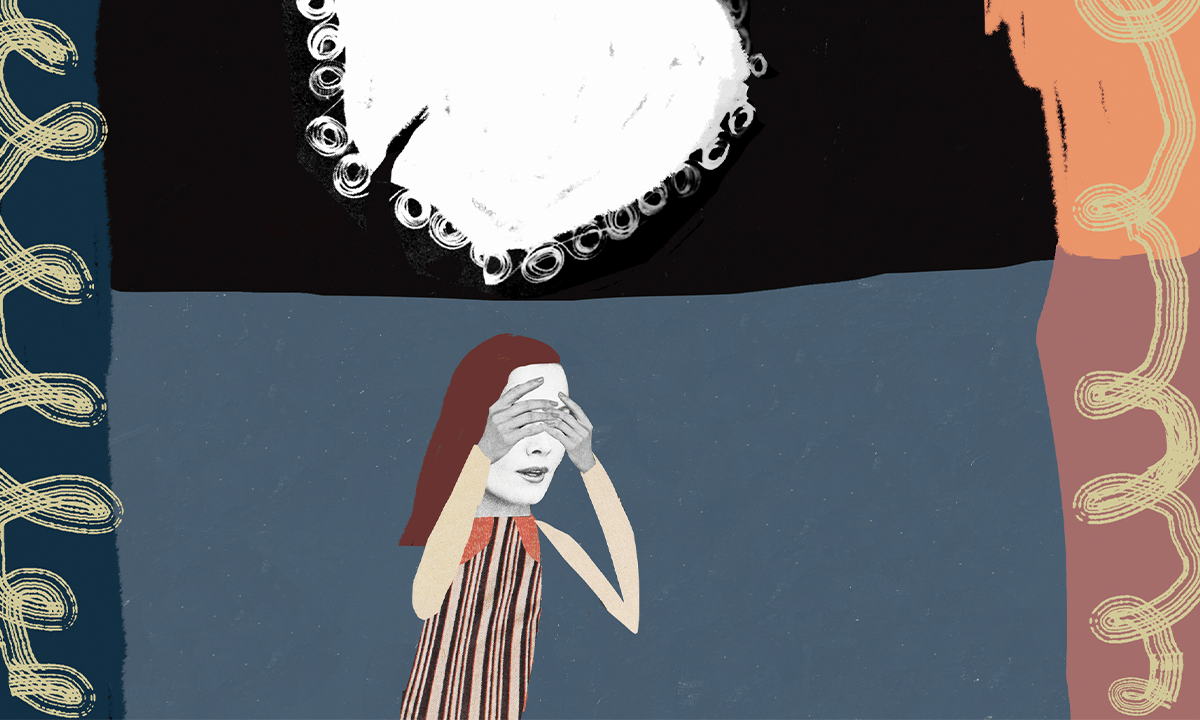
Both poetry and physics have a way of turning our expectations upside down—but direct intersections of the two are rare. This makes William Carlos Williams’ poem “St. Francis Einstein of the Daffodils,” which is excerpted below, special for two reasons: It is both an example of such an intersection, and a living testament to a remarkable period in the history of science, when we first realized that time and space were not what they seemed. The poem excerpt describes Einstein’s first visit to the United States, where he was received like a visiting dignitary bearing remarkable news:
April Einstein
through the blossomy waters
rebellious, laughing
under liberty’s dead arm
has come among the daffodils
shouting
that flowers and men
were created
relatively equal.
Oldfashioned knowledge is
dead under the blossoming peachtrees.
—Excerpted from “St. Francis Einstein of the Daffodils”
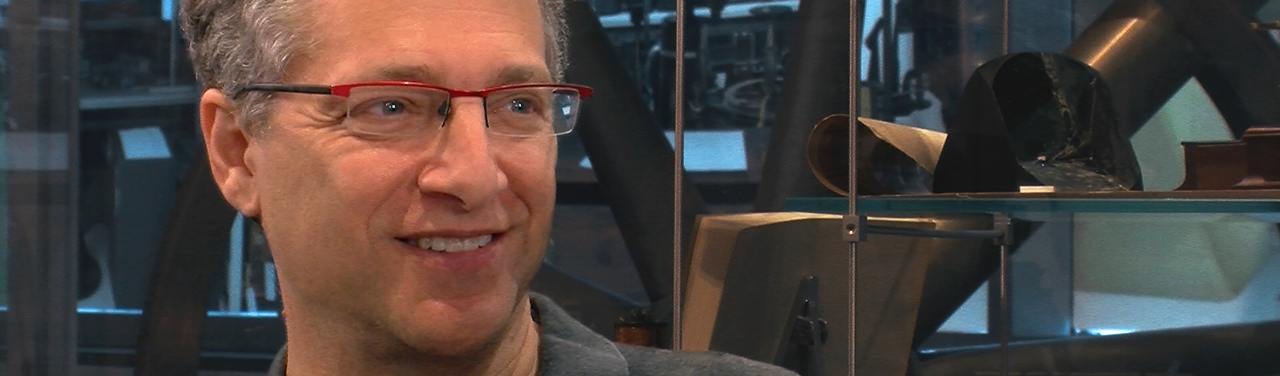
As Peter Galison, professor of the history of science and of physics at Harvard University, describes it, Williams was celebrating rebellion and renewal in both science and in poetry. This is just one of the ideas brought up in a wide-ranging conversation between Galison and Elisa New, a professor of English also at Harvard. The two preeminent scholars, brought together by Nautilus, remind us that art and science, the esoteric and the mundane, and the intuitive and the rational, are two sides of a single coin.
The conversation takes place at Harvard’s Collection of Historical Scientific Instruments, which houses, among other things, a collection of clocks of the kind that fascinated Einstein. In this second video, Galison talks us through a brief history of the role of clocks in the relativity revolution.