One question for Ruth Morgan, a professor of crime and forensic sciences at University College London where she focuses on the role of science in the justice system and the evaluation and communication of science in policy more broadly.
How can science be more creative?
If we can weave creativity into how we do science as a community, we’ve got some big opportunities. Storytelling is critical—it makes a big difference in science. Whether it’s with climate change or global health, you can develop a technologically robust and sound solution. But if you haven’t got a cultural narrative that engages people and society, it won’t do any good.
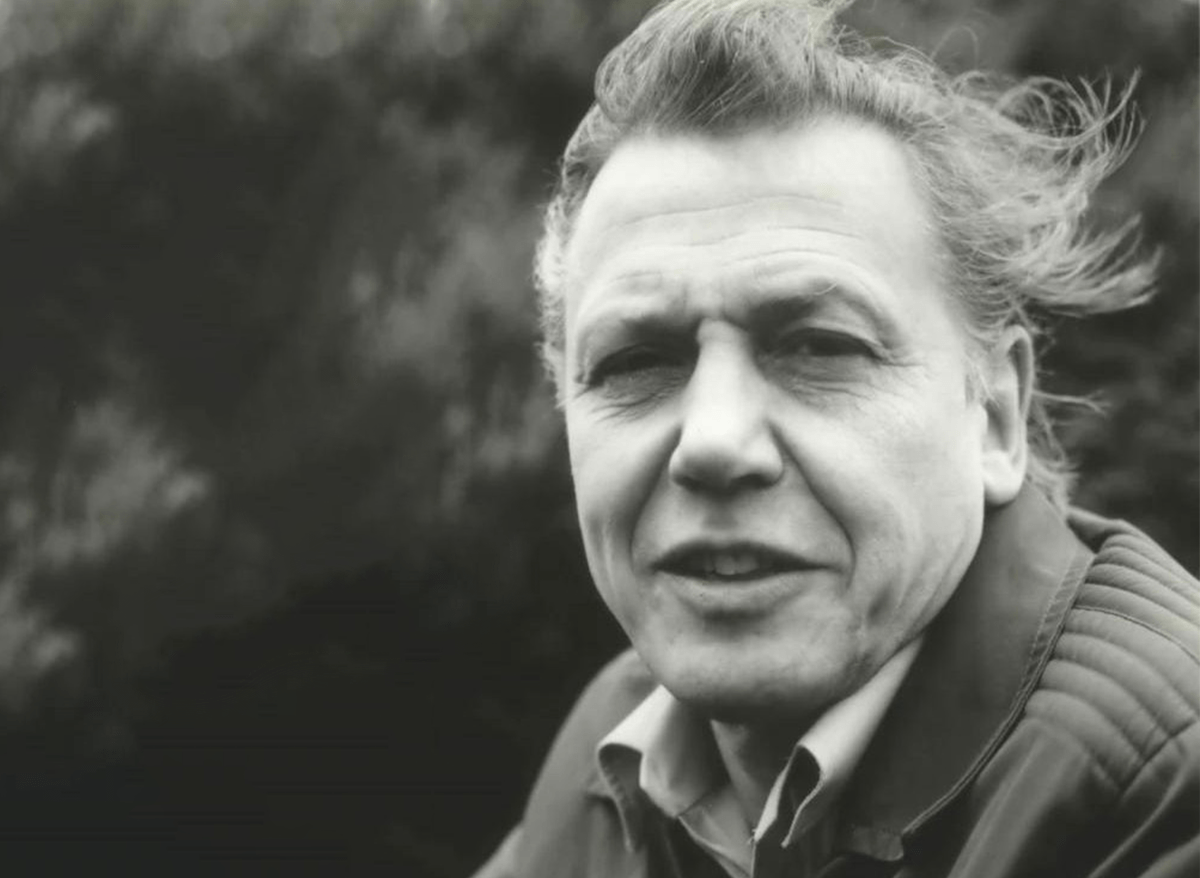
A lot of my work has been trying to develop an evidence-base for the use of science in the justice system. We can do science that addresses gaps and ensures there’s data to interpret materials in a criminal investigation—soils, sediment, gunshot residue, etc. People keep saying to me that forensic science is fine. They see shows like CSI and it all looks spot-on and nice and neat and tidy. But there are gaps in the evidence-base. People ask if we need a miscarriage of justice to demonstrate where the gaps are. My response is we’ve had lots of miscarriages of justice and they didn’t change things. What we need is a David Attenborough. He told stories in powerful ways that engage people, that hit them where they live. That’s what brought the environmental agenda into a place where it wins people’s votes and changes their behavior.
We need to have creativity in science so that good science can make the best impact possible. We need to have a storytelling aspect to what science is, where it comes from, and why it matters. We need to incorporate society into science stories.
We need to have creativity in science so the good science can make the very best impact that’s possible.
In a conversation with the coauthors of our recent paper, one of the coauthors talked about magic shows. Consider the entire experience of people attending a magic show: before they go, what they experience in the show, how they feel afterward, and what they’re telling friends a week later. There’s something quite powerful about that journey. We could present science like that, as long as we ensure the science is relevant. We could ensure we’re listening and incorporating diverse perspectives that come from generational differences, geographical differences, and disciplinary differences.
In science, you are often incentivized and rewarded for becoming a specialist, for finding your niche and being the leading expert in it. It is much harder to forge a path in science if you are someone who works more at the intersections and is looking to connect different ideas and different ways of doing things and reimagine and craft new approaches. I’m a firm believer that in a scientific community, you need to have diversity like you do in every ecosystem. You need specialists but you also need those expert generalists. All over the world we have boundaries between our different disciplines. Universities are structured and ordered into groups of disciplines and individual disciplines. Crossing the borders within the university can be quite a challenge. To what degree is it possible to create infrastructures that make that easier?
I’m beginning to see quite a few activities that are designed to try and bring different perspectives together. There’s the Center for Unusual Collaborations in the Netherlands, which is doing really exciting work of trying to bring different types of people together. 
Lead image: cybermagician / Shutterstock