Greg Laughlin studies exoplanets, but also high frequency trading and the extremely distant future. He is a fan of William Gibson and Ray Bradbury and was once accused by the European press of trying to move the Earth from its orbit. But he is also eminently down-to-earth: When asked about which exoplanet he’d visit, he replied, “I actually wouldn’t bother.” Able to distill some of our biggest questions into analogies and numbers, Laughlin is engaged, curious, and precise. He spoke to us from his office at the University of California, Santa Cruz.
Do we implicitly think that the rest of the universe should look like our own part of it?
Why do you study extrasolar planets?
You’ve valued the planet Kepler-186f at $655. Why?
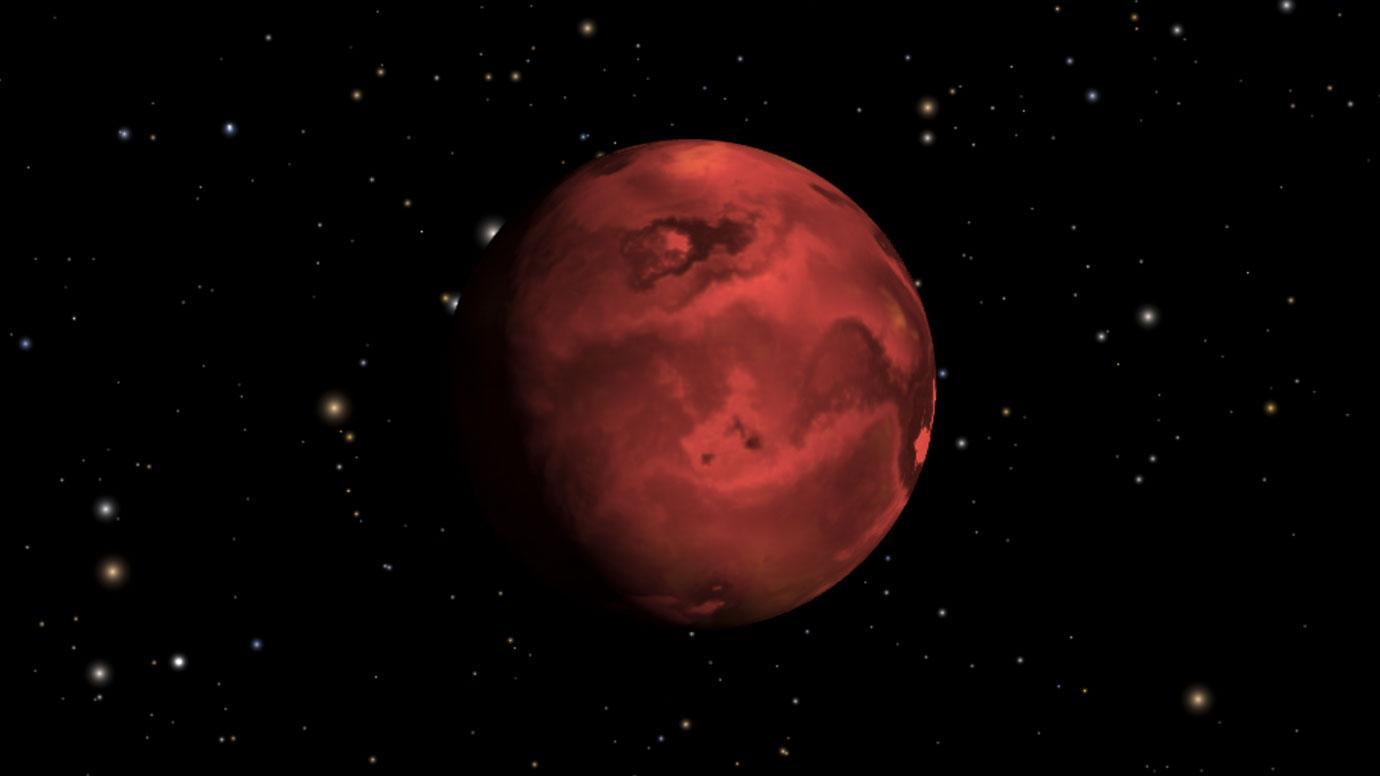
Some Kepler-186f illustrations presented by the media bothered you. Why?
If you could visit any exoplanet, which would you choose?
You were once accused by the European press of trying to move the Earth’s orbit. How did that happen?
What would you do with a map of the computational density of the universe?
What insights can Donald Trump provide into the Fermi paradox?
You’ve described the far distant future as being essentially a void. Should we be pessimistic about the future?
What works of science fiction have influenced you?
What would you be if you weren’t a scientist?