Like most other primates, humans are social animals, so when we’re cut off from our compatriots—or even feel cut off—our health can suffer. Now, a new study published in Nature Communications reveals the toll this social disconnectedness can take on our health as we age.
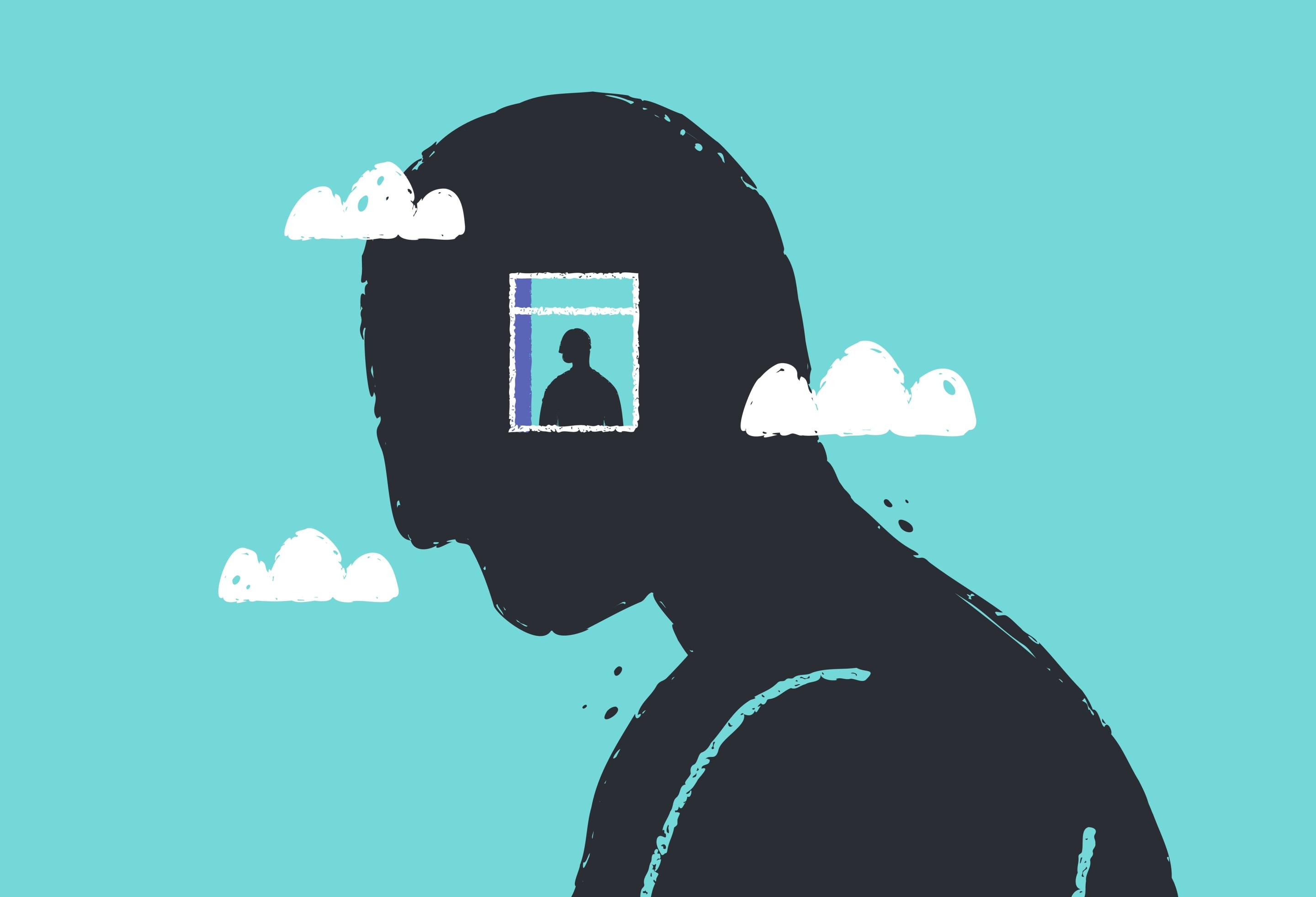
But first a note about social isolation and loneliness. While they may seem like interchangeable phenomena, they’re subtly different. Social isolation is an objective measure of how many social contacts like friends and family you have. Loneliness, on the other hand, is a subjective account of your feelings. Just like it’s possible to feel disconnected at a party, it’s possible to feel lonely when you’re not socially isolated. Conversely, you can have a relatively tight circle of contacts and feel socially fulfilled.
Read more: “Workplace Loneliness Is Contagious”
To find out how these metrics interact with our mental and physical health as we age, a team of public health scientists analyzed data from more than 277,000 adults between the ages of 40 and 69 from the United Kingdom’s BioBank who started the study free from seven specific diseases: diabetes, heart disease, lung disease, dementia, cancer, depression, and anxiety. Using the age 50 as a reference point, the team then measured how many disease-free years the participants enjoyed as the study continued.
They found that, compared to fulfilled people with plenty of friends or family, those who experienced both loneliness and social isolation also had fewer disease-free years at age 50. There were some interesting gender effects as well. Lonely, socially isolated women lived 2.4 fewer years free of physical disease, while for men the figure was 1.7 years. For mental illnesses like depression and anxiety the figures were 3.7 fewer years free of disorders for women and 5.8 fewer for men.
In other words, social isolation and loneliness take a greater toll on men’s mental health than women’s, and a slightly greater toll on women’s physical health than men’s. “This comes down to the gender differences between men and women,” study author Lu Qi of Tulane University explained in a statement. “Our research found men are more susceptible to being affected by loneliness. We also know that women tend to live longer than men. There are gender advantages with certain diseases.”
Interestingly, healthier lifestyle factors influenced the effects of social isolation and loneliness showed differently. A better diet, more exercise, longer sleep, and abstaining from smoking significantly reduced the loss of disease-free years for those who were socially isolated—but not for those who felt lonely.
It’s a good reminder not to neglect your emotional health as you age. Your life may depend on it. 
Enjoying Nautilus? Subscribe to our free newsletter.
Lead Image: Everything Bagel / Shutterstock