There’s an old joke about a con who gets locked up in prison with a PhD student cellmate. The con starts plotting his escape, settling on a tunnel as the best option. After months of digging he calculates the tunnel is long enough, and makes his break for freedom. Unfortunately, when he surfaces he finds himself in the middle of the guard house. After being sent back to his cell, his cellmate, the PhD student, says, “I tried to tunnel out of here just like that awhile back and got caught the same way.”
“Well why didn’t you tell me?” the incredulous con asks.
“No one publishes negative data,” the PhD student replies. (I never said it was a good joke.)
Read more: “Is This Metabolic Molecule from Pythons the Next Big Weight-Loss Drug?”
Anyway, the point is that there’s an incentive to publish positive results and a bias against publishing things that failed. Obviously both are equally valuable parts of scientific inquiry, which brings me to a recent study about brown fat in the journal of Cell Metabolism.
For some time, brown fat has been considered a kind of “holy grail” for treating obesity (and other metabolic disorders). Unlike white fat, which stores energy, brown fat burns fatty acids to produce heat via a process that’s stimulated by cold temperatures. Unlocking this energy burning process even when it’s not cold could help our bodies pull fatty acids and glucose from the bloodstream to indirectly reduce white fat stores.
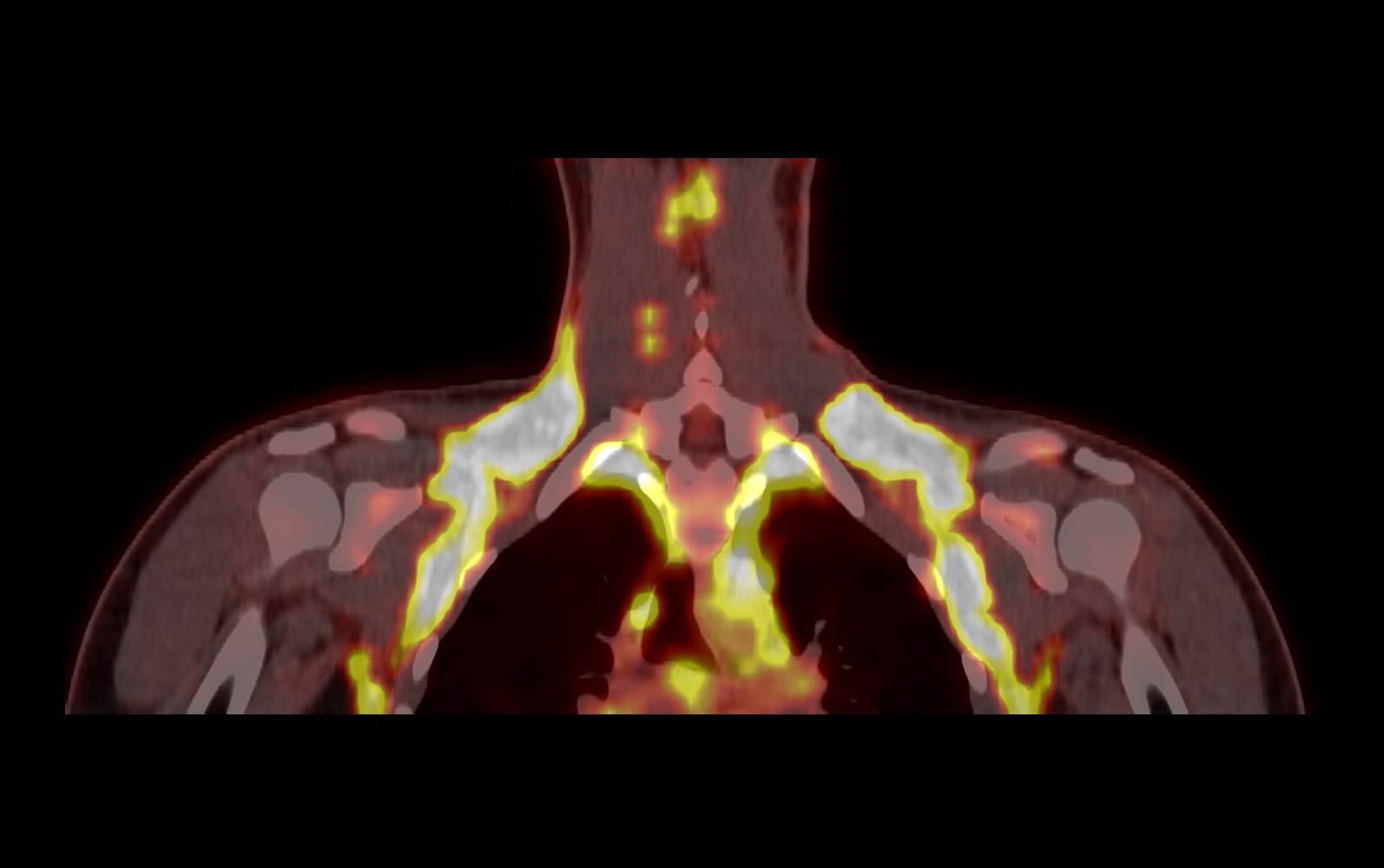
So a team of researchers led by metabolic scientists from the University of Basel in Switzerland recruited some healthy volunteers to undergo treatment with either mild cold temperatures or the drug fenoterol. An adrenergic β2 receptor agonist, fenoterol was thought to be able to trigger brown fat’s thermogenesis pathway, which is usually stimulated by noradrenaline. The team measured the participants’ energy expenditure and used PET and CT scans to monitor how much glucose their brown fat absorbed.
Unfortunately, the team discovered that while cold and fenoterol both increased the energy the participants used, only chilly temps activated their brown fat. “We were surprised that energy expenditure increased strongly with fenoterol even though we could not detect a comparable activation of brown fat,” study author Matthias Betz from the University of Basel said in a statement. “Our study shows that an increase in energy expenditure does not automatically mean that brown fat has been activated.”
But was it a total swing and a miss?
On the contrary, the researchers say these findings point to a more complicated regulatory pathway for brown fat, one involving multiple receptors. Why, though, can’t we just spend time in a cold plunge to activate our brown fat? Well, as energy expenditure ramps up, so do our appetites. “Ideally, we could combine a reduction in appetite with an increase in energy expenditure,” Betz said. “But first we need a better understanding of how brown adipose tissue is regulated.”
And publishing negative results is a vital part of that process. 
Enjoying Nautilus? Subscribe to our free newsletter.
Lead Image: Matthias Betz