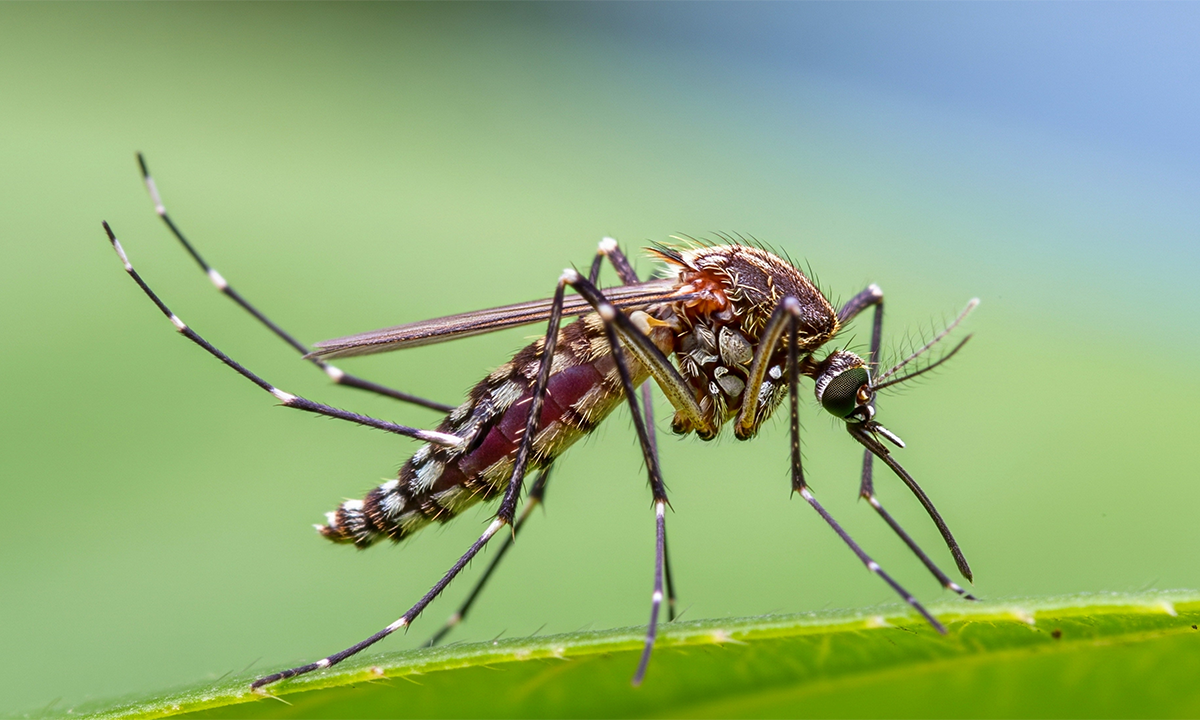
Despite how much we equate mosquitoes with getting itchy red welts, most of the 3,500 known species of mosquitoes don’t feed on humans. Still, mosquitoes that are anthropophilic—preferring human blood—are responsible for the transmission of devastating human pathogens. Malaria alone infected 282 million people and caused 610,000 deaths across 80 countries in 2024, according to the World Health Organization.
In a study published today in Scientific Reports, a team of researchers from the United Kingdom, United States, Australia, Malaysia, Thailand, and India investigated the evolution of mosquito feeding on humans. In Southeast Asia, mosquitoes in the Anopheles genus range from species that prefer humans to species that favor other primates, such as gibbons and orangutans. By sequencing DNA from 11 mosquito species encompassing the range of feeding behaviors, the study authors reconstructed their evolutionary history relative to early human (hominin) history.
Read more: “Parasites Are Us”
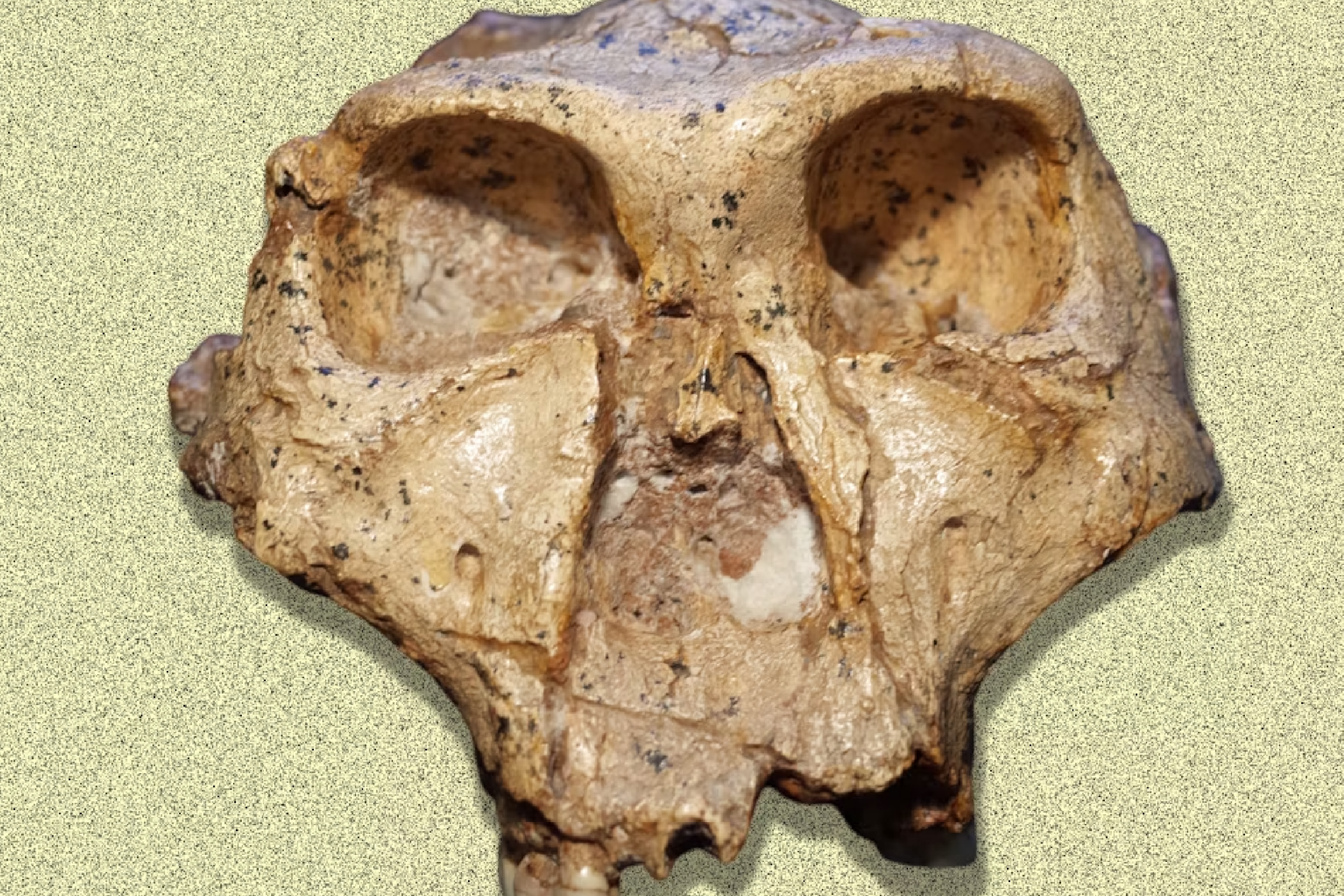
The evidence pointed to a region called Sundaland (the Malay Peninsula, Borneo, Sumatra, and Java) as the epicenter for the dawn of mosquito feeding on humans. Based on more than 2,500 nuclear genes and 13 mitochondrial genes, the phylogenetic tree for mosquitoes showed that the ancestral behavior was to feed on non-human primates. Between about 2.9 and 1.6 million years ago, some mosquitoes acquired a taste for hominins. Their first human blood meals were likely from Homo erectus, who was in the area by at least 1.8 million years ago, based on other published studies.
In modern mosquitoes, large numbers of olfactory genes are implicated in how they find their preferred mammal hosts. It’s hypothesized, then, that multiple changes in genes coding for body-odor receptors would have had to occur for a transition in feeding preference. To exert sufficient selection pressure for the changes from monkeys to hominins, H. erectus was abundant enough by 1.8 million years ago “to drive adaptation to human host preference,” wrote the study authors.
Because Homo sapiens didn’t arrive in Sundaland until later, “such early origination of anthropophily must necessarily have been in response to the arrival of early hominins (Homo erectus) rather than anatomically modern humans,” concluded the study authors. Basically, by the time Homo sapiens showed up some 76,000 to 63,000 years ago, mosquitoes were already adapted to prey on hominins.
So, mosquito preference for human blood is, unfortunately, time-tested and well-honed. 
Enjoying Nautilus? Subscribe to our free newsletter.
Lead image: SILVIA MAQQ / Shutterstock