We like to think of natural selection as a ruthlessly efficient engineer, shaping organisms into their ideal forms over millions of years of evolution. But reality is a lot messier. Phylogenetic inertia, physical constraints, evolutionary trade-offs, and more can result in some odd “design choices.” According to new research published in Nature Communications, bird wings even seem to qualify.
To investigate the optimization of bird wings, researchers from the University of Bristol essentially decided to design some from scratch. They created a “theoretical morphospace” of all wing shapes that could appear in nature, regardless of whether they’re actually found there or not (and they really covered their bases—some of the imagined wings were almost round while others were spindly wisps). They then tested each wing to discover which shapes performed the best in different flight modes (soaring, hovering, diving, and so on).
After identifying the ideal theoretical wings, they mapped real bird wings on top to see how they measured up. Most birds don’t have the “best” wing shapes, they discovered. In fact, the majority of birds were in the middle to low end of the optimization space. “It turns out for many birds, including most of the ones you see every day, that good enough is good enough when it comes to flight,” study author Benton Walters said in a statement.
Read more: “Why Birds Can Fly Over Mount Everest”
Oddly, hummingbirds and penguins had some of the most optimized wings (the flightless rhea’s least-optimized wings didn’t come as such a surprise).
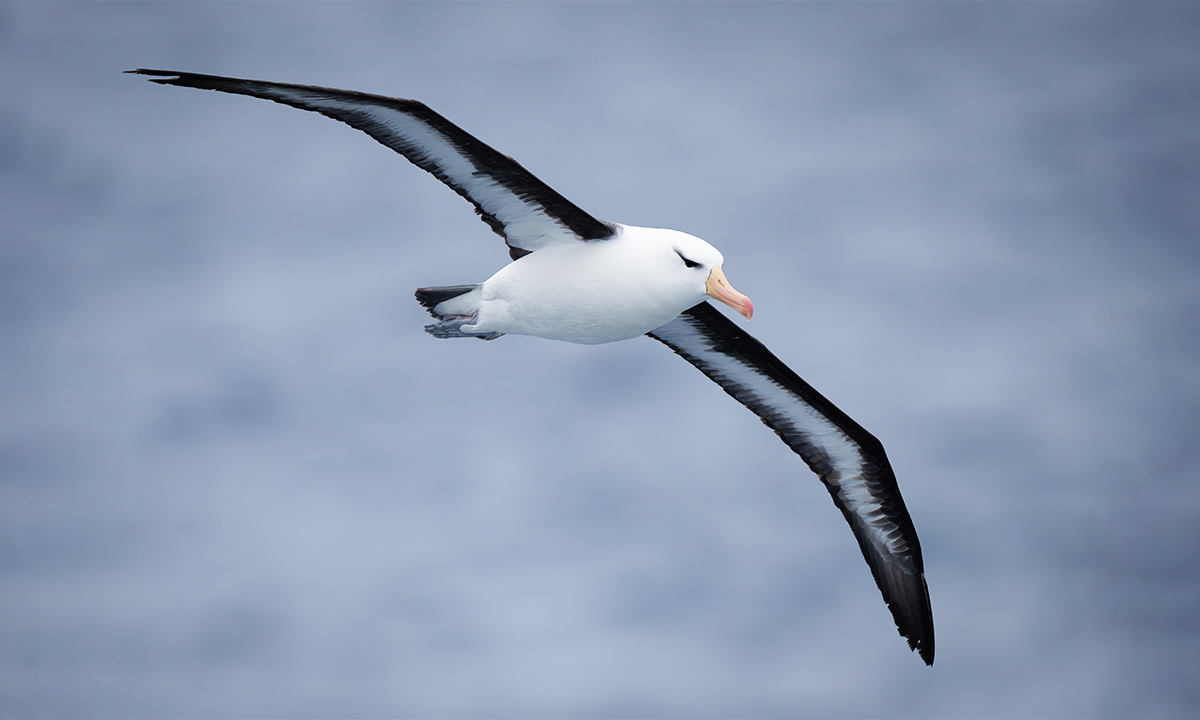
“Two bird groups that surprised me for not being optimal were albatrosses and terns, both famed for their long-distance globe-spanning flight,” Walters said. “It turns out you don’t have to be optimally shaped to perform the impressive feat of migrating from Arctic to Antarctic and back every year like Arctic Terns do.”
But why aren’t wings generally better optimized for flight? After all, birds have been evolving for tens of millions of years, shouldn’t their wings be a little better than middling at their primary means of locomotion?
The researchers offered a few explanations. First, it’s possible there are constraints acting on wing shape that involve their relationship to the rest of the bird’s body, something the study didn’t investigate. Additionally, plenty of birds use their wings for other things like courtship displays, and the wings best at attracting mates could be less optimized for flight.
Whatever the reason, the elegant, non-optimized bird wing is a beautiful reminder of the messiness of nature and that a “good enough” design is often the best. 
Enjoying Nautilus? Subscribe to our free newsletter.
Lead image: Nick Dale / Adobe Stock