Club Náutico El Chalet is a hidden gem” reads the website for a restaurant located on Spain’s Mediterranean coast. “This restaurant offers stunning views of Cartagena Bay, creating a perfect ambiance for enjoying delicious seafood dishes.”
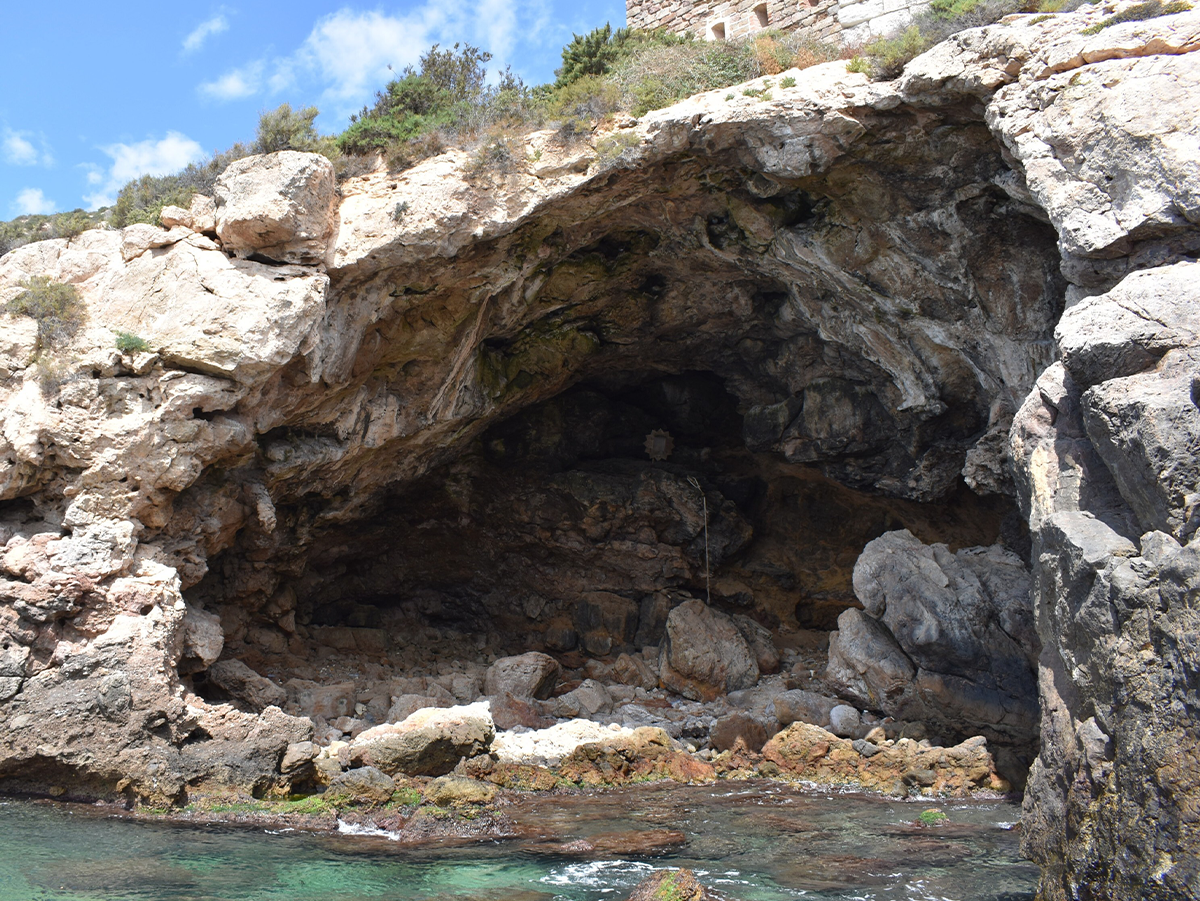
Neanderthals, it turns out, would probably have agreed. A stone’s throw away from the cafe lies Los Aviones Cave, which was frequented by Neanderthals more than 160,000 years ago. Now, new research published in the Proceedings of the National Academy of Sciences reveals they also dined on seafood there.
Spanish researchers studying the Los Aviones Cave settlement discovered ancient mollusk shells discarded by our cave-dwelling relatives. They determined the shells belonged to Phorcus turbinatus, a sea snail, and Patella ferruginea, the Mediterranean limpet. But the researchers were able to discern not only what Neanderthals ate, but when they ate it. As these mollusks build their shells, the oxygen isotopes within them vary according to the ocean temperature. By measuring these isotopes, the researchers were able to pinpoint when they were harvested.
Read more: “Eat Like a Neanderthal”
The bulk of the seafood bounty was collected during colder months, most likely November through April, but researchers aren’t entirely sure why. It’s possible the dearth of larger prey in the winter prompted Neanderthals to move to the coast in search of smaller fare (rabbit bones were also discovered in the caves).
Of course, our archaic relatives could have been following their own version of the rule of thumb to only eat shellfish during months with an “R” in them, the researchers say. After all, there’s good science backing up the rule. Algal blooms during the warmer months can deposit toxins in filter feeding mollusks, potentially leading to intense food poisoning, serious health complications, and even death for our prehistoric cousins. Mollusks like these also tend to spend the winter months prepping for the spawning season, growing larger and storing glycogen. In other words, they mature into plump, sweet, succulent morsels.
It’s not the first time ancient people have been discovered to eat shellfish seasonally. A 2019 study investigating 5,000-year-old oyster shell assemblages on St. Catherines Island off the coast of Georgia found that prehistoric humans also mostly restricted their shellfish consumption to winter months.
Maybe on some deep level, we all yearn to be on a sun-soaked beach somewhere, shooting oysters without worrying about getting violent diarrhea. 
Enjoying Nautilus? Subscribe to our free newsletter.
Lead image: Asier García-Escárzaga