There are many different types of learning, but among the simplest is associative learning. That’s when we learn to associate one thing with another thing, like the ringing of a bell with food, in the famous example of Pavlov’s dog.
The more times we experience the stimulus and the reward, the faster we learn. Or so we thought. New research published in Nature Neuroscience is throwing a wrench into that model.
Neuroscientists Vijay Mohan K. Namboodiri and Dennis Burke of the University of California, San Francisco trained mice to associate a sound with a sip of sugar water while varying the times between the trials—some mice got a lesson every 30-60 seconds, while others waited 5-10 minutes. Even though the mice in the second group got fewer rewards than the mice in the first, they learned at the same pace.
“It turns out that the time between these cue-reward pairings helps the brain determine how much to learn from that experience,” explained Namboodiri in a statement.
Read more: “A Peek Inside the Minds of Honeybees”
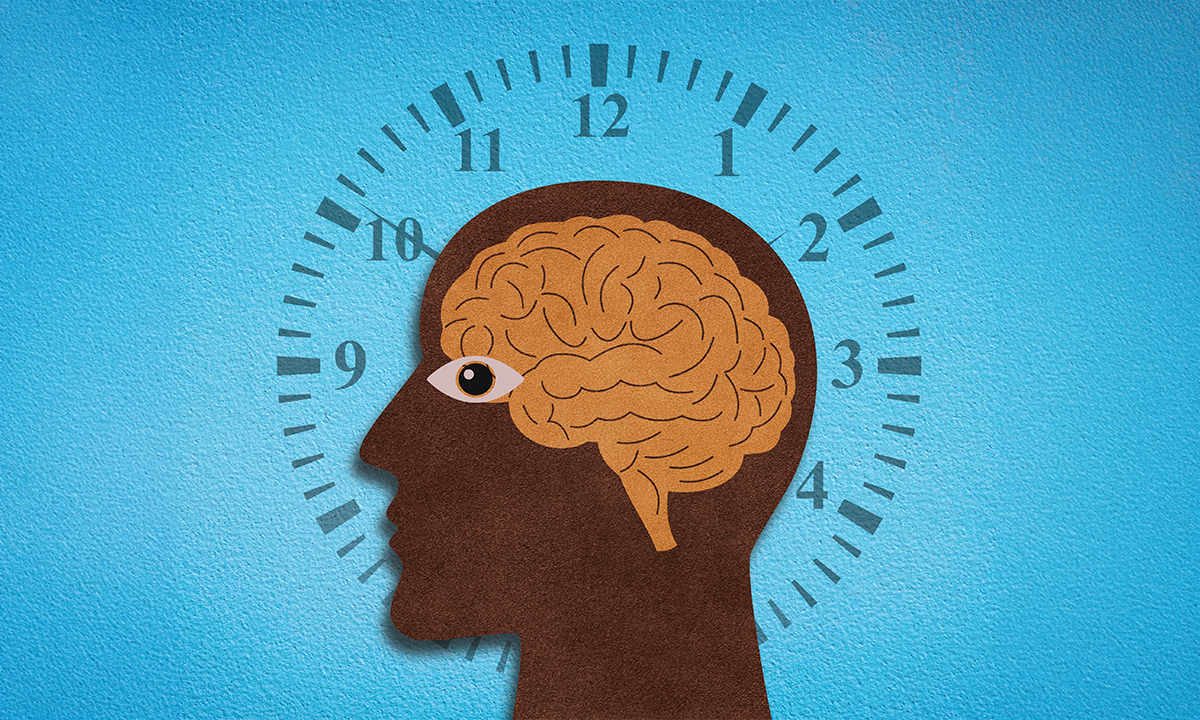
In other words, increasing the frequency of stimulus and reward pairings leads to diminishing returns over a short time period, similar to how cramming before an exam isn’t as effective as learning the material throughout the semester.
“What this tells us is that associative learning is less ‘practice makes perfect’ and more ‘timing is everything,’” Burke said.
Associative learning is mediated by dopamine, and during the learning process, our brains begin to release the feel-good neurotransmitter in anticipation of the reward. Taking a peek into the brains of the mice revealed that those in the group that waited longer in between lessons released dopamine after fewer trials than the mice getting more frequent rewards. Basically, the mice with spaced-out trials got more neurochemical bang for their buck.
The researchers then switched things up by spacing the trials out in 60-second intervals but rewarding one group of mice only 10 percent of the time. The 10 percenters also only needed fewer trials before they released dopamine, regardless of whether there was a reward or not.
While these findings may change the way we view learning and addiction—another dopamine-mediated condition—Namboodiri plans to apply his research to artificial intelligence next.
“A model that borrows from what we’ve discovered could potentially learn more quickly from fewer experiences,” Namboodiri said. “For the moment, though, our brains can learn a lot faster than our machines, and this study helps explain why.” 
Enjoying Nautilus? Subscribe to our free newsletter.
Lead image: ArtemisDiana / Shutterstock