For us to exist on Earth today, vertebrate animals had to transition from their aquatic world to a lifestyle on land, which is thought to have happened about 390 to 365 million years ago when “fishapods” like Tiktaalik waddled out of the sea.
Then, these terrestrial pioneers had to adapt to getting oxygen in a novel environment. In contrast to the ocean, where they pumped their mouths to draw oxygenated water over gills or absorbed oxygen through the skin surface, land animals had to evolve systems of breathing that recruited the ribs to expand and compress the chest cavity.
A recent study led by paleontologists from the University of Toronto describes a fossilized reptile, Captorhinus, with the oldest known example of a vertebrate’s rib cage structured to power inhalation and exhalation, in what’s called “costal breathing.” The remains were excavated from a cave in Oklahoma.
“We propose that the system found in Captorhinus represents the ancestral condition for the kind of rib-assisted respiration present in living reptiles, birds, and mammals,” said lead author Robert Reisz in a press release. “This efficient respiratory apparatus is important for their more active, energetic, and competitive lifestyles compared to their amphibian counterparts.”
Read more: “The Divers Who Stretch the Limits of Human Biology”
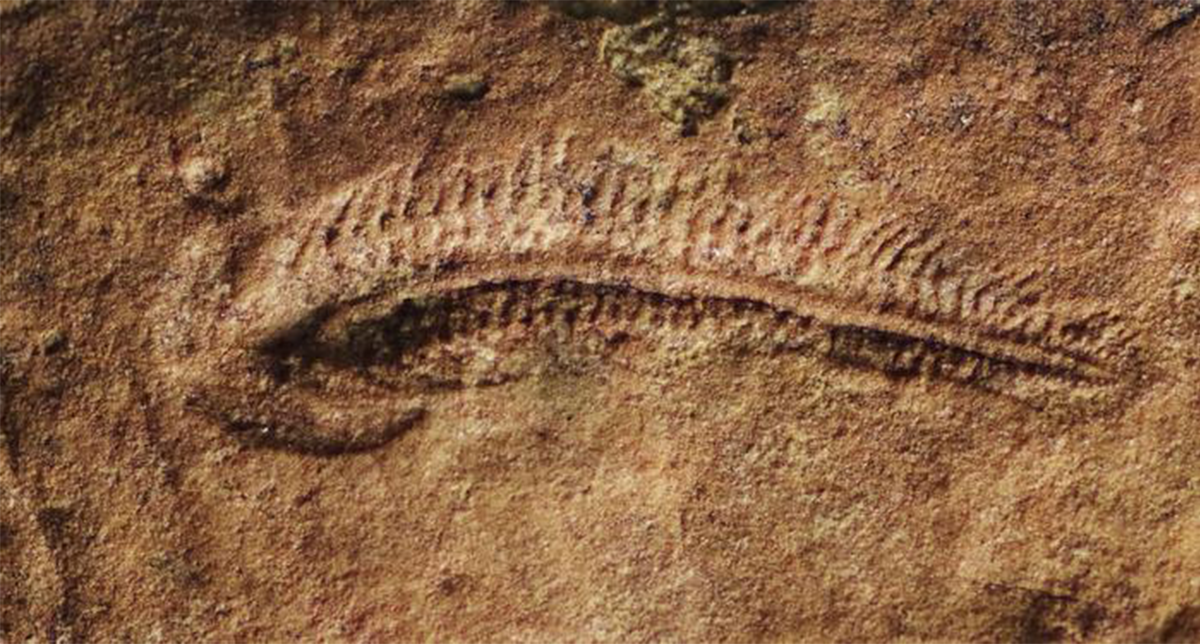
The mummified reptile remains, dating to about 289 million years ago, were extraordinarily well-preserved, including not just their bones but also skin, cartilage, and other soft tissue around their respiratory system.
The study authors hypothesize that the reptiles died in a cave where they became buried in fine clay sediments, after which they were exposed to mummifying liquids such as mineral-rich groundwater and hydrocarbons from an oil seep. Even some of their protein biomolecules were preserved, pushing back the date of preserved animal proteins in the fossil record by 100 million years.
From these fragile remains, the researchers used scanning and geochemical analyses to reconstruct the Captorhinus respiratory system, revealing a rib-breathing method similar to that of modern lizards. The structure of the shoulder girdle, allowing for side-to-side movement as they walked, also resembled that of modern lizards.
“The mummified Captorhinus is among the most significant early amniote fossils in the world,” explained study co-author Ethan Mooney. “It has offered an unparalleled window into the appearance, lifestyles, and evolution of the earliest reptiles, expanding dramatically our understanding of this pivotal episode of amniote evolution.”
It certainly breathes new life into our old ways of thinking about when vertebrates helped bring life beyond the sea. 
Enjoying Nautilus? Subscribe to our free newsletter.
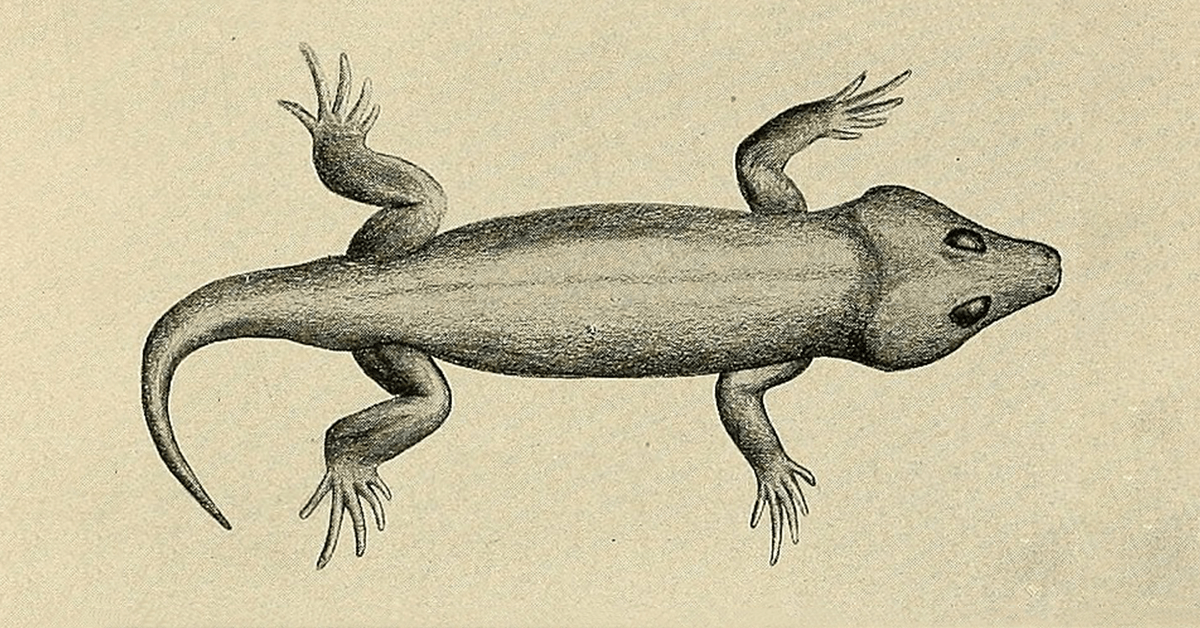
Lead image: Internet Archive Book Images / Wikimedia Commons