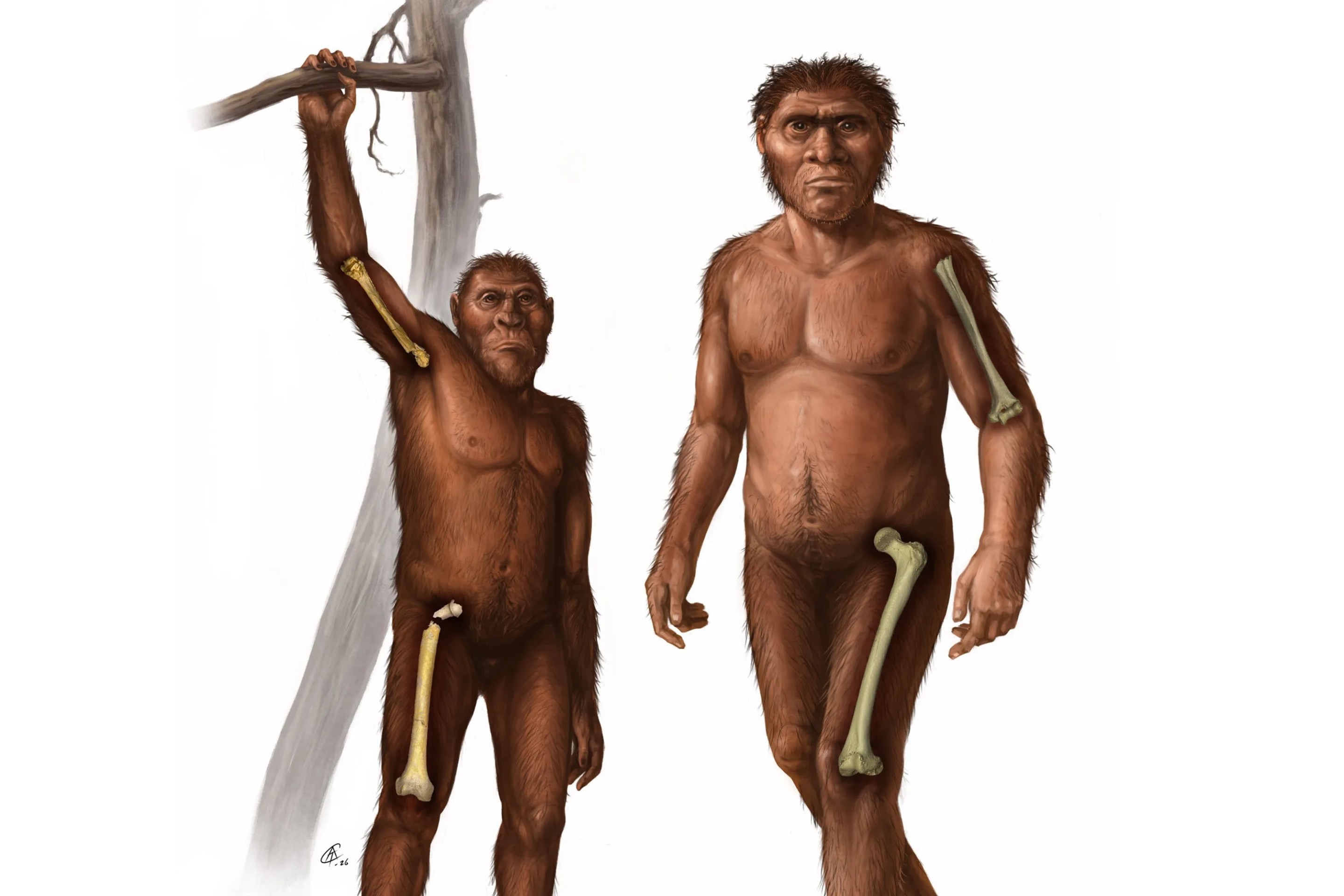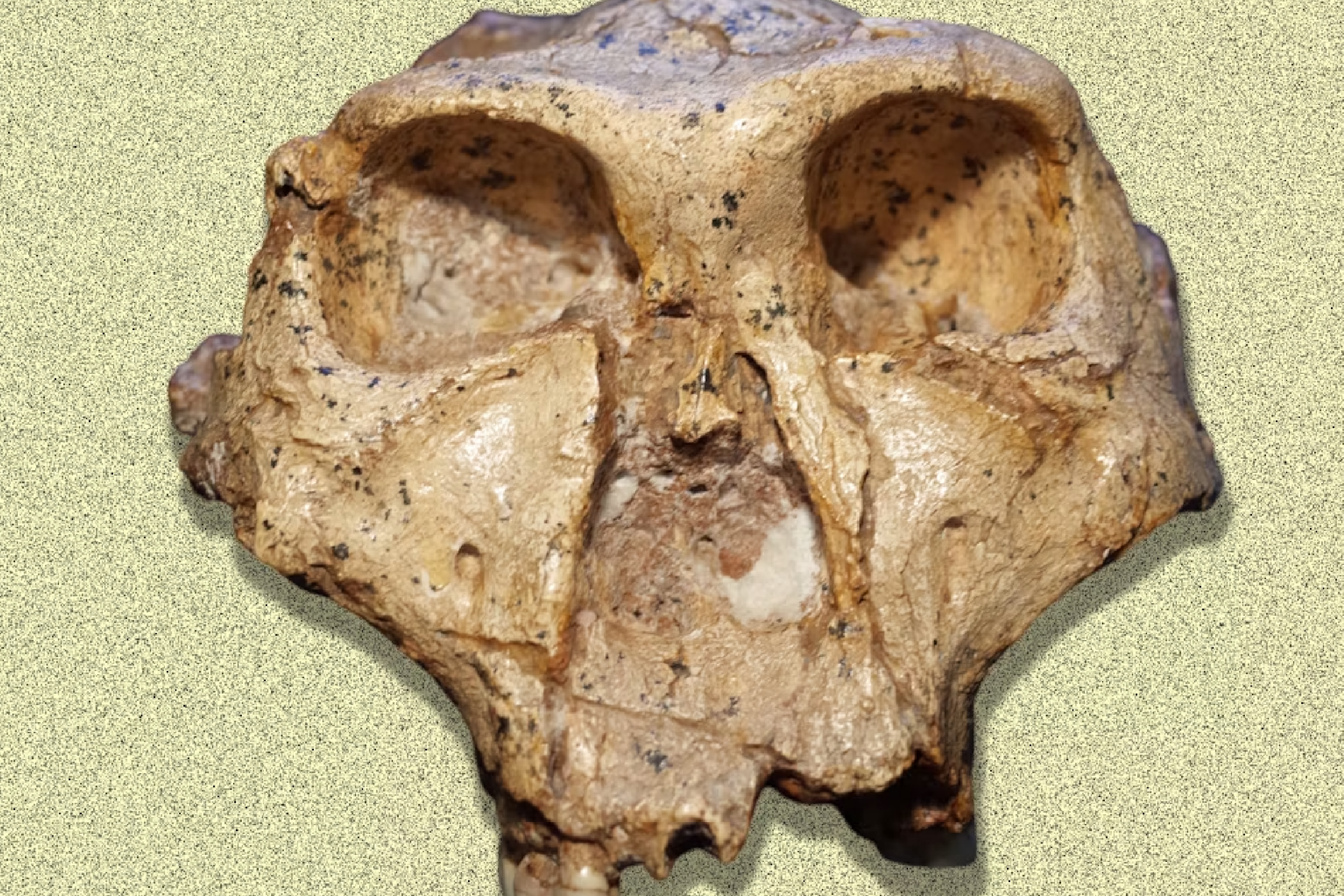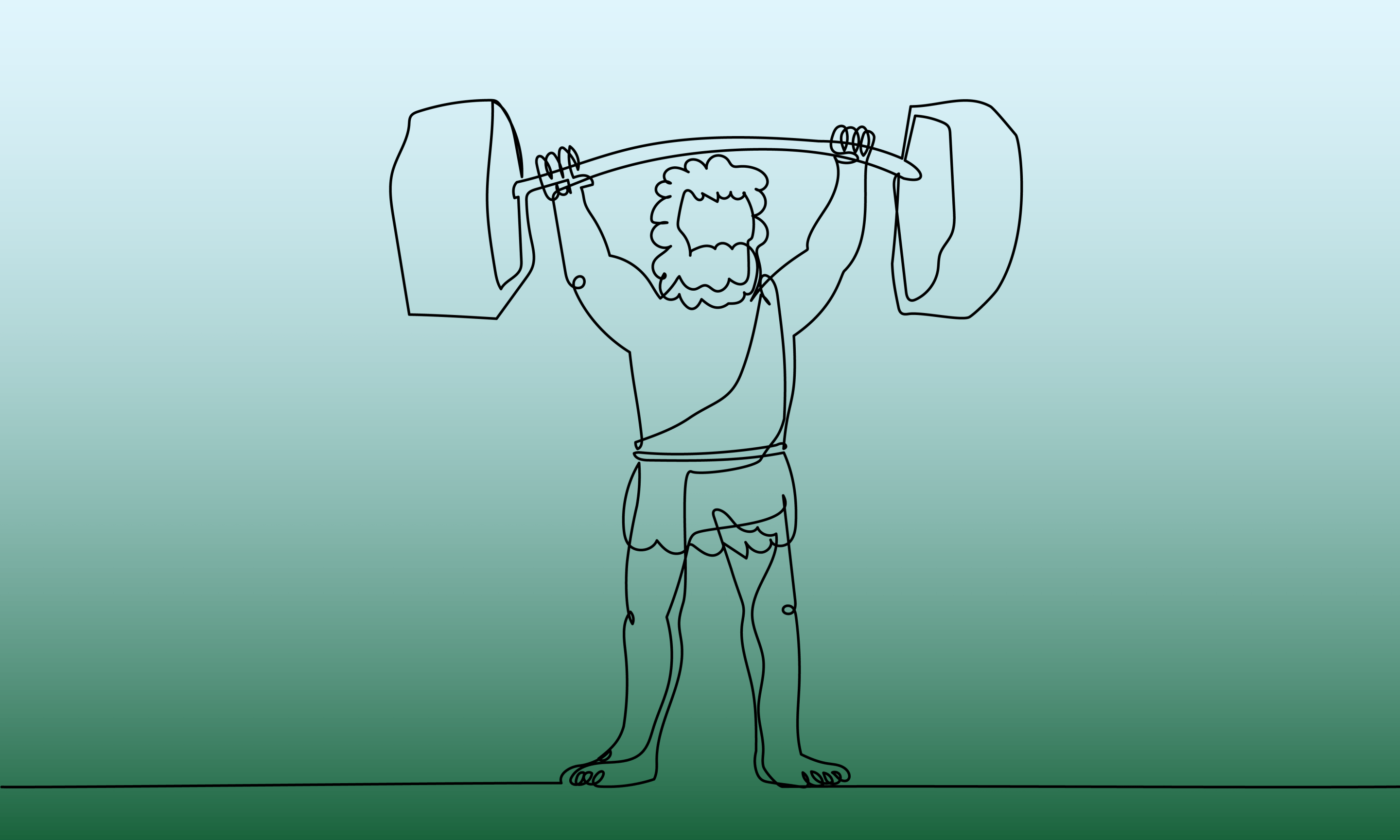
In a boxing match between a modern human and a Neanderthal, we would definitely have the reach, but our distant cousin would have the power. That’s because Neanderthals, while shorter and stockier, were also more muscular than Homo sapiens. Now a study published today in Current Biology offers some insight into why our archaic brethren were so much beefier.
An international team of evolutionary anthropologists discovered the Neanderthal growth hormone receptor has some slight alterations compared to ours. When they cultured muscle cells expressing the Neanderthal receptor, they responded more strongly to human growth hormone, growing 40 percent larger than normal cells.
According to the team, modern humans have inherited this variant from interbreeding with Neanderthals around 47,000 years ago. Today, it’s fairly common in populations in South and East Asia, present in roughly 24 percent of South Asians (compared with around 0.5 percent of Europeans).
Read more: “How Neanderthals Kept Our Ancestors Warm”
“What struck me most was that two very different types of evidence told the same story,” study author Philipp Kanis of the Max Planck Institute for Evolutionary Anthropology said in a statement. “Cells grown in the laboratory responded more strongly, while data from more than a million people showed signs of the same effect in the body. It’s rare to see laboratory and population evidence fit together so clearly.”
So what does the tweaked receptor do in humans?
To examine its effects, the researchers analyzed body measurements from 6,000 children and found no changes before the age of 11. Its effects likely start around puberty, when growth hormone production kicks into high gear. Adults with the variant have slightly different jaw shapes, shorter tooth roots, and, yes, more muscle mass—but less than a pound (around 9.5 ounces).
“It’s fascinating that one genetic change inherited from Neandertals can still have an effect on the human body today,” said study author Hugo Zeberg of the Karolinska Institutet in Sweden. “But this is only one of many genetic influences on growth and body shape. It cannot explain the Neanderthal body type on its own, and it certainly doesn’t determine a person’s overall appearance.”
Which means it’s back to the gym with you. 
Enjoying Nautilus? Subscribe to our free newsletter.
Lead image: Simple Line / Adobe Stock