Tortoises have feelings, too: Researchers have provided the first solid evidence that these long-lived reptiles experience moods, a crucial aspect of sentience. This finding adds new complexity to our understanding of these creatures’ inner lives.
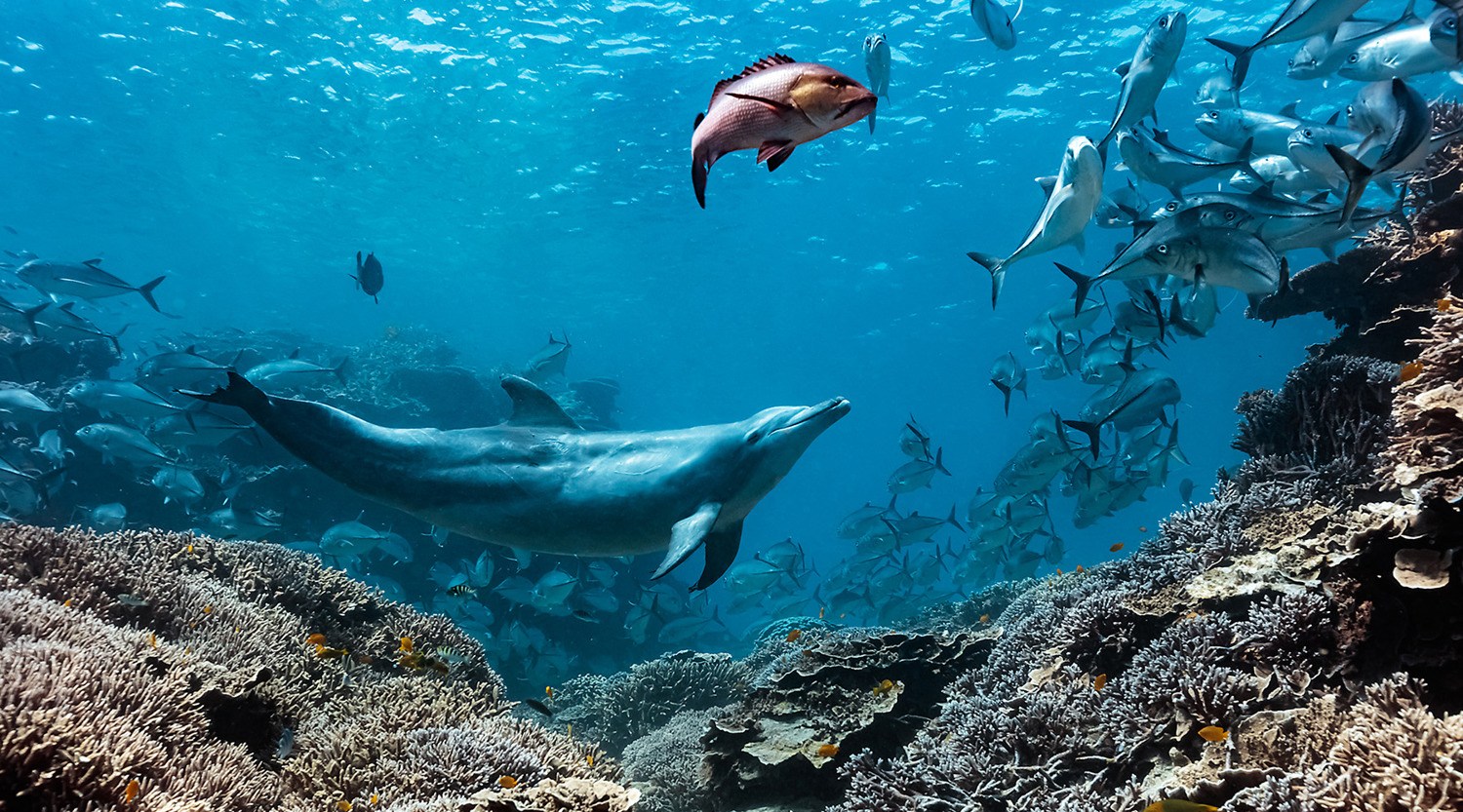
Over the past few decades, scientists have highlighted reptiles’ intelligence—such as speedy learning and long-term memory in lizards and tortoises. But it wasn’t clear whether they have subjective moods that aren’t tethered to a specific event or object. So far, moodiness has been documented in animals such as dogs, rats, and dolphins.
For a peek into reptile moods, scientists gave red-footed tortoises cognitive bias tests—these reveal how subjects’ moods influence their response to ambiguity. This test is often applied to birds and mammals, some of which have been found to harbor moods, but it was initially designed for use in human subjects.
The team, from the University of Lincoln in the United Kingdom, trained the tortoises to associate food bowls in certain locations of a room with either a food reward, or no food reward at all. Then, they presented the tortoises with bowls at intermediate locations. They classified the creatures as optimistic if they were relatively quick-moving toward a perceived reward in an ambiguous bowl, while those classed as pessimistic were more sluggish.
The researchers also measured anxious behavior in reaction to changes in their surroundings. They added a novel object, such as a beaded drink coaster, and varied the textures and colors in the wall and floor coverings of their enclosures. Overall, the optimistic tortoises tended to act less anxiously among these unknowns. The opposite was generally true for more pessimistic tortoises, as reported in Animal Cognition.
These results make sense, because emotions and moods probably evolved to help animals dodge dangers and obtain valuable resources. And shifts in mood could help explain why critters exhibit changes in memory and learning. All in all, the team suggests that we might be overlooking many animals’ inner workings: “If reptiles, a group that diverged from mammals and birds hundreds of millions of years ago, can experience moods, it suggests that affective states may be more widespread in the animal kingdom than previously believed.” 
Lead image: Seregraff / Shutterstock