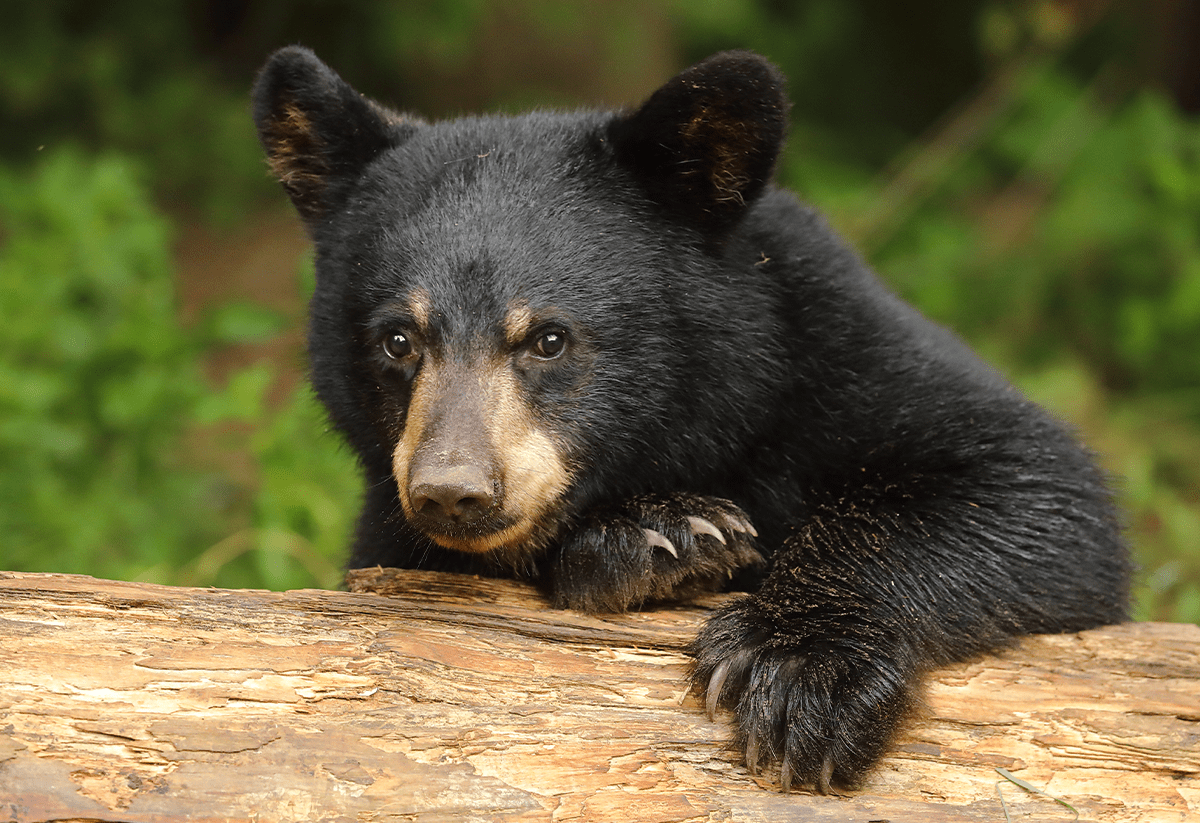
When monitoring environmental health, scientists look to biodiversity, air and water quality, and the absence of pollution. Now, they’re also pioneering the use of bear poop as a key indicator. In a recent study, led by ecologists in North Carolina, the gut contents of bears were examined for microbes. The results were both predictable and surprising.
For 48 wild black bears (Ursus americanus) felled by hunters in eastern North Carolina, samples of the contents of the large and small intestines were run through DNA sequencing to see which microbes were present. The most common microbe was the one known to be associated with obesity in humans: Clostridium sensu stricto 1. “Many humans view obesity as bad, but contributing to obesity actually makes these microorganisms beneficial for bears, who want to pack on as much fat as possible to get through the winter,” explained study author Erin McKenney of North Carolina State University in a statement.
Read more: “Beaches Are Blankets of Fish Poop”
However, the researchers also discovered, in abundance, two microbes that are known to be resistant to antibiotics: Enterococcus and Ochrobactrum. Their presence could have negative implications for humans and for other wildlife, signifying contamination of the environment with antibiotics. Since wild bears aren’t otherwise exposed to antibiotics, they’re apparently serving as reservoirs in the circulation of antibiotic-resistant bacteria.
Bears have “a simple gut morphology, and it doesn’t take long for food to pass through their system, which prevents regulation of the microbial ecosystem in the animal’s gut,” said McKenney. In other words, if they eat food containing resistant microbes, they’re likely to disperse the microbes via their feces, where they may be transmitted to other wildlife.
Black bears are also opportunistic feeders, eating just about anything they come across, so they’re good indicators of what foods are present in their habitats as well. “The nature of their digestive system and feeding behavior means that they are essentially living biosensors of their environment,” said study co-author Diana Lafferty of Northern Michigan University. “They could serve as a sentinel species for understanding changes in the environment.”
Which, of course, is something that shouldn’t be pooh-poohed. 
Enjoying Nautilus? Subscribe to our free newsletter.
Lead image: duaneups / Adobe Stock