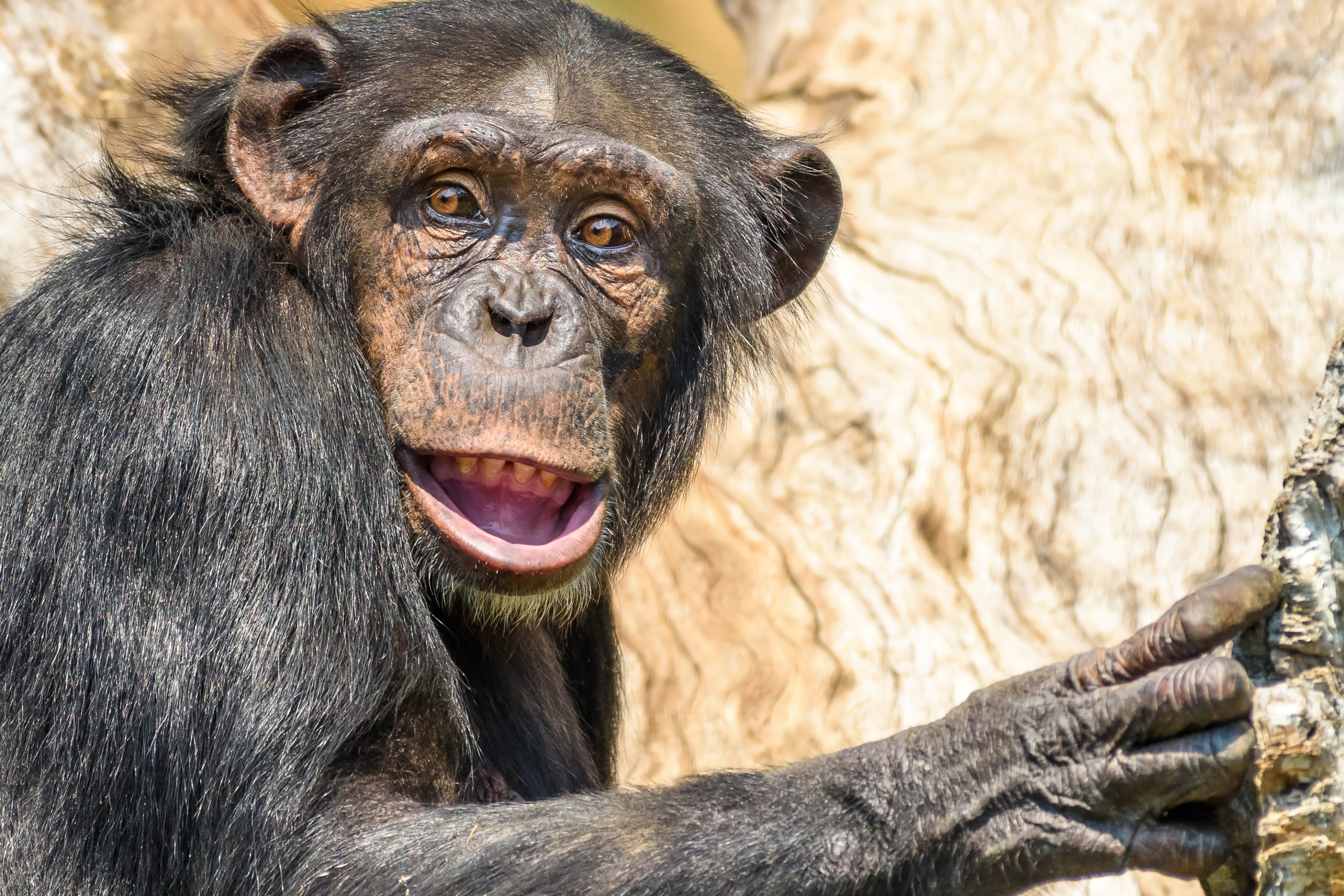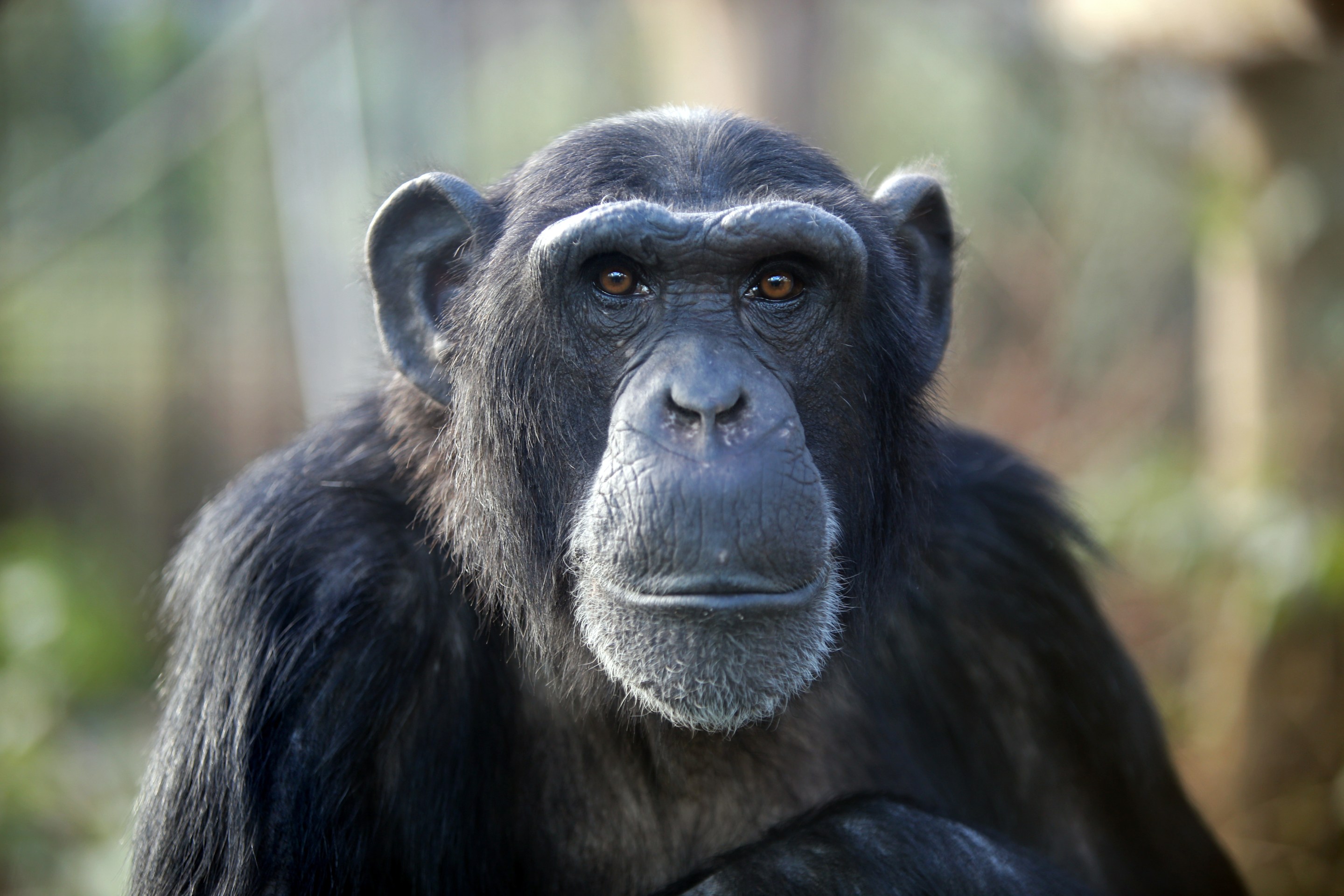
You might not be the smoothest dancer, but humans are considered uniquely skilled at spontaneously grooving along to music. The ability to move in time with a beat is relatively rare in the animal kingdom. It was long thought to be limited to species that can mimic sounds—a feat known as complex vocal learning. The majority of nonhuman primates, which include our closest living relatives, the chimps, lack this skill.
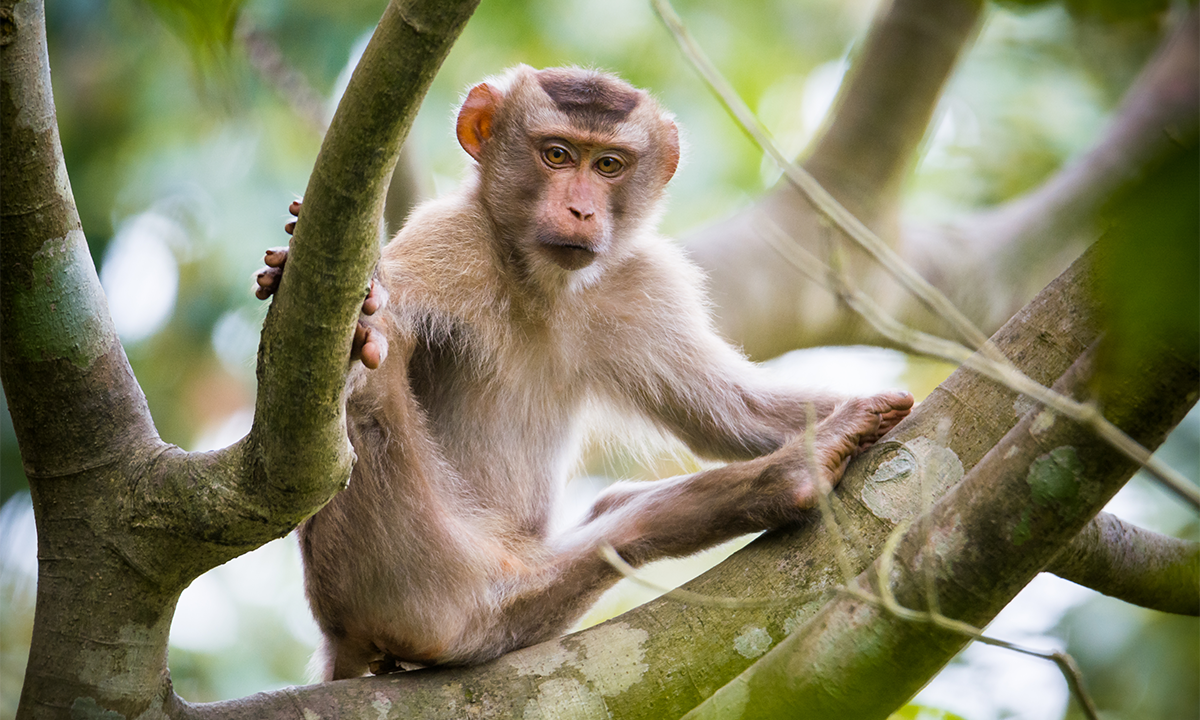
Now, macaque monkeys have upended this theory by tapping along to the Backstreet Boys and other tunes. Macaques, who are not considered vocal learners, successfully synchronized their hand taps to the beat of several pieces of music.
The finding offers new clues into the evolution of music. Scientists have tried to understand the origins of music perception and creation by studying how various species respond to human-made tunes. In people, spontaneously moving along to songs requires complex capabilities, including picking up on abstract patterns and priming our bodies to respond to the next beat. Such skills begin to emerge as early as infancy in humans. But outside of our species, only birds and sea lions have so far been found to sync up to rhythms.
Now, we can add macaques to this small list of non-human dancers, a recent Science study found. In a series of three experiments, two adult male macaques were trained with juice rewards to tap along to several songs. These pieces of music had beats that were relatively easy for people to follow, according to past research, and had tempos close to the metronome beats previously used to train the monkeys. The researchers, from the National Autonomous University of Mexico, challenged these monkeys in various ways to test their tapping prowess.
In the first experiment, scientists played three songs and then shifted the tempo by half a beat, yet the monkeys still kept to the rhythm. In the second experiment, the team scrambled up songs, “destroying rhythmic temporal structure,” according to the paper. During that task, the monkeys only synchronized when they heard a beat. In the final task, the macaques got rewards for keeping a steady rhythm to "Everybody" by the Backstreet Boys, which was played at three different speeds. In this final phase, the macaques still chose to tap along to the song’s original tempo.
Read more: “I Know How the Caged Bird Jams”
“The observation that a trained monkey naturally gravitates toward synchronizing its taps at the true (human) tempo of new songs is further evidence of a possible spontaneity to the perception of musical rhythm,” the authors wrote in the paper. Still, they acknowledge that the macaque moves aren’t necessarily natural behaviors, like the instinctive toe-tapping or swaying done by humans when a catchy song comes on the radio. The monkeys needed lots of instruction, and “still found the task effortful.”
According to these findings, the researchers suggest that the capacity to groove to music among a wider swath of animals stems from four types of abilities: perceiving patterns in music, predicting the next beat, timing one’s movements accordingly, and successfully putting together these pieces to gain rewards. Now, they suggest that more species beyond those already studied by scientists could “show some ability to sense musical beat.”
“This study presents a key advance toward understanding the neurobiological and evolutionary origins of musical beat perception establishing the macaque as a model organism,” the authors wrote.
These reluctant dancers hint that the roots of rhythm may run deeper in our evolutionary past than the vocal mimicry hypothesis suggested—even if they need some coaxing to find their groove. 
Enjoying Nautilus? Subscribe to our free newsletter.
Lead image: Md. Tareq Aziz Touhid / Wikimedia Commons