Welcome to mosquito season!
With a warm, humid “super El Niño” on the way, conditions are ripe for a bloodsucking bonanza. If you’re one of those unlucky people who happens to be irresistible to the tiny biters, DEET can be a godsend. Unfortunately for DEET lovers, a study published today in the Journal of Experimental Biology could be bad news.
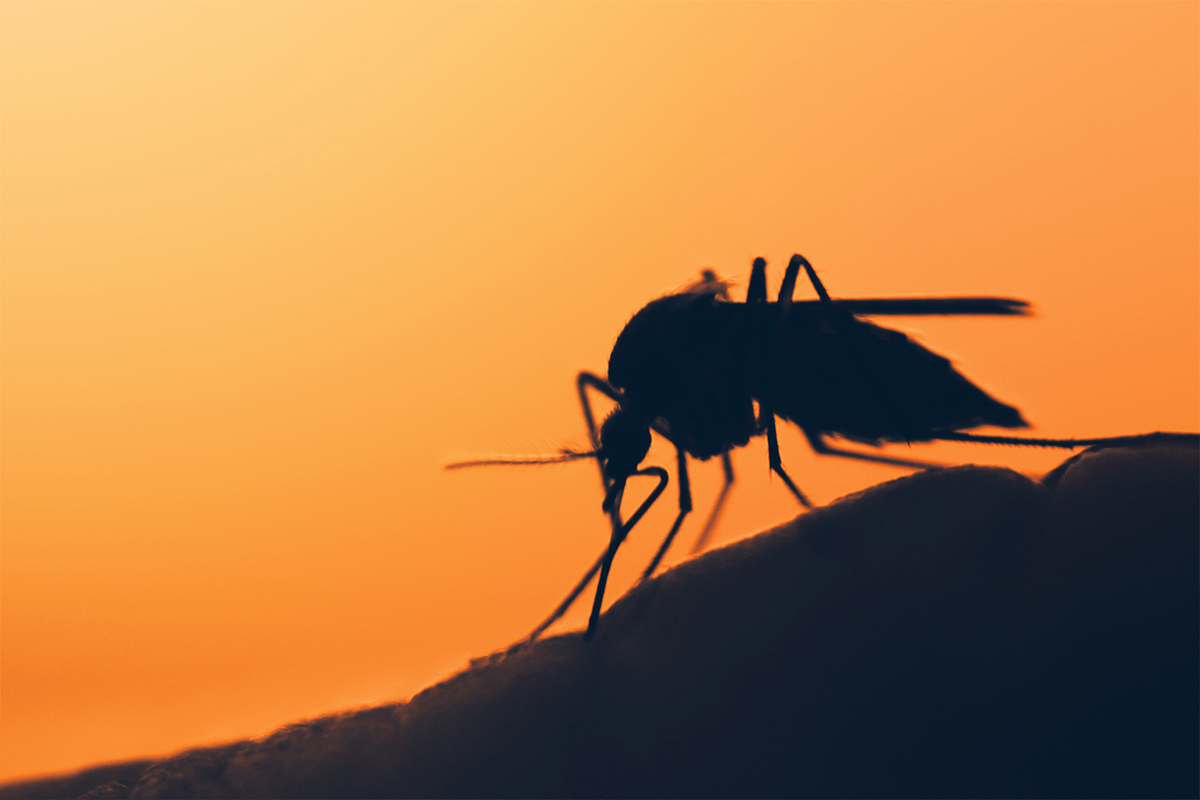
Biologists at the University of Virginia recently discovered that, given the proper conditioning, mosquitoes can actually become attracted to DEET. The team allowed mosquitoes from the species Aedes aegypti (vectors for diseases like yellow fever and Zika virus) to feed from bags of warm blood while wafting DEET over them. After four sessions, most of the mosquitoes became conditioned like Pavlov’s dog: The smell of DEET sent 60 percent of them into a feeding frenzy, even with no blood around.
Read more: “When Disease Comes for the Scientist”
The researchers performed a similar experiment using human hands. With mosquitoes in the middle of a tube, researchers placed a DEET-soaked hand on one end and a repellent-free hand on the other. While untrained mosquitoes avoided the DEET, trained mosquitoes were drawn to it. The conditioning even worked when the team used sugar as a reward instead of blood (mosquitoes also need simple carbohydrates to fuel their blood binges).
“If someone applies DEET and the concentration fades over time, but a mosquito still manages to feed, the insect may begin associating that smell with a reward,” study author Clément Vinauger said in a statement. “That’s a possibility we should take seriously when we think about how repellents are used in the real world.”
Does that mean you should ditch the DEET?
According to the researchers, no—DEET is still the gold standard in insect repellant. Still, you may want to be more vigilant about applying it. “Instead of applying a lot at once, you may want to reapply regularly so it’s always active and providing continuous protection,” Vinauger advised.
Otherwise, you might end up serving as a nice summer snack for one of those DEET-seeking bloodsuckers. 
Enjoying Nautilus? Subscribe to our free newsletter.
Lead image: mycteria / Adobe Stock