Elon Musk, SpaceX CEO, has made headlines recently for becoming the first human to amass $1 trillion. Putting debates about the harms of wealth concentration and income inequality aside, how much really is that?
In brief, it’s a lot.
Let’s start with nature. Researchers led by scientists at the Yale School of Forestry and Environmental Studies estimated in 2015 that there were slightly more than 3 trillion individual trees on Earth. They added that around 15 billion trees are felled each year, though, so we may now be hovering closer to 2.88 trillion.
Read more: “How to Understand Extreme Numbers”
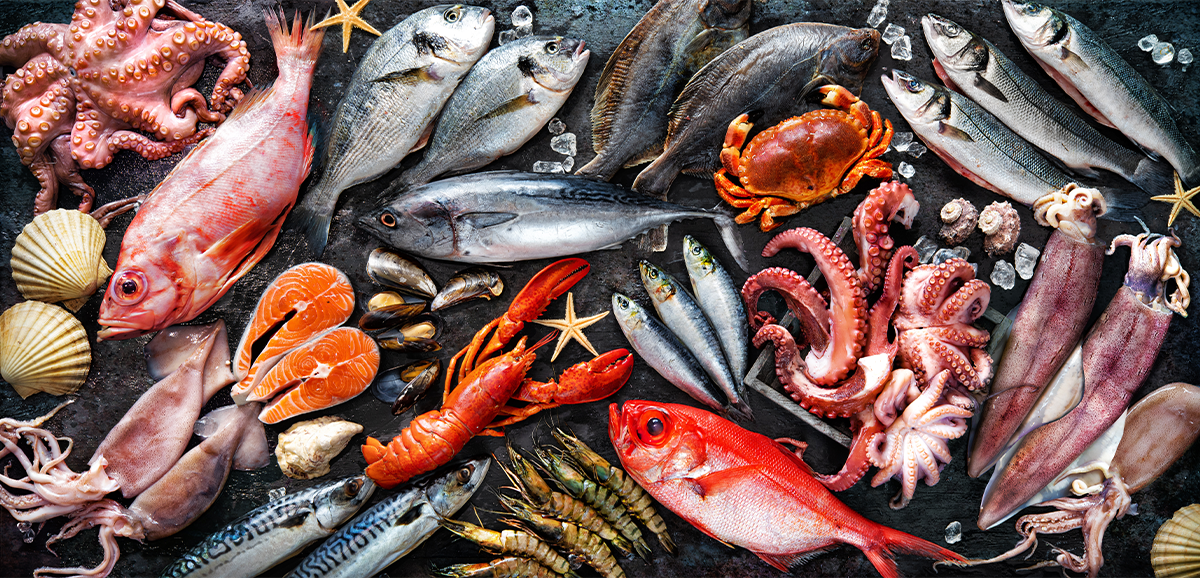
And fish in the sea? Estimating the total number of fish on Earth is tricky. After all, the National Oceanic and Atmospheric Administration states that there are 20,000 species of fish, and there may be 20,000 more that remain undiscovered by science. But calculating the total number of fish caught by humans every year is a somewhat more tractable proposition. In 2024, researchers in the United Kingdom used catch data from the Food and Agriculture Organisation of the United Nations to calculate that, between 2000 and 2019, humans caught between 1.1 and 2.2 trillion finfish (which excludes oysters, shrimp, and other finless species used for seafood).
Disembarking from estimation island, here’s a more-concrete way to understand the magnitude of a trillion. A trillion seconds is approximately 31,709 years. If we traveled 1 trillion seconds into the past, we’d arrive at about 29,000 B.C. Recorded human history is widely regarded as starting with the invention of cuneiform writing in about 3,350 B.C. But in 29,000 B.C, Neanderthals were on their way out, while Homo sapiens were busy colonizing North America.
Back to money, if someone were to spend $1 million every single day, it would take them 2,739 years to spend $1 trillion. According to the International Monetary Fund, there are only 21 countries with GDPs more than $1 trillion. That leaves about 170 with GDPs smaller than the windfall gathered in by Musk. 
Enjoying Nautilus? Subscribe to our free newsletter.
Lead image: JrCasas / Adobe Stock