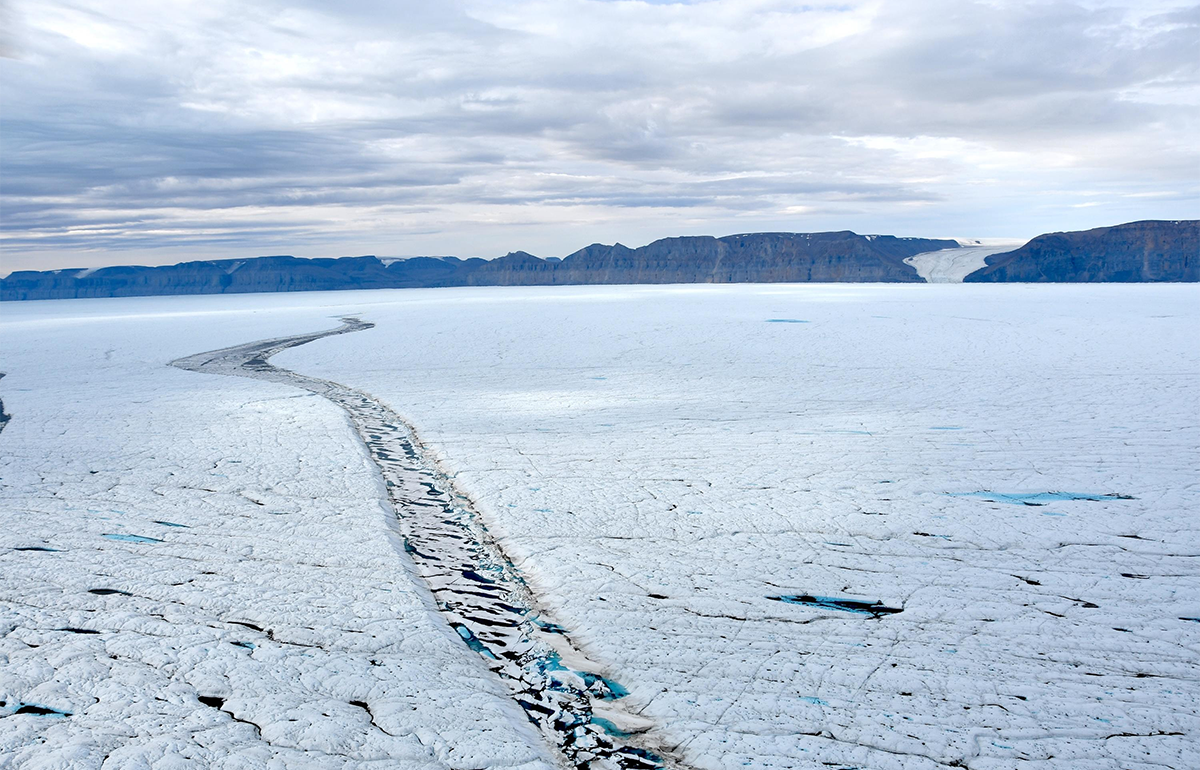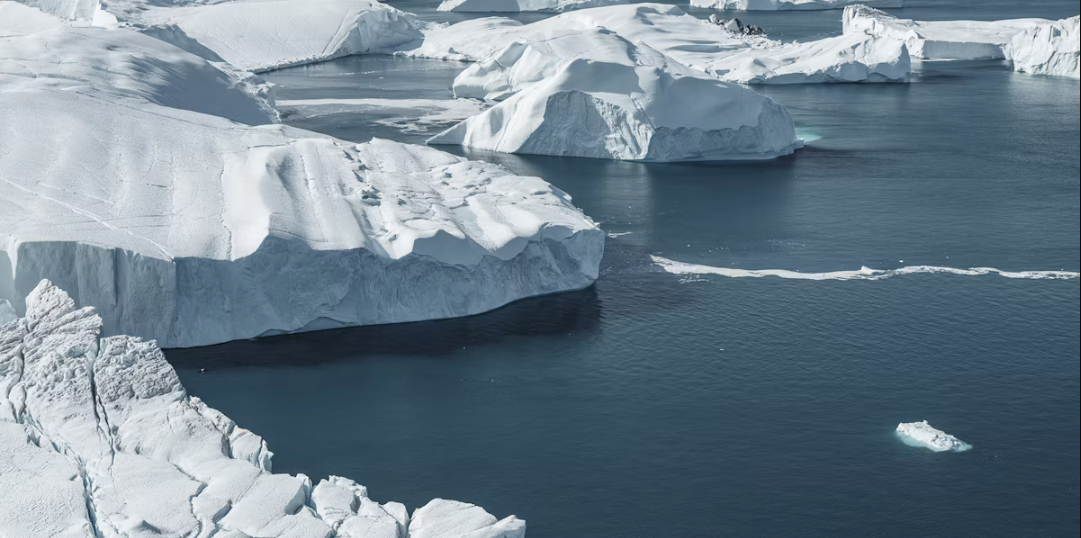
At nearly twice the size of Australia, Antarctica, our planet’s southernmost continent, is a polar desert; it is the coldest, driest, and windiest place on Earth, and almost entirely covered by ice. But despite this harsh environment, Antarctica and its surrounding waters—the Southern Ocean—are home to an incredible array of wildlife.
This is mostly due to the presence of Antarctic krill, one of the most abundant animal species on the planet, which lives in huge schools in the Southern Ocean. These shrimp-like animals are important for the food web, as most of the larger Antarctic animals such as seals, whales, seabirds, fish, and squid depend either directly or indirectly on krill for their survival.
Without krill, Southern Ocean ecosystems would collapse.
Protecting this vast continent and its surrounding waters is essential, because the Southern Ocean is helping to slow down the rate of climate change by absorbing as much as 75 percent of the excess heat produced by human activity, and capturing an estimated 35 percent of the CO2 taken up by the global ocean.
Indeed, its cold, deep currents, which are filled with nutrients, travel around the planet and help regulate the global climate, feeding both fish and people. But over the past 30 years, Antarctica has warmed up by about 1.8 degrees Celsius, which is three times the global average.
Conservation
Antarctica is governed by the 54 parties to the Antarctic Treaty System. In 1998, the Protocol on Environmental Protection to the Antarctic Treaty came into force, and designates Antarctica as a “natural reserve, devoted to peace and science.” This important Protocol provides a high level of environmental protection. However, even under this Protocol, dramatic impacts on Antarctic ecosystems are regularly documented, particularly near high concentrations of human activity.
Fishing is currently the only large-scale resource exploitation happening in Antarctica. Species such as the Patagonian and Antarctic toothfish, mackerel icefish and Antarctic krill are threatened by overfishing and subject to illegal fishing by unregistered and unregulated vessels.
The role of Marine Protected Areas
Marine protected areas are the most effective way to safeguard ocean ecosystems as they protect biodiversity, and help mitigate the impacts of climate change. There are currently two MPAs in the Southern Ocean: one in the Ross Sea, and the other in the Southern Orkney Islands southern shelf.
The Commission for the Conservation of Antarctic Marine Living Resources is currently considering three new MPAs. If these three MPAs are created, it will be the largest act of ocean protection in history, significantly advancing the #30×30 target.
By Sails of Change Team.
Lead image courtesy of Sails of Change.