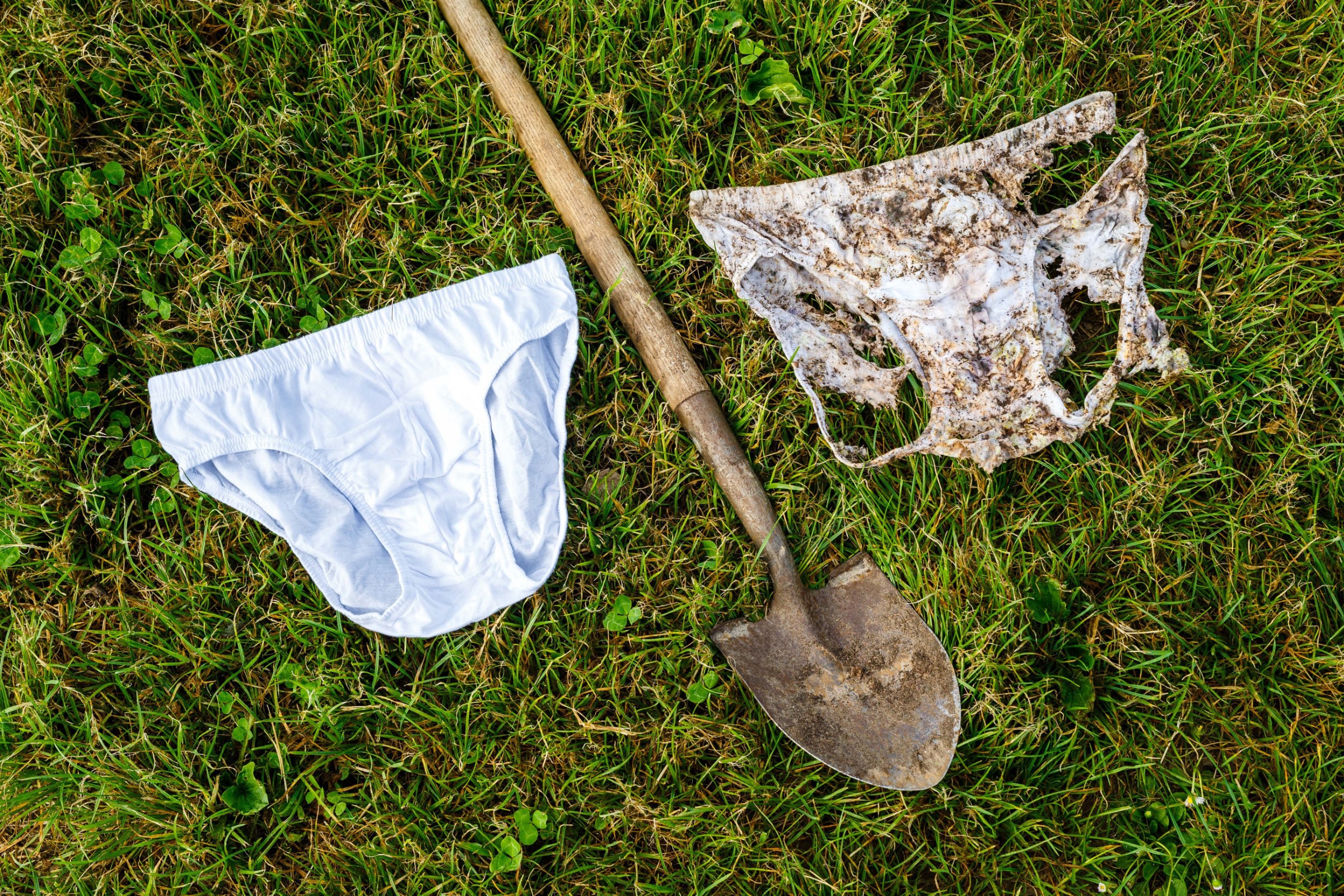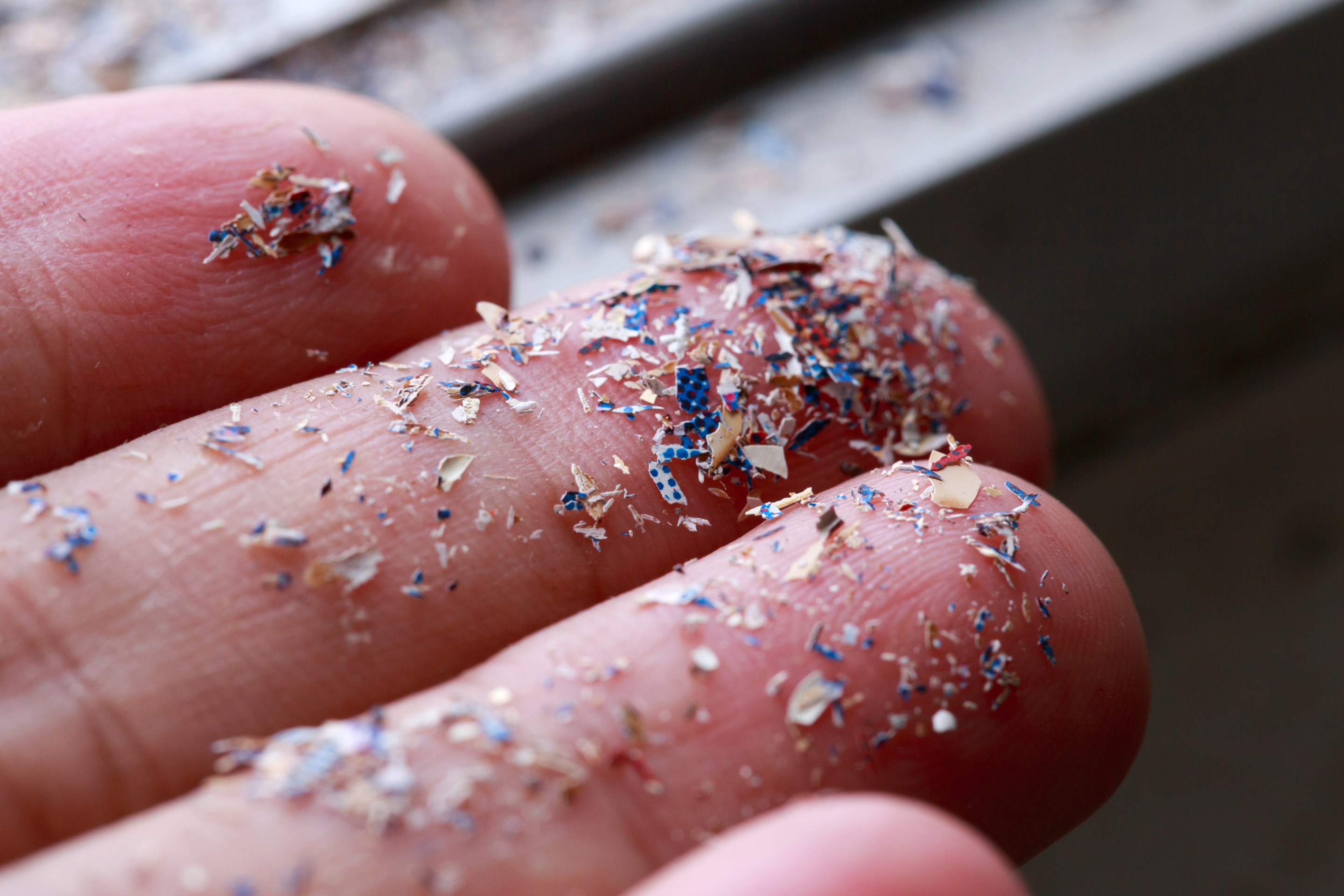
Microplastics are everywhere—even in our own delicate bodies. While plenty of studies have focused on these plastic particles polluting ocean life, what about something closer to home, like our actual homes? A new study published in the Journal of Hazardous Materials Advances is taking a look at how severe the microplastic problem is in our own living rooms.
Health researchers led by a team from Utrecht University in the Netherlands visited 105 Dutch households to conduct surveys about a variety of home behaviors. During a four-month time period, they also collected samples of indoor dust that accumulated in glass containers, hauled them back to the lab, and fired up the pyrolysis-gas chromatography-mass spectrometry machine to find out what lurked inside.
Read more: “Can Humanity Stem the Plastic Tide?”
They found micro- and nanoplastics (MNPs) in every single household. Most of the particles came from polyethylene terephthalate (PET plastic), which is also one of the most common kinds used. Additionally households with more occupants had higher levels of MNPs and the amount of particles rose during autumn and winter months when ventilation decreased and folks spent more time indoors. Window-opening frequency and outdoor air pollution weren’t related to the amount of MNPs, which means the plastic pollution was coming from inside the house.
While all of that might be somewhat expected, they did find some surprises. Vacuuming, for example, didn’t seem to help matters much. In fact, more frequent vacuuming was associated with an increased prevalence of polycarbonate MNPs. According to the researchers, this is likely because the vacuum disturbs the particles, sending them airborne to resettle elsewhere. Vacuuming was more effective with scrubbing polyethylene MNPs, but the researchers say more study is needed to investigate.
So what can you do about microplastics in your home?
For starters, you could get some good air purifiers with HEPA filters. Microplastics range in size from five millimeters to one micron and HEPA filters trap anything larger than 0.3 microns, so they’ll trap some nanoplastics as well. (It probably wouldn’t hurt to spring for a vacuum with a HEPA filter, too.) Laundry machines, which this study didn’t cover, are also notorious MNP sources.
But at the end of the day, minimizing your risk is all you can do. Microplastics are a frustratingly persistent problem, and the effects on our health are still unclear. “Finding micro- and nanoplastics everywhere is concerning, but the real challenge is understanding what this exposure means for health,” study author Roel Vermeulen of Utrecht University said in a statement. “We need to move from documenting the problem to identifying where we can intervene and prevent harm.”
And that’s exactly what the team is doing. They’ve already collected blood and urine samples from all the homes they surveyed, so stay tuned. In the meantime, here are some more steps you can take to limit these pernicious particles in your home. 
Enjoying Nautilus? Subscribe to our free newsletter.
Lead Image: Chayanuphol / Shutterstock