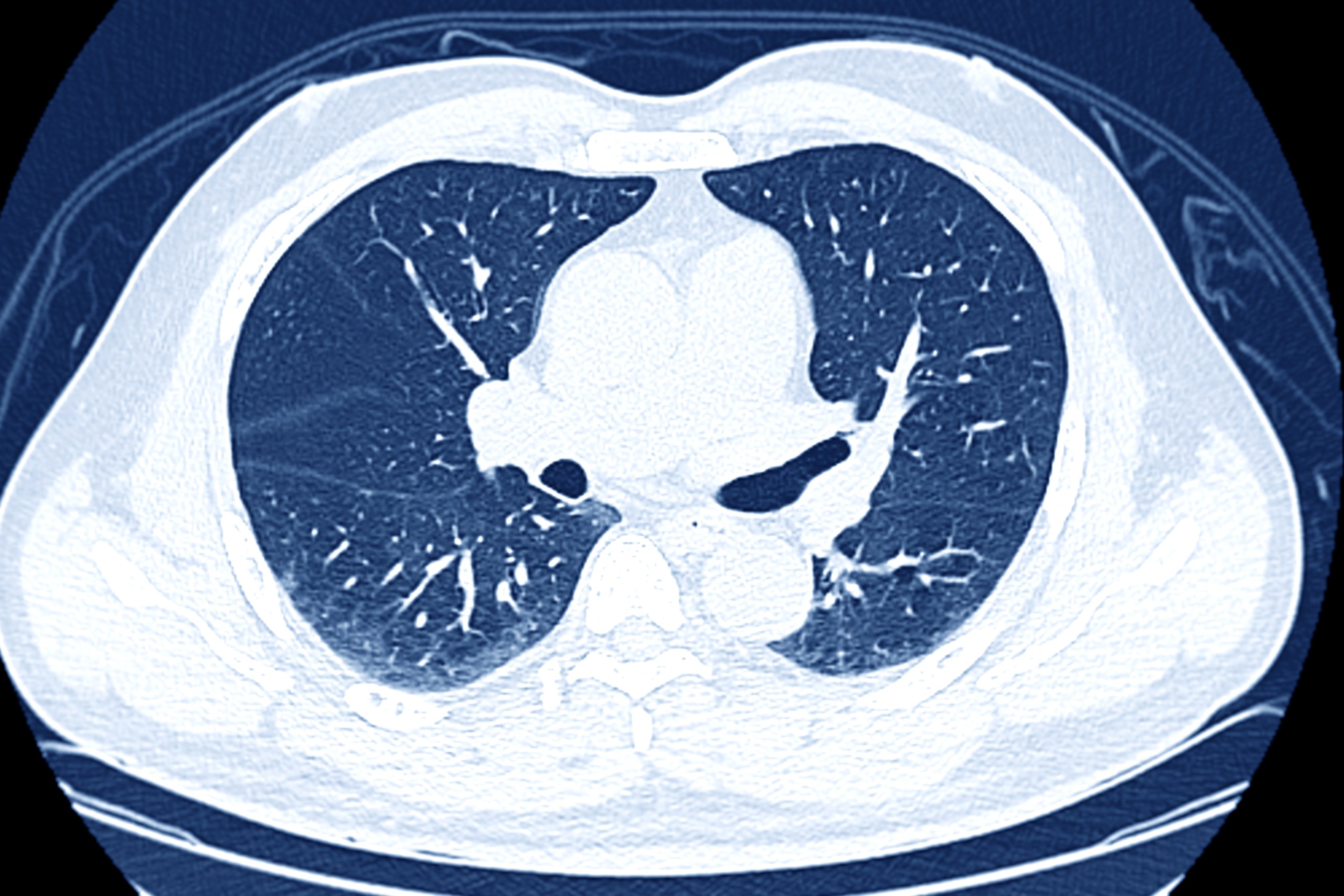
It’s 2026, and scientists are still uncovering new reasons smoking is bad for you. Previous studies investigating links between smoking and neurodegenerative conditions like dementia have focused on vascular and respiratory effects—restricted blood flow to the brain that cuts off the oxygen supply. Now, recent research published in Science Advances identifies a “lung-brain” axis and suggests a nicotine-induced miscommunication between the two organs could be at play.
The previously unmapped pathway involves pulmonary neuroendocrine cells (PNECs), specialized epithelial cells lining the airways that perform triple duty, acting as sensors, releasing neurotransmitters, and secreting hormones. Because these cells are so rare, making up less than 1 percent of lung cells, the team of University of Chicago researchers used stem cells to create their own, called induced pulmonary neuroendocrine cells (iPNECs).
When these iPNECs were exposed to nicotine in the lab, they released tons of exosomes—tiny vesicles that act as intercellular delivery trucks hauling proteins, genetic material, and other organic chemicals. The nicotine-stimulated exosomes were loaded up with serotransferrin, a glycoprotein that transports iron. Nicotine, the researchers found, can disrupt the balance of iron in the brain, which results in a series of negative downstream effects.
Read more: “Alzheimer’s Early Tell”
“This nicotine will have an impact on the PNEC, and this PNEC will release a massive amount of exosomes, and that causes perturbation in terms of iron homeostasis,” study co-author Abhimanyu Thakur explained in a statement. “We are finding neurodegeneration-related markers, which are going up, and which can be linked with many cognitive and dementia-related diseases.”
Importantly, this research shows the disruption of iron homeostasis results from nicotine and not other substances in tobacco smoke. That means vaping, an increasingly popular habit among young people perceived as a healthier alternative to smoking, could be just as risky for developing dementia.
While the study didn’t establish a definitive causal link between nicotine and dementia via this lung-brain axis, it has revealed that the lungs are more active in brain pathology than previously thought. A better understanding of how these organs communicate could lead to better therapies and prevention strategies for dementia, researchers say.
Until then, it’s one more reason to quit smoking—and vaping. 
Enjoying Nautilus? Subscribe to our free newsletter.
Lead image: nasharaga / Adobe Stock