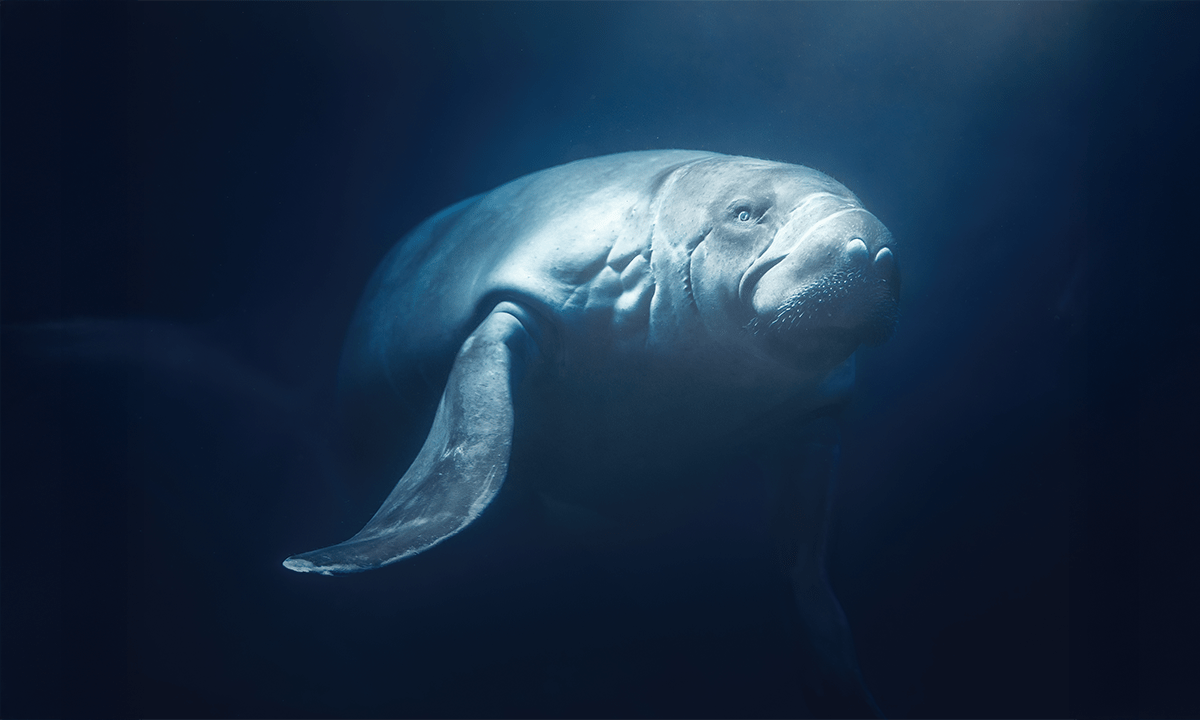
As manatee populations in South Florida are threatened by the weight of human impacts, from motorboat strikes to fishing-gear entanglements, it’s imperative to understand how they might survive coexistence with humans. New research explores how one of their sister species, the Amazonian manatee (Trichechus inunguis), is responding to increased human pressures in the Amazon basin. The study, published today in PLOS One, reveals the sensitivity of Amazonian manatees to human proximity.
In the first study to detect Amazon manatees using environmental DNA (eDNA), a team of researchers from universities in Texas and Brazil mapped their distribution along the Amazon River and its tributaries. Since Amazon manatees are typically spotted only when they surface to breathe, monitoring their presence is a challenge. But DNA is known to persist in flowing water systems for up to 43 hours, so finding eDNA from a particular species is sound evidence that it was recently in the area.
Read more: “We Can Write a Different Ending for Critically Endangered Species”
River water was sampled along a gradient from highly disturbed urban areas to protected ecological reserves. DNA from Amazon manatees turned up in water from eight sites. Six of those were in a less disturbed area, and two were closer to human populations. “Detection of Amazonian manatee DNA was more than three times greater in the western Amazon (Tefé and Mamirauá Sustainable Development Reserve) where human activity is low,” wrote the study authors.
The areas where most of the manatees were detected included both rural and protected conditions. Whether they were absent from other areas that were busy with boat traffic and urban development, or whether they just occurred in lower densities, remains to be determined, since the detectability of eDNA is known to be tied to the density of animals. The study authors pointed out potential sources of error, such as the influence of water temperature, acidity, and river flow on detecting eDNA.
Still, they conclude that “eDNA appears to have good potential to improve accuracy of animal surveys that are a foundation of biodiversity conservation.” Compared to their Florida cousins, information about Amazon manatees is scarce, despite their status as vulnerable and decreasing. 
Enjoying Nautilus? Subscribe to our free newsletter.
Lead image: Diego Grandi / Shutterstock