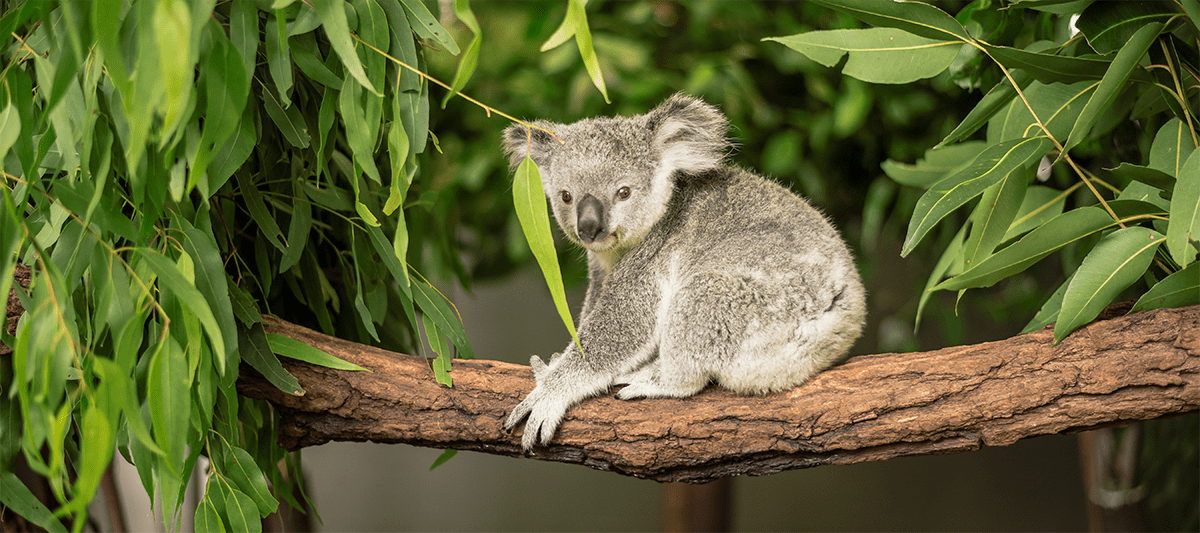
Humans, who migrated to Australia as early as 65,000 years ago, have often been blamed for the decline in many marsupial species. Mammals like giant wombats and short-faced kangaroos disappeared sometime during the Late Pleistocene, which stretched from 120,000 to about 12,000 years ago. Other marsupials, such as koalas, declined precipitously but evaded extinction. The causes of koalas’ precarious state have been heavily debated, with scientific evidence pointing to both human activity and climate change. A new study in the journal Molecular Biology and Evolution, however, suggests that humans should be off the hook—at least for the plight of Late Pleistocene koalas.
Today, koalas (Phascolarctos cinereus) occupy a massive range in eastern Australia, albeit with populations fragmented by human activities. But prior studies of koala genes show that their numbers suffered dramatic contractions during the Pleistocene, with populations experiencing bottlenecks that reduced their genetic diversity. The timing of these genetic bottlenecks can help identify the drivers of koalas’ population contractions.
Read more: “Koalas Recover Genetic Diversity as Populations Expand”
In the new study, researchers extracted genome sequences from 12 koalas (four families of parents and offspring) to determine the precise mutation rate of their DNA. “Our team is generating enormous genomic resources for koalas, but to fully understand what these datasets can tell us, we also need to know how quickly new genetic changes arise in the species,” explained the paper’s lead author Toby Kovacs, a doctoral student in molecular ecology at the University of Sydney, in a press release.
The koala-specific mutation rates were used to model the genetic paths trod by koalas over the last 100 generations. Based on DNA samples of 457 wild koalas from across their modern range (mostly taken during a Koala Genome Survey), the researchers mapped when population contractions occurred. The results showed that koalas began declining about 100,000 years ago—long before humans arrived in Australia. In fact, by 60,000 years ago (when, arguably, humans had recently showed up in Australia), koalas were already in a severe population bottleneck.
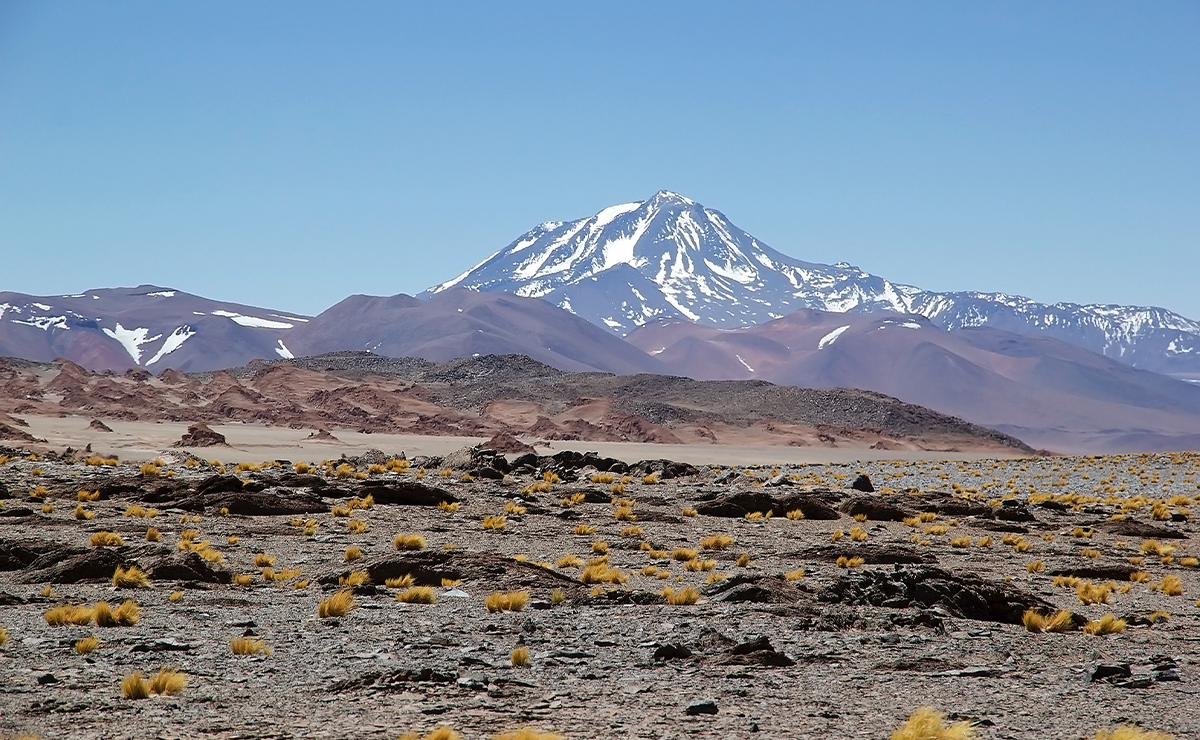
Such data suggest that environmental change, not people, caused the koala population crash. Australia was experiencing dramatic glacial shifts during the last glaciation, with eastern rainforests drying out and becoming shrubby, arid habitats. The nearly treeless Nullarbor Plain took over southern Australia, leaving koalas stranded in remnant woodland habitats. As the glaciers receded, according to the genomic data, koalas regained their footing, diversifying into the five genetically distinct koala populations distributed along Australia’s east coast today.
Essentially, koala populations have been responding to the ebbs and flows of glacier-mediated climate since before humans came to Australia. After the arrival of humans, though, koalas faced a whole new set of challenges. Today, habitat destruction, disease, and catastrophic fires are isolating koala populations and rapidly eroding their genomic diversity.
And so, koalas may yet confront the limits of their resilience to change. 
Enjoying Nautilus? Subscribe to our free newsletter.
Lead image: Rob D Wildlife / Adobe Stock