If you’ve ever taken a biology class, you might remember the principles of Mendelian inheritance (or at least having to illustrate them with Punnett squares). Basically, during sex cell formation, chromosomes segregate, and genes are independently assorted, giving every gamete an equal chance to have a copy of the genes.
For heterozygous individuals—that is, those carrying both a dominant and recessive allele—that means half the gametes will get a dominant copy and half will get a recessive one. Unfortunately, though, not all genes play by the rules.
In fruit flies, for example, there’s a gene called Segregation Distorter (SD) that can rig the system. Fruit flies carrying both a copy of SD and its non-distorting form will produce only SD gametes. How selfish genetic elements like this manage to break the rules has been something of a mystery, but new research published in Nature Communications is revealing one such mechanism.
Read more: “What You Don’t Know About Sperm”
Studying different species of fruit flies with selfish segregation distorting genes, geneticists at the University of Utah discovered that selfish chromosomes can exploit a genetic quality control checkpoint mediated by the Overdrive gene (Ovd). Under normal circumstances, Ovd eliminates damaged or otherwise abnormal sperm cells. But selfish chromosomes are able to hijack the process, using Ovd to eliminate rival sperm cells, which tilts the odds in their favor.
“Overdrive’s normal function is acting as a blocker of bad gametes. When you remove the blocker, then the selfish behavior goes away,” study author Nitin Phadnis explained in a statement. “That doesn’t mean Overdrive is the selfish gene—it’s just being hijacked.”
We’re more accustomed to thinking of “survival of the fittest” as a competition between individuals, but these findings are a good reminder that it can happen between our own genes as well. 
Enjoying Nautilus? Subscribe to our free newsletter.
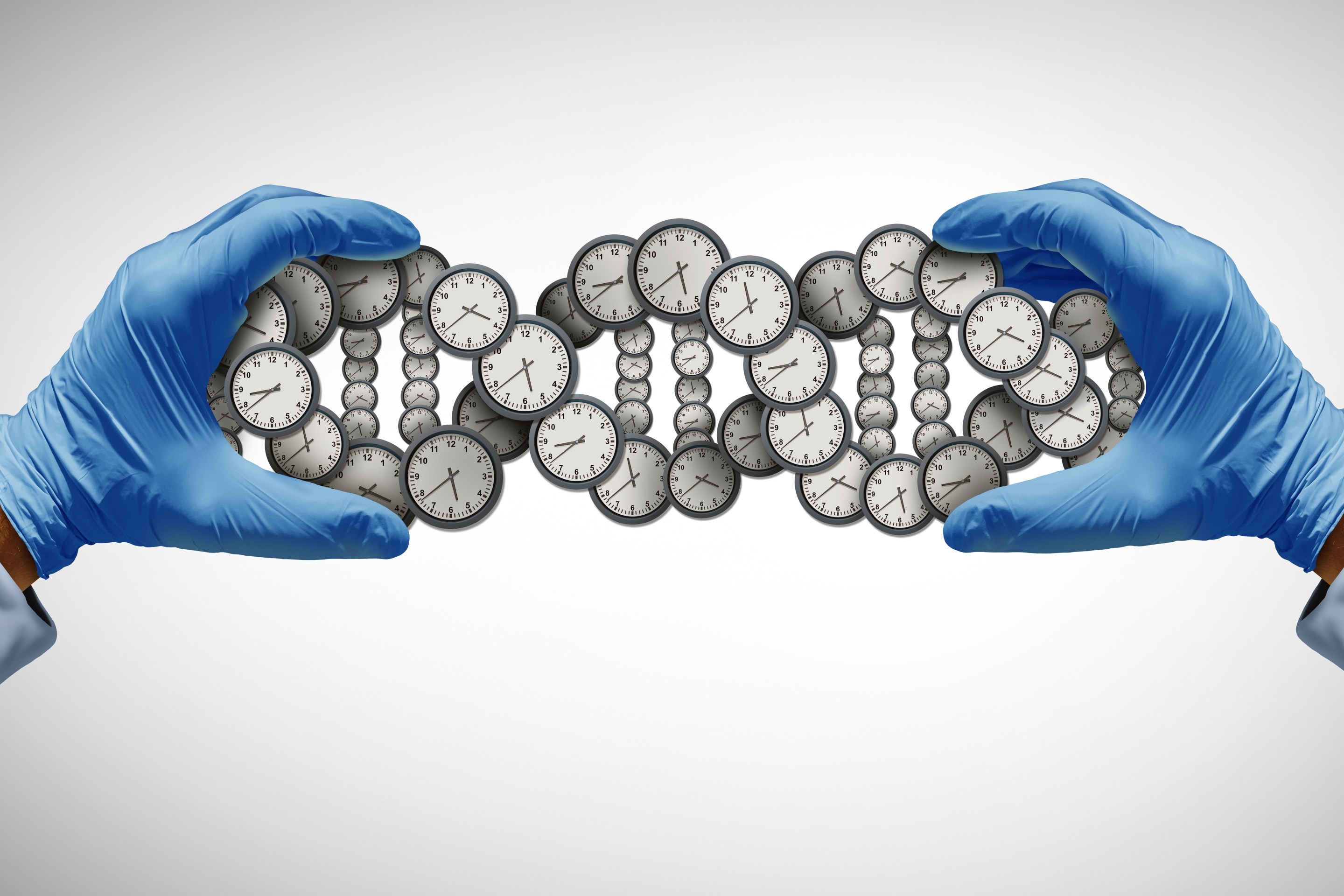
Lead image: Butusova Elena / Shutterstock