When’s the best time to work out? Is it in the morning, to jump-start your day, or in the evening when your body’s warmed up?
It’s a debate that’s usually waged among min-maxing fitness fanatics on a quest to milk every session for all its worth. But it’s also an important question for exercise novices who just want to develop healthy habits, including those at risk for developing cardiovascular disease. While the science on the subject is frustratingly divided, new research published in Open Heart suggests you might be better off deferring to your biological clock.
Researchers from the University of Lahore in Pakistan recruited more than 130 middle-aged participants with at least one risk factor for cardiovascular disease and tasked them with exercising for 40 minutes per week at a time that either matched their natural circadian rhythm, or one that didn’t. Both before, during, and after the 12-week plan, the team monitored a variety of health metrics including heart rate, blood pressure, sleep quality, and more.
Read more: “Exercise Is Great for Our Brains, Too, Right?”
While the cardiovascular disease risk factors for both groups improved after three months of exercise (no surprise there), those who worked out at the “right” time showed even greater progress. Their scores for blood pressure, heart rate, aerobic capacity, and more were markedly better than the group forced to fight their biological clocks, with sleep quality and systolic blood pressure showing the most dramatic improvements. Additionally, the effects were larger for early risers working out in the morning than for night owls working out in the evening.
As for why, your biological clock isn’t entirely a top-down system of circadian control. Other organs, tissues, and cells—including those involved in workouts—have their own timekeepers as well. “Aligning exercise with chronotype may entrain peripheral clocks in skeletal muscle, adipose tissue, and vasculature more effectively, enhancing metabolic efficiency and reducing inflammation, both critical factors in cardiometabolic health,” the researchers wrote.
So if you’re interested in becoming more active, listen to your body—unless, of course, it’s telling you to stay on the couch. 
Enjoying Nautilus? Subscribe to our free newsletter.
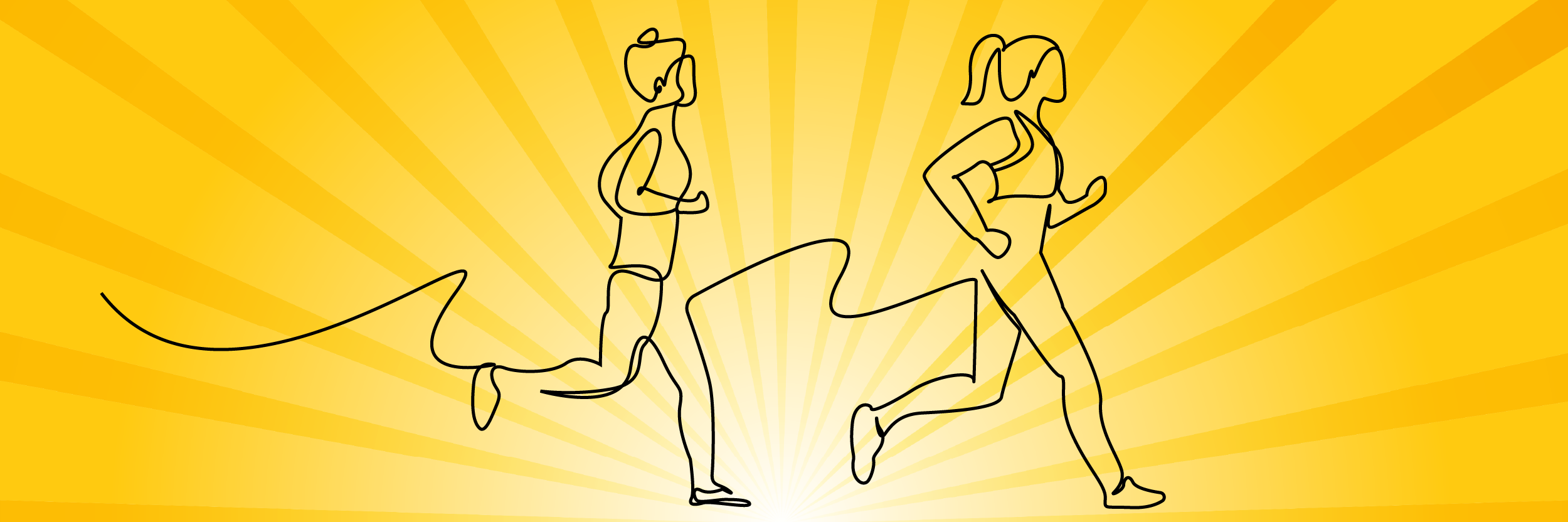
Lead image: Alex and Ali / Adobe Stock