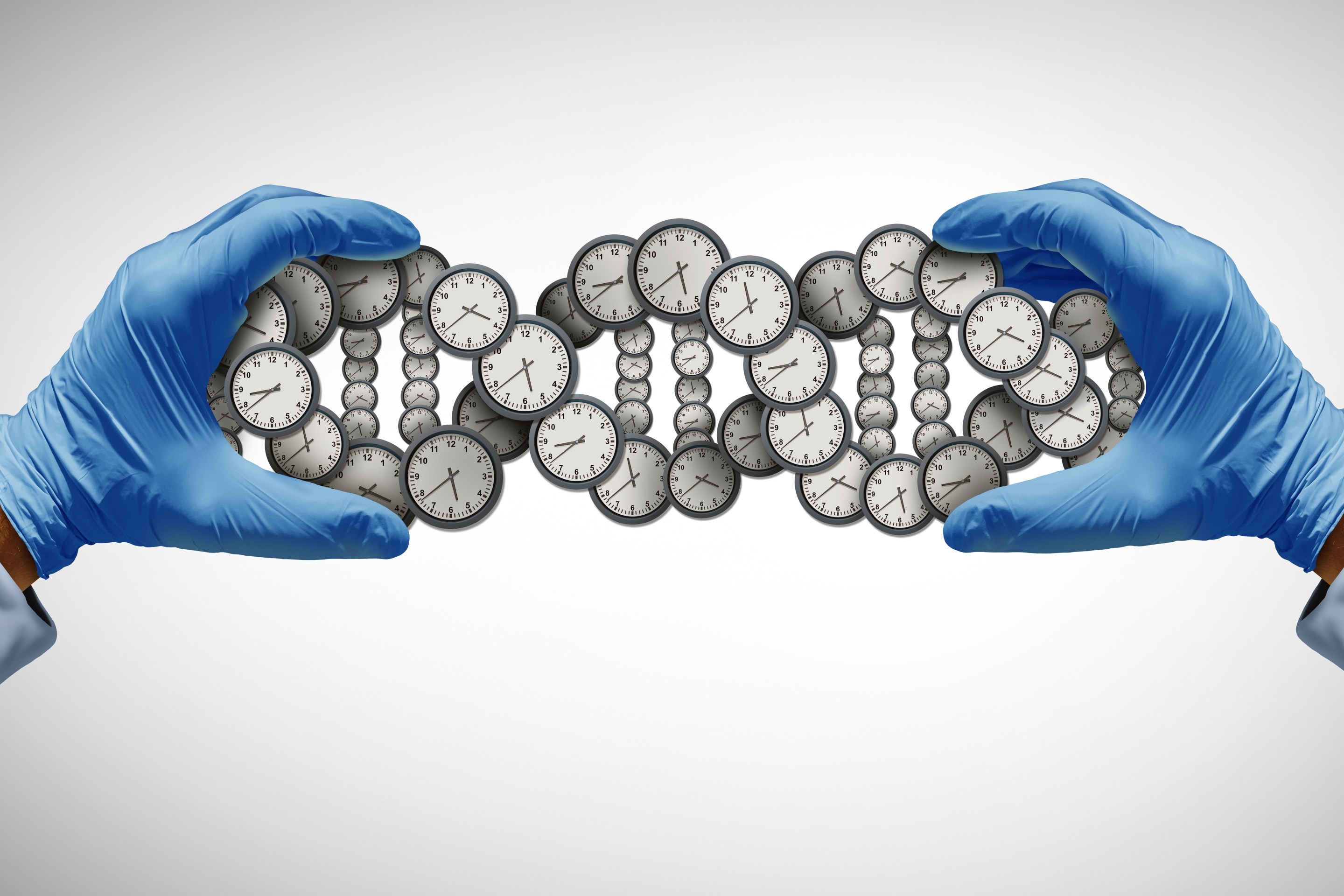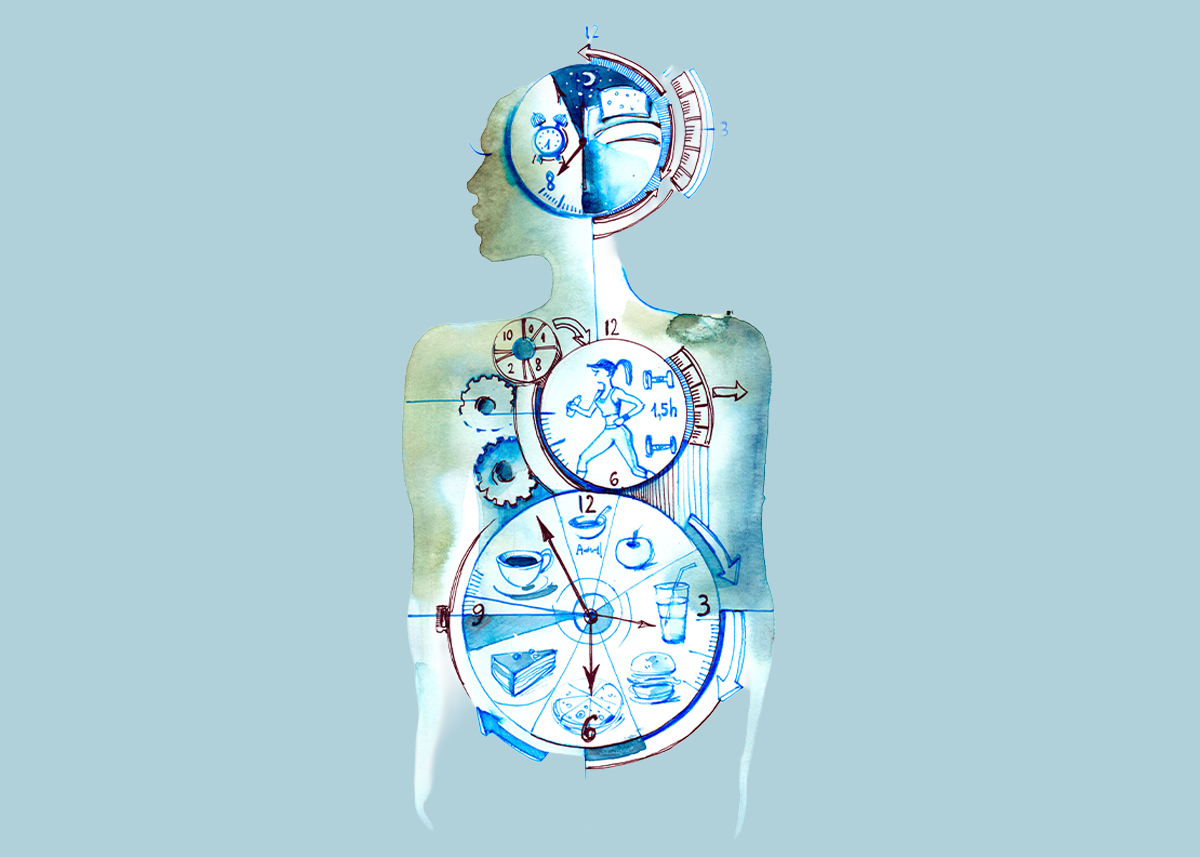
It seems like every week there’s a new diet, exercise, or supplement that promises to extend our lives, but how much of our mortality is really in our control? And how much are we at the mercy of our genes?
In the ongoing effort to determine just how much of who we are is preordained by our genetic code, heritability, a statistical measurement of how much variation in a trait can be attributed to genetic variation, is king. It’s also become a bit of a thorny topic.
Because of a number of confounding variables, getting an accurate measure of the heritability of the human lifespan is challenging. Previous attempts to suss it out have yielded bewilderingly low estimates, with around 20 to 25 percent of the variation explained by genetics. (For comparison, measurements of lifespan heritability in laboratory mice are much higher, around 38 to 50 percent.) Research published today in Science shows that heritability in the human lifespan is double past estimates—up to 55 percent.
Read more: “Heredity Beyond the Gene”
The reason for the discrepancy has to do with math. The deceptively simple equation for heritability is the additive genetic variation of a given trait divided by the phenotypic variation of the trait. That means that as phenotypic variation increases, heritability goes down. For a trait like longevity, there are obviously quite a few things totally unrelated to genetics that could influence lifespan—for example, a piano falling on someone’s head.
To get a more accurate measure of the heritability of longevity, Ben Shenhar and his colleagues at the Weizmann Institute of Science examined data from twin and sibling studies. They then accounted for deaths due to external factors like homicides, infectious diseases, environmental hazards, and accidents like the random falling piano. By narrowing their focus only to diseases related to aging, genetic mutations, and general biological decline, they arrived at a much higher heritability.
Still, while this estimate tells us how much of our mortality is caused by genetics, it doesn’t tell us which genes are responsible. But researchers hope that it will pave the way to identifying the genes responsible for our inevitable decline. 
Enjoying Nautilus? Subscribe to our free newsletter.
Lead image: Ilya Lukichev / Shutterstock