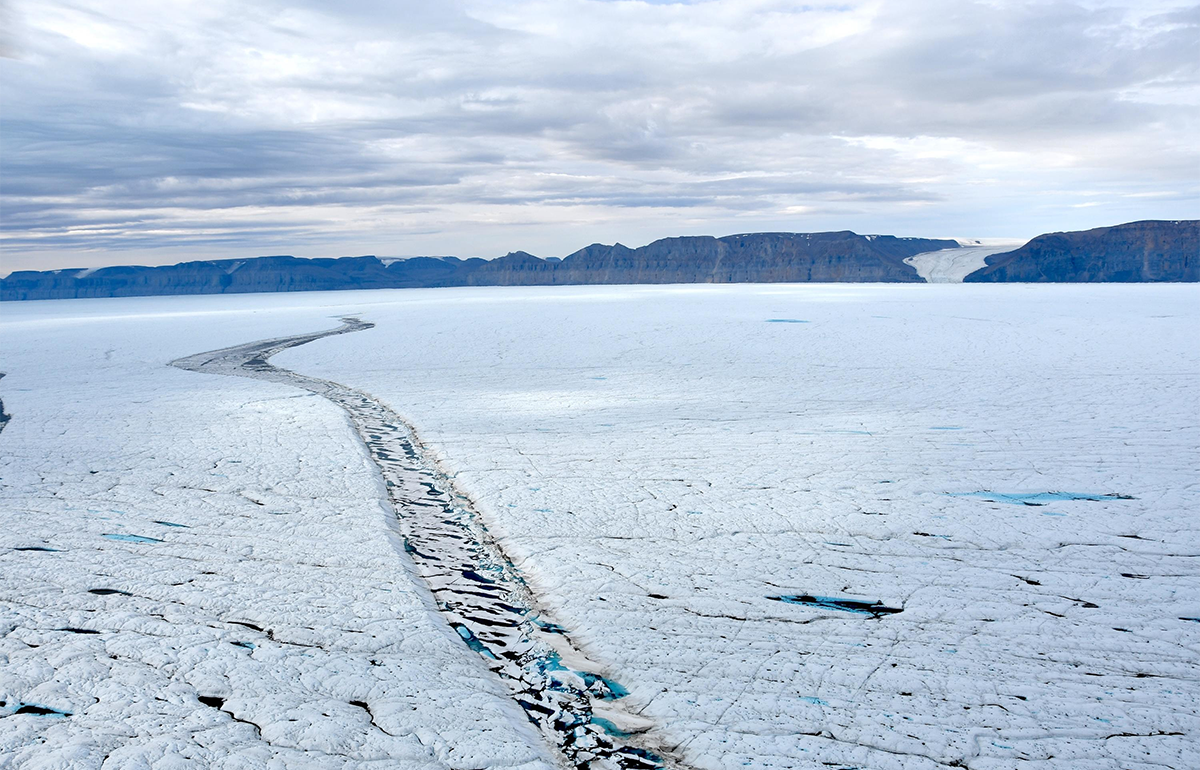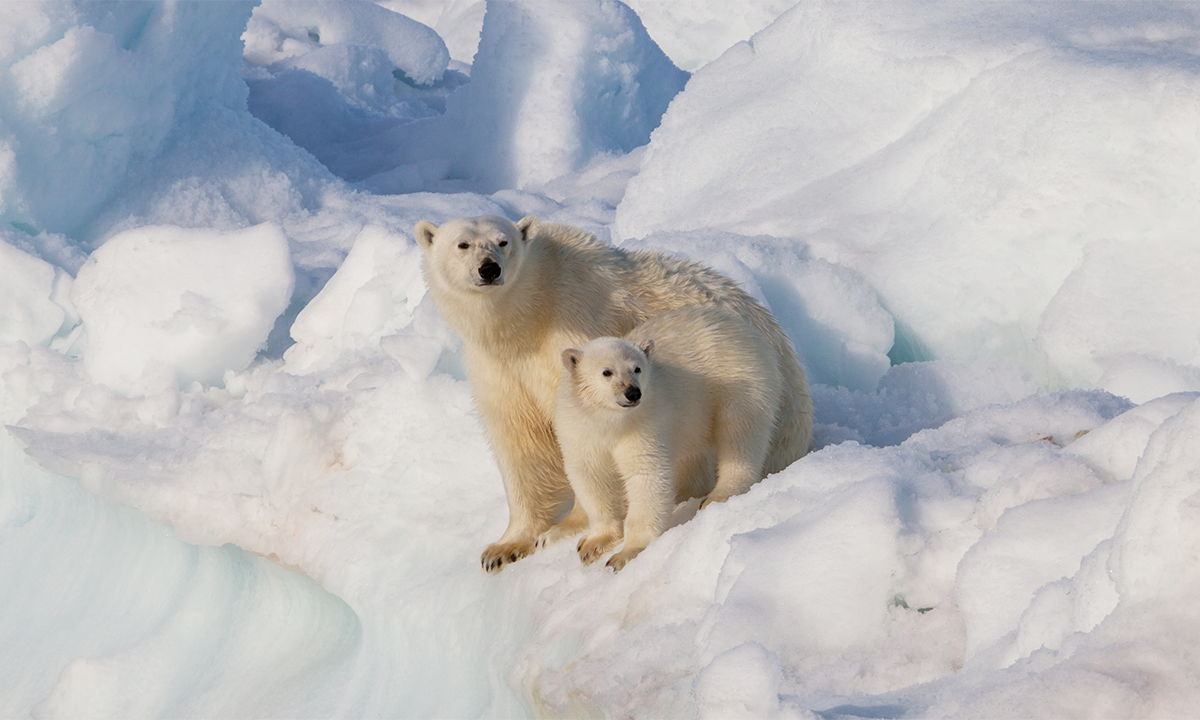
Average temperatures are climbing around the globe, with particularly severe swings in the Arctic—this region has heated up nearly four times quicker than the rest of the world over the past few decades. Polar bears depend on the ice there to survive, and more than two-thirds of the species are estimated to become extinct by 2050.
Now, scientists have noticed that surging temperatures might be changing polar bears’ DNA—this may represent the first solid evidence tying climate change to genetic shifts in a wild mammal.
A team from the University of East Anglia in the United Kingdom studied blood samples taken from 17 adult polar bears living in Greenland. This sample included 12 from the northeastern region and five from the southeastern region, an isolated population that migrated there around 200 years ago. Over the past six decades, northeastern Greenland experienced colder, more stable temperatures, while the southeast tended to be warmer, with more fluctuations. Southeastern Greenland has also lost more ice, offering a preview of what more polar bears will likely experience in the future.
Read more: “A Strange New Gene Pool of Animals Is Brewing in the Arctic”
These differences enabled the researchers to better grasp how polar bears respond to varying environmental stressors. They found that certain genes associated with aging, heat-stress, and metabolism “are behaving differently in the southeast population of polar bears,” lead study author and molecular biologist Alice Godden wrote for The Conversation. “This suggests they might be adjusting to their warmer conditions.” These observations were reported in the journal Mobile DNA.
Godden and her co-authors looked specifically at the polar bears’ “jumping genes,” also called transposons, which she explained are “mobile pieces of the genome that can move around and influence how other genes work.” Such shifts can help animals adapt to new surroundings. In the southeast, the warmer climate seems to have sent these jumping genes into a flurry of activity throughout the polar bear’s genome relatively recently.
The findings also point to a new menu for polar bears in the southeast. Changes in parts of the polar bear genome associated with fat processing might mean that they’re adapting to eating plants in the southeast of Greenland, while their northern relatives tend to mostly munch on fatty seals.
“We cannot be complacent, this offers some hope but does not mean that polar bears are at any less risk of extinction,” Godden told The Guardian. “We still need to be doing everything we can to reduce global carbon emissions and slow temperature increases.”
Future research should examine all other polar bear populations, the authors noted. This can inform conservation efforts by pinpointing the most vulnerable groups—an important task as their Arctic home continues to warm. 
Enjoying Nautilus? Subscribe to our free newsletter.
Lead image: AWeith / Wikimedia Commons