As humans, we value rational decision-making in which we resist impulses to make better decisions. This “inhibitory control” is also found in other primates and some birds. Such ability to self-regulate is not, however, known in elephants. Will an elephant, for example, grab a proffered banana even if it means missing out on a better meal later on?
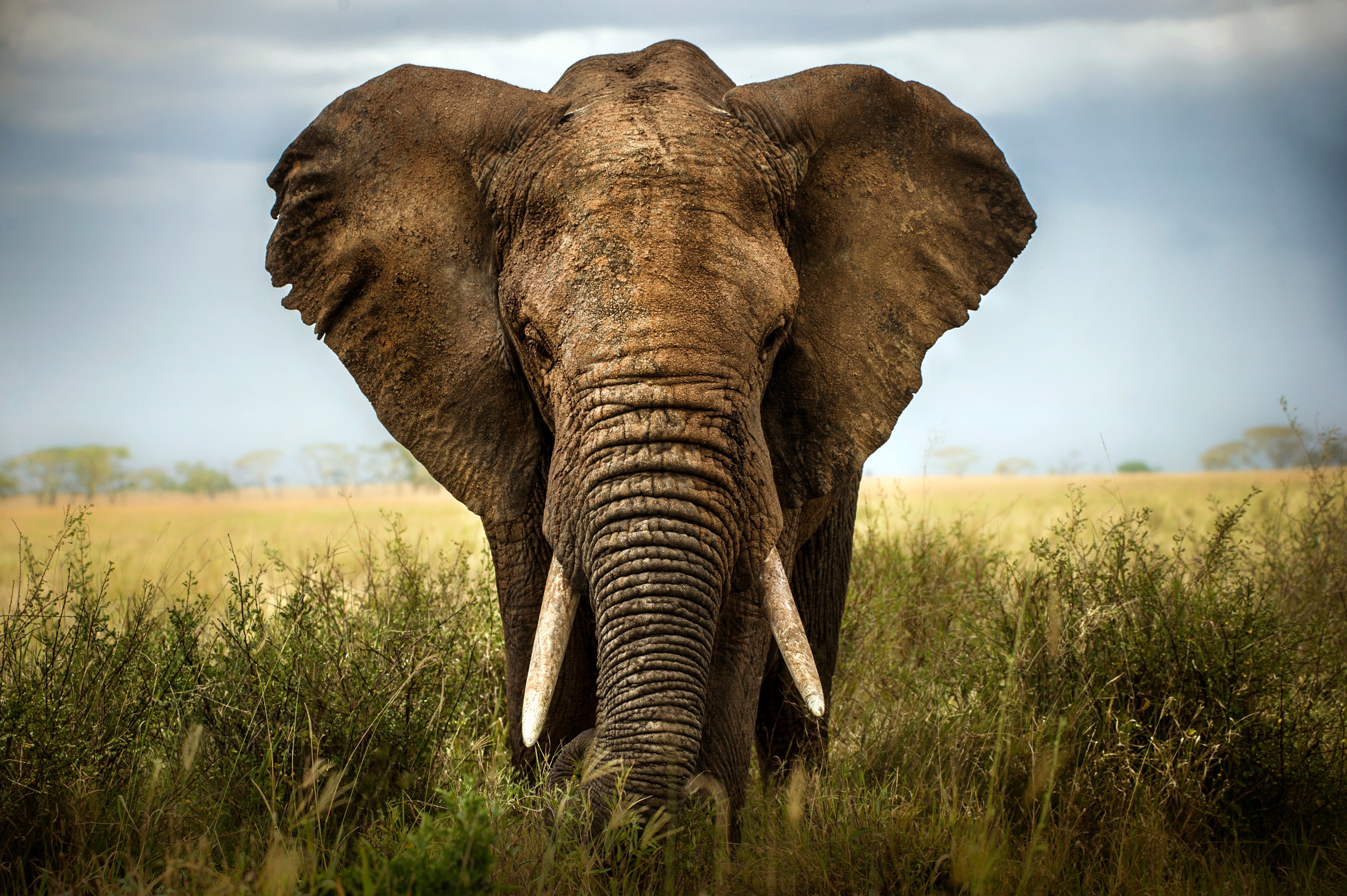
In a study published today in the journal PLOS One, a team of researchers from Thailand and the U.S. studied impulse control in Asian elephants (Elephas maximus). In particular, they presented a problem-solving task to 16 elephants (eight males and eight females), housed at the National Elephant Institute in Thailand.
Read more: “How Hannibal’s War Elephants Helped to Determine His Route Through the Alps”
First, the elephants were trained to reach with their trunks around a black plastic box to pull a favored fruit out of an opening on the back (either pineapple, apple, or banana, depending on the individual elephant). Next, the elephants were presented with a transparent box that had small front-facing holes, too small to reach through but large enough for the fruit odors to waft out. To access the fruit, they’d still need to reach around the back.
You’d expect an impulsive elephant to try to grab the visible, fragrant fruit from the front. Instead, all the elephants reached around the box, just as they had on the black training box. Even when the orientation of the box was changed, such that the accessible opening was upward or to one side, elephants uncovered the fruit in less than a minute.
“We found that, when elephants were faced with a situation where they needed to suppress an impulsive behavior—either the impulse to reach directly toward a food reward behind a transparent and perforated barrier, or the impulse to continue using a previously (but no longer) effective technique—they were generally able to suppress the impulse,” said the study authors in a press release.
That said, older elephants were slower at adjusting to new orientations of the box, which may indicate an age-related limitation such as cognitive decline. The study authors wrote that “this is consistent with studies in other species that have found inhibitory control declines with age.”
But overall, they seemed more than capable of adhering to one of the oldest lessons in the book: to think before acting. 
Enjoying Nautilus? Subscribe to our free newsletter.
Lead Image: Zanarinilara / Adobe Stock