To view the video, click the “play” icon above.
When I first flew over Mozambique’s Gorongosa National Park in March, 2004, I saw a lush, Eden-like landscape. But I couldn’t pick out a single animal.
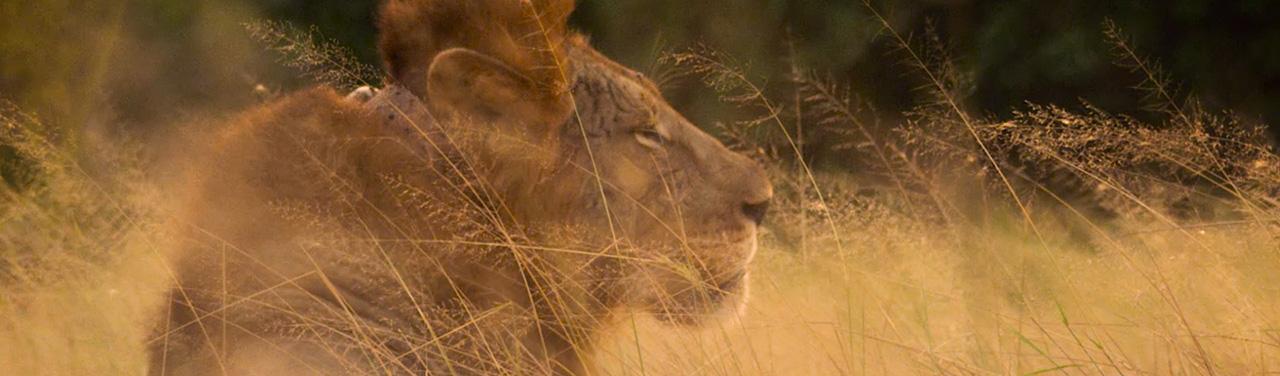
In the 1960s, the park’s large fauna population was one of the densest and most diverse in Africa, earning Gorongosa the slogan “The place where Noah left the Ark.” Tragically, poachers killed more than 90 percent of these animals during three decades of war, which ended in the early 1990s. The result was the empty landscape I saw from the helicopter.
We landed at what remained of the main camp, and amazingly enough there was a guestbook there from 20 or 30 years ago. I added an entry, “This could be a magnificent park again, it just needs a little help!”
As a philanthropist, I had been invited to Mozambique to help with economic development. I realized that Gorongosa was an opportunity: By restoring the park’s wildlife, Mozambicans could grow their economy through ecotourism and conservation science.
So, in 2008, my foundation signed a 20-year agreement with the country’s government to protect and co-manage the park. It has since become a million-acre ecological laboratory—a model of conservation that will allow humans to preserve and benefit from the planet’s vital ecosystems for decades to come.
This video takes us there.
View Video
Video produced by Day’s Edge Productions and the Howard Hughes Medical Institute as part of its “Think Like a Scientist” series for Nautilus.
To hear more about Gorongosa and Carr’s story, check out our video interview with him.
PBS is premiering a six-part series on Gorongosa called Gorongosa Park: Rebirth of Paradise on September 22nd.