Amanda Phingbodhipakkiya, a former neuroscientist-turned-designer, wants to galvanize us to safeguard science. Her solution? Put a human face on it. “To encourage the next generation of young minds to take on tomorrow’s challenges and opportunities,” she says, “we should celebrate that our world was built not just by men, but by brilliant women of all backgrounds.”
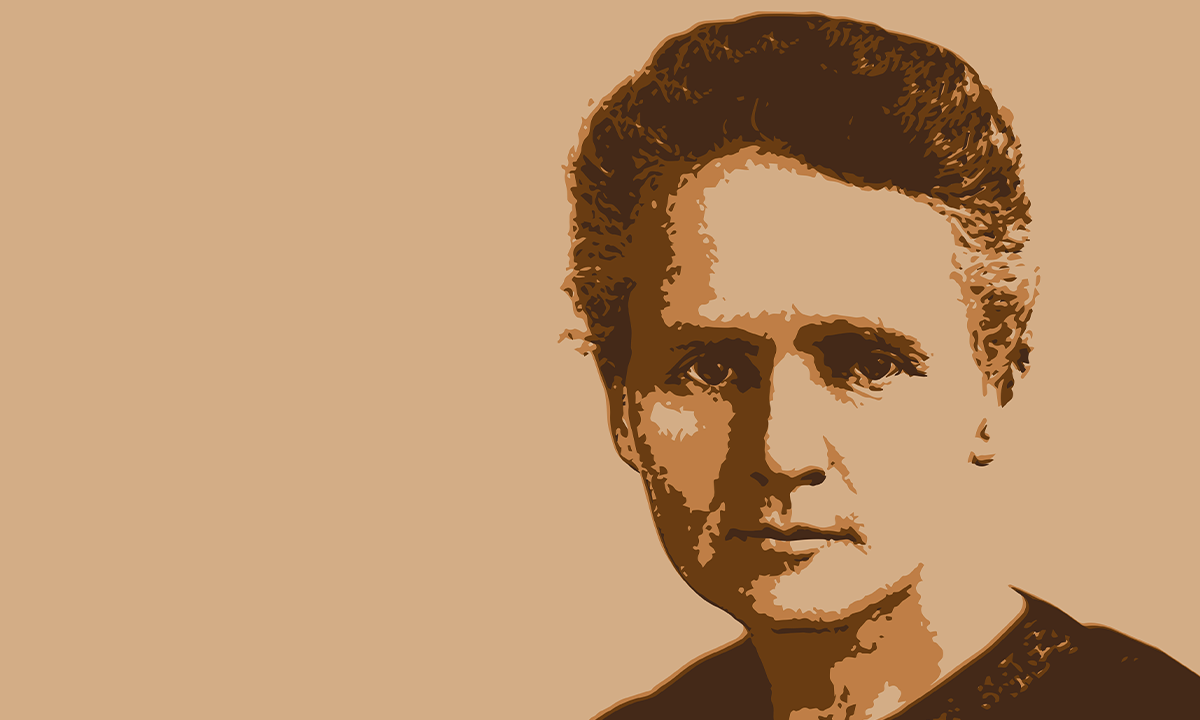
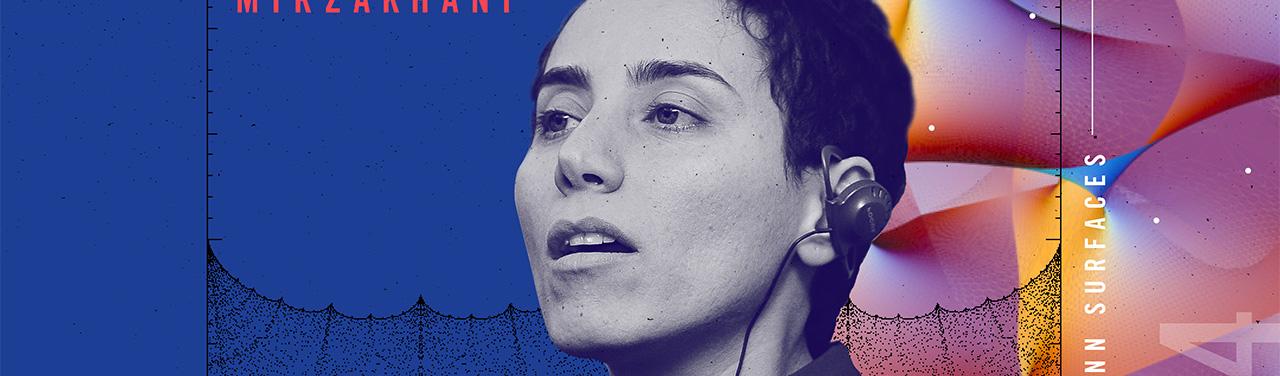
And so, in honor of women’s history month, she created a series of 32 posters drawing attention to a few remarkable women scientists. Her project, called “Beyond Curie,” pairs photos of each scientist along with typography and graphic elements, highlighting the women and their scientific contributions.
—Regan Penaluna
May Britt Moser
A Norwegian psychologist and neuroscientist, she won the 2014 Nobel Prize for her discovery of grid cells and other neurons that serve as part of the brain’s mechanism for representing space. Her work laid the foundation for research into the cognitive and spatial deficits associated with neurological conditions such as Alzheimer’s disease.
Youyou Tu
A Chinese pharmacologist who won the Nobel Prize in 2015 for her discovery of artemisinin, a compound used to treat malaria, isolated from the sweet wormwood plant often found in traditional Chinese medicine. When others wanted to abandon the research, she found a solution in a millennia-old Chinese recipe—even first trying the drug on herself.1
Linda Buck
An American biologist whose landmark paper published in 1991 described how hundreds of genes code for the odorant sensors located in the olfactory neurons of our noses. In 2004 she won the Nobel Prize in Physiology or Medicine for her work.
Mae Jemison
On Sept. 12, 1992, she flew into space on the shuttle Endeavour for mission STS-47, becoming the first black woman to travel into space. While on board, she conducted scientific experiments exploring weightlessness, motion sickness, and bone cells.
Maryam Mirzakhani
This pioneer made mathematics history on Aug. 12, 2014 when she became both the first woman and Iranian honored with the Fields Medal, the most prestigious award in mathematics. Her research has implications for many fields, including engineering and theoretical physics as it applies to the origin of the universe.
Françoise Barré-Sinoussi
A French virologist who discovered the human immunodeficiency virus (HIV) in 1983, which led to the identification of HIV as the cause of AIDS. In 2008, she won the Nobel Prize in Physiology or Medicine for this discovery, which has been fundamental to improving treatment for AIDS patients.
Rita Levi-Montalcini
An Italian neurobiologist whose academic work was interrupted by Mussolini’s 1938 ban on Jews from participating in academia, she set up a laboratory in her bedroom to continue her research. In 1946, she was granted a fellowship at Washington University where she replicated her earlier work, and eventually won the Nobel Prize for her discovery of nerve growth factor.
Amanda Phingbodhipakkiya is the creator of Beyond Curie, a design project highlighting the rich history of women kicking-ass in STEM fields and the founder and CEO of The Leading Strand.