Not a bad little Sunday if you’re a Neanderthal living on the Iberian peninsula about 80,000 years ago: Do a little painting on that cave wall you’ve been meaning to spruce up, and then take the kids for a walk on the beach. We now know this completely imaginary itinerary could well have played out millennia ago, thanks to a slew of Neanderthal discoveries in Spain, France, and Portugal.
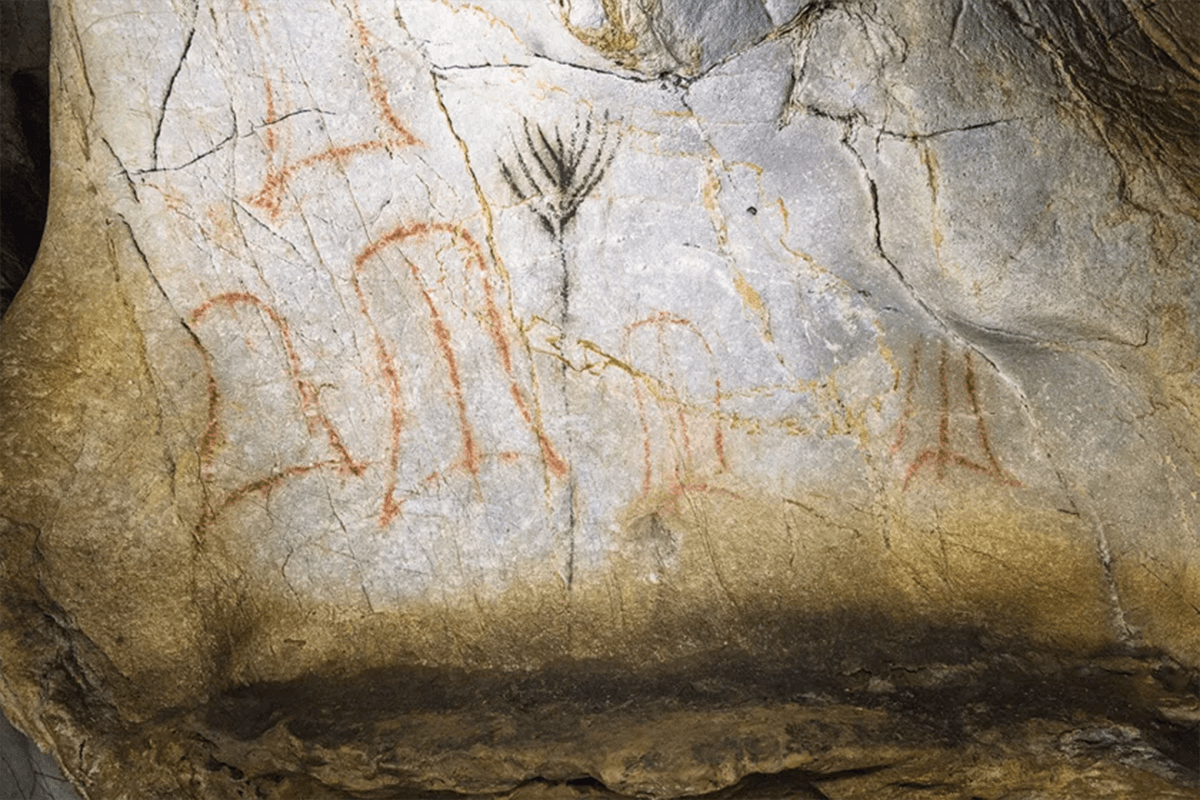
Neanderthals are typically considered to be an ancient hominin species that is less artistically inclined than others—though they did bust out the crayons on occasion. But researchers working in three Spanish caves uncovered art that they suggest indicates “much richer symbolic behavior than previously assumed.” The Spanish caves housed works containing geometric shapes, stencils of hands, and linear forms that, according to the scientists, were at least 64,000 years old. They published their findings in Science in 2018.
Read more: “Our Neanderthal Complex”
Another group of scientists studying a French cave found lines and finger mark engravings, “unambiguous examples of Neanderthal abstract design.” Their dating methods suggested that the marks were made more than 57,000 years ago. That team detailed their discoveries in a PLOS One paper in 2023.
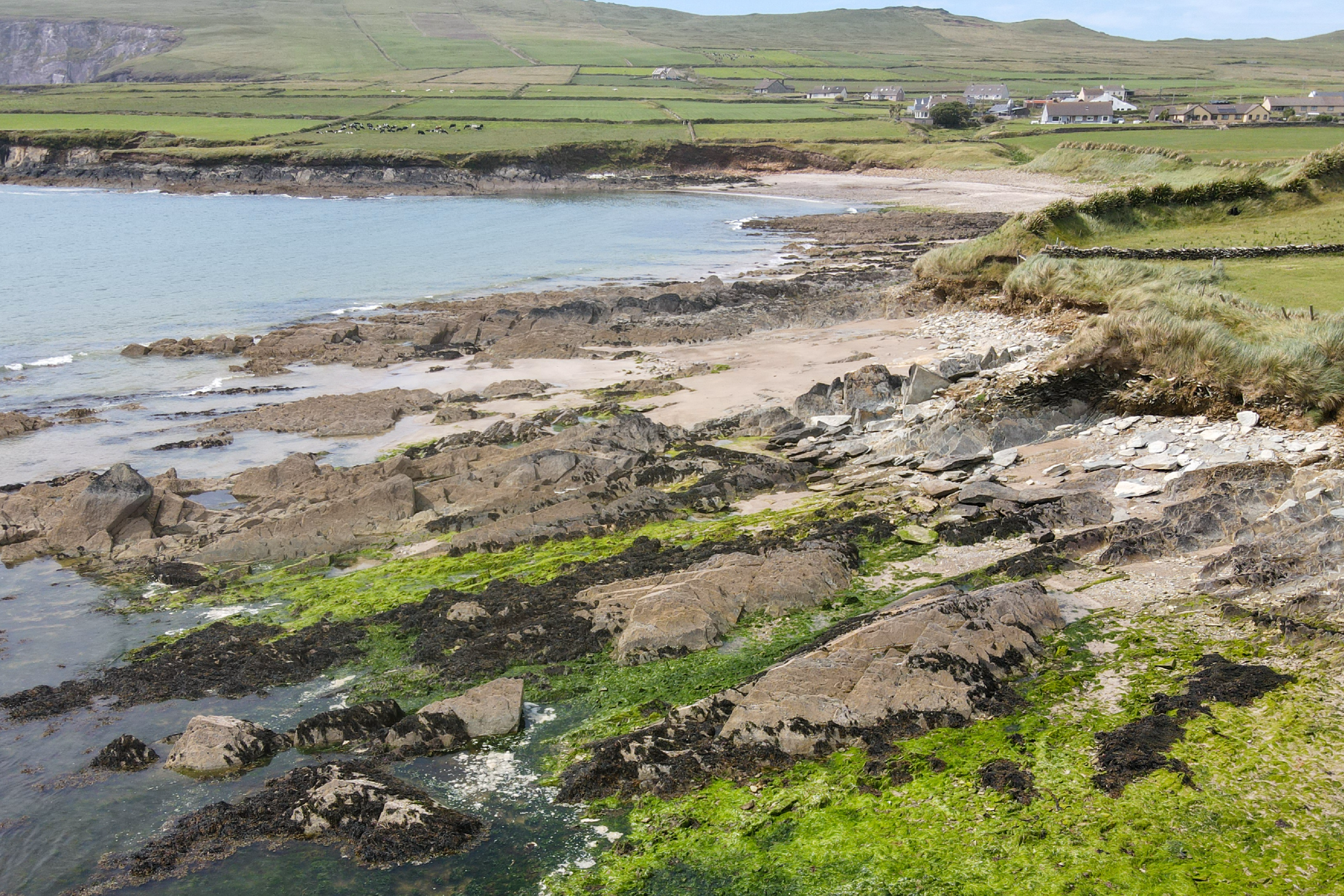
And researchers working in Portugal recently reported finding fossilized footprints in coastal Portugal, the first such trackways discovered in the country, and dated them at between 78,000 and 82,000 years old. At one of the sites, they noted footprints that were likely left by adults and young kids on what was once a coastal dune. They published those findings in Scientific Reports just last week.
It’s endlessly exciting that the lives of an extinct human species comes into increasing focus based on continually emerging clues from the shadows of subterranean spaces and from the land where they trod. Even though modern humans retain traces of Neanderthal DNA in our genomes, science helps us learn more about our ancient cousins with each new discovery. 
Enjoying Nautilus? Subscribe to our free newsletter.
Lead image: WH_Pics / Shutterstock